
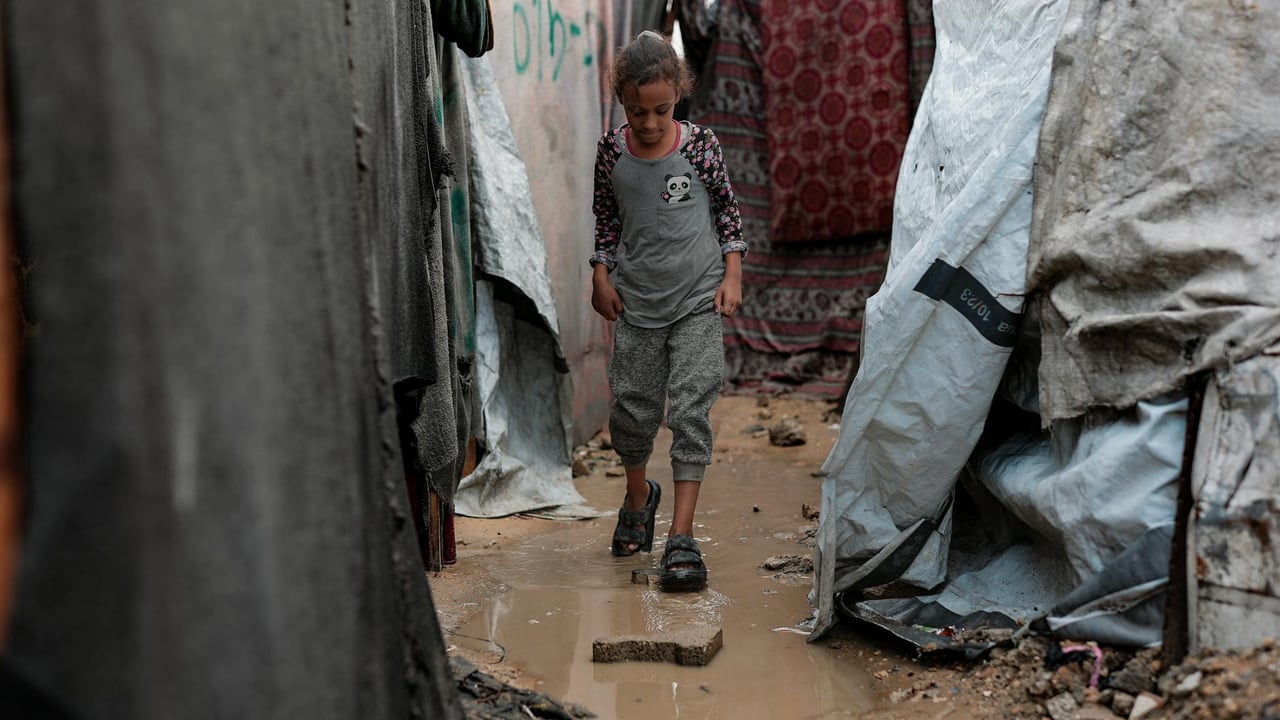

For the workers of the Gaza Strip, International Labor Day has ceased to be a celebration of workers' rights and has instead become a grim marker of their absence. In a region where the economy has effectively been pulverized by years of sustained conflict, the dignity of work has been replaced by the desperation of survival. Recent data indicates that approximately 80% of the labor force is currently without a source of income, leaving a once-industrious population in a state of enforced idleness.
At the intersections of Gaza City, men like Mahmoud Jarusha gather in the dust at dawn, not for scheduled shifts, but for the slim chance of manual labor. Jarusha, a porter, waits for hours beside a rusted cart, hoping to earn enough for a single meal. His reality is a microcosm of a broader societal collapse where the formal economy has vanished, leaving only a primitive, subsistence-level struggle for daily calories.
The crisis has spared no one, including the educated elite who represent the territory’s lost potential. Fida Abed, a 2014 information technology graduate, once managed a small business before the 2023 escalation forced his family into a tent. Today, he partners with others to sell nuts on the street, a venture that barely survives in a market where potential customers have no purchasing power. This de-skilling of the workforce marks a tragic reversal of decades of educational investment.
According to the International Labor Organization and the World Bank, the structural foundations of Gaza’s economy—approximately 70% to 80% of its industrial facilities, shops, and workshops—now lie in ruins. Even during periods of relative calm, the absence of electricity, clean water, and imported raw materials like cement makes any meaningful production impossible. The economy has not just slowed; it has been fundamentally dismantled, shrinking by at least 80% since the onset of the latest conflict.
By mid-2026, the humanitarian reality has reached a staggering milestone: 100% of the population is classified as being in need of aid. With 95% of residents entirely dependent on international relief and cash assistance for survival, Gaza has become a ward of the international community. The poverty rate has surged past 90%, reflecting a total evaporation of private wealth and livelihood.
The path to recovery is obstructed by tens of millions of tons of debris that may take up to five years just to clear. Until this rubble is removed, large-scale reconstruction remains a logistical impossibility. Current assessments suggest that even with a sustained peace, it will take decades for Gaza's economic output to return to its pre-war levels, leaving a generation trapped in a cycle of dependency.