Tokyo’s Reach: China Decries Japan’s Pivot to Offensive Missile Capabilities

China has expressed deep concern over Japan’s overseas testing of offensive missile systems, framing it as a violation of Tokyo’s pacifist commitments. The move highlights a significant shift in Japan’s defense posture toward counterstrike capabilities amid rising regional tensions.

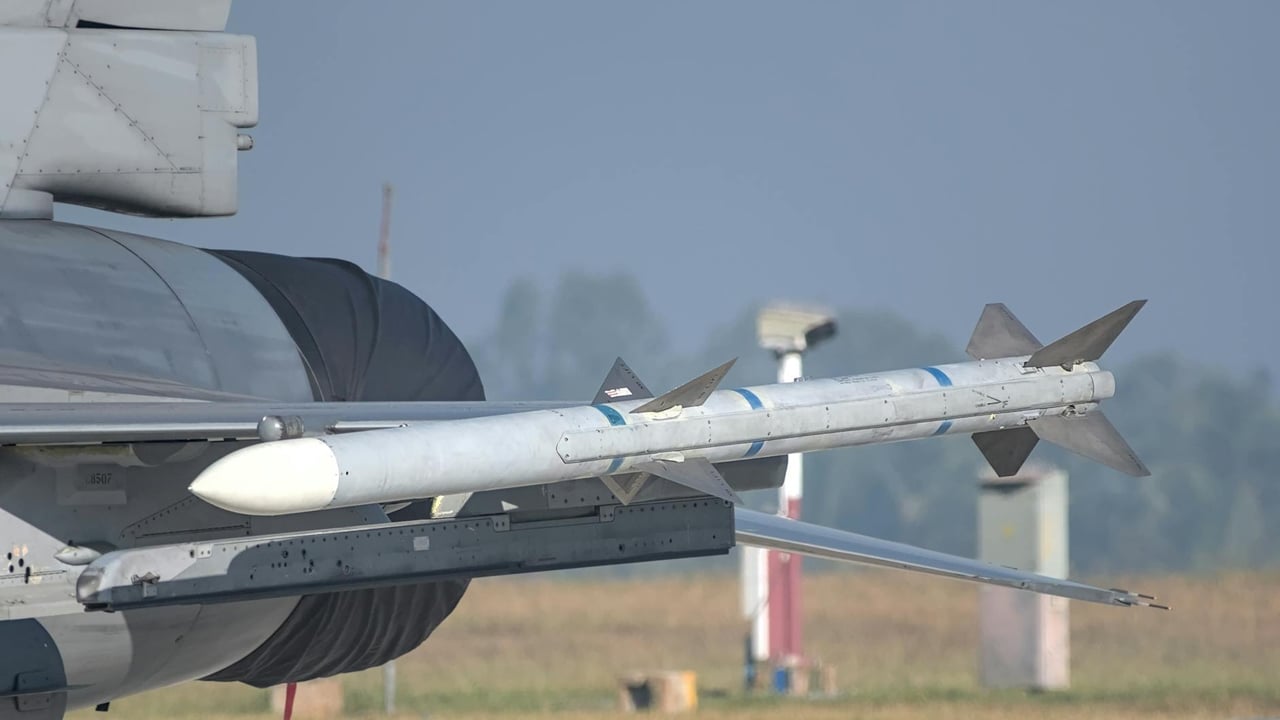
Close-up of a missile mounted on a military aircraft wing at an airshow in Bengaluru, India.

Key Takeaways

  • 1Beijing officially protested Japan's testing of 'offensive' missiles on foreign soil, citing a breach of pacifist principles.
  • 2Japan is transitioning from a purely defensive posture to a 'counterstrike' capability to address regional security threats.
  • 3Overseas testing sites, such as those in Australia or Hawaii, reflect deepening security alliances between Tokyo and its Western partners.
  • 4China interprets these military advancements as part of a broader U.S.-led containment strategy in the Indo-Pacific.

Editor's
Desk

Strategic Analysis

Japan’s pivot to 'counterstrike' capability marks the definitive end of its post-war strategic passivity. While Tokyo frames these missile tests as necessary for deterrence against a changing power balance, Beijing sees them as a direct challenge to its regional hegemony. The use of overseas test sites is a pragmatic solution to Japan’s geographic constraints, but it also serves as a potent symbol of a globalized security network—connecting Japanese defense directly to American and Australian infrastructure—which is exactly the type of integrated deterrence that the Chinese leadership fears most. This development suggests that the era of 'strategic ambiguity' regarding Japan's military potential has concluded, replaced by a clear-eyed, albeit high-risk, pursuit of parity.

China Daily Brief Editorial
Strategic Insight
China Daily Brief

Beijing has issued a sharp rebuke following Japan’s recent overseas tests of long-range offensive missiles, signaling a deepening rift in East Asian security dynamics. The Chinese Ministry of Foreign Affairs characterized the move as a departure from Japan’s long-standing "exclusively defense-oriented" policy, warning that such developments undermine regional peace. This rhetorical escalation follows Japan’s logistical necessity to test advanced systems in expansive foreign ranges, often in collaboration with Western allies.

The shift in Tokyo’s military posture is rooted in its 2022 National Security Strategy, which explicitly authorized the acquisition of "counterstrike capabilities." For decades, Japan’s pacifist Constitution restricted its military to domestic defense, but the perceived threat from regional neighbors has catalyzed a historic rearmament. By testing missiles abroad, Japan is demonstrating its intent to field weapons capable of striking targets far beyond its immediate shores.

China views these technological leaps not as defensive precautions, but as a coordinated effort to contain its rising maritime influence. Beijing argues that Japan is exploiting the current security environment to shed its post-war limitations and return to a more assertive military footprint. The friction is particularly acute as Japan integrates its strike capabilities into the broader U.S.-led "Integrated Deterrence" framework, which Beijing views with deep suspicion.

As these tensions mount, the risk of a miscalculation in the East China Sea continues to rise significantly. Japan’s pursuit of stand-off missiles is designed to create a "deterrence by denial" strategy, yet it simultaneously reinforces Beijing’s narrative of a resurgent military threat. This cycle of action and reaction continues to reshape the geopolitical landscape, making the prospect of a stable security architecture increasingly elusive.

Share Article

Related Articles

📰
No related articles found