From Buyer to Benefactor: Geely’s Spanish Gambit Signals a New Era for Global Autos

Geely is reportedly acquiring a production line at Ford’s Valencia plant in Spain to manufacture EVs using its proprietary GEA platform. This deal highlights a significant power shift in the global auto industry, as Chinese firms move from buying Western brands to providing the core technology and manufacturing volume for European factories.

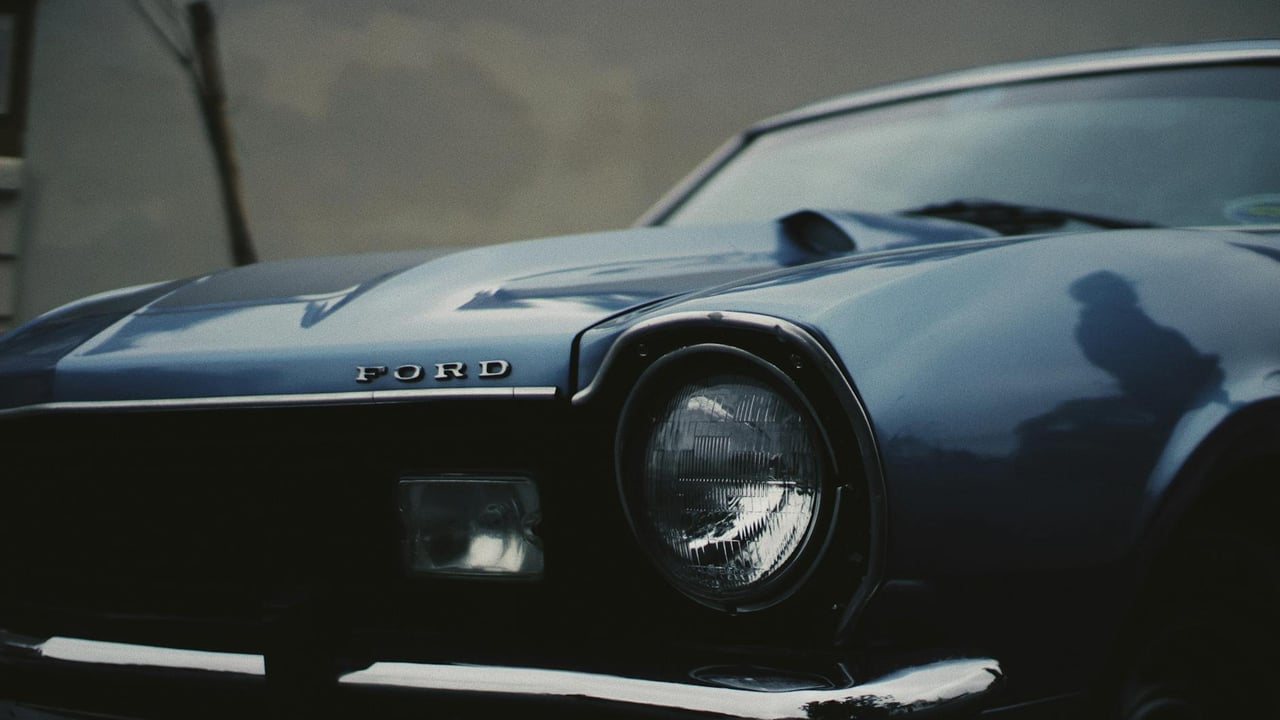
Detailed close-up of a vintage blue Ford car's headlight showcasing classic automotive design.

Key Takeaways

  • 1Geely is acquiring the 'Body 3' assembly line at Ford's Valencia plant to produce a new model codenamed '135'.
  • 2The partnership could save 4,000 jobs and restore the factory's production capacity to over 300,000 units per year.
  • 3Ford may utilize Geely's GEA platform for a next-generation electric version of its Puma SUV for the European market.
  • 4This move allows Geely to localize production and avoid European Union tariffs on imported Chinese electric vehicles.
  • 5The deal marks a reversal of roles since 2010, with Geely now acting as the technology provider to a retreating Ford.

Editor's
Desk

Strategic Analysis

The reported Geely-Ford deal in Valencia is a microcosm of the 'Great Reversal' in the global automotive hierarchy. For decades, Western firms exported technology to China through joint ventures; now, Chinese firms are exporting the platforms themselves to keep Western factories alive. By integrating its GEA architecture into Ford's infrastructure, Geely is effectively making itself indispensable to Europe’s industrial stability. This 'Trojan Horse' strategy of local manufacturing serves a dual purpose: it mitigates the political backlash of trade protectionism while forcing European regulators to view Chinese companies as local stakeholders rather than foreign disruptors. If Ford begins building its own core models on Geely platforms, it signals that the battle for EV supremacy is moving from the showroom to the very blueprints of the modern car.

China Daily Brief Editorial
Strategic Insight
China Daily Brief

Sixteen years after its landmark acquisition of Volvo from Ford, Geely is reportedly returning to the negotiating table with the American giant—this time from a position of technological strength. Reports suggest that the Chinese automotive powerhouse has reached an agreement to acquire the Body 3 assembly line at Ford’s Almussafes plant in Valencia, Spain. This move is not merely a purchase of distressed assets; it is a strategic insertion of Chinese new energy vehicle (NEV) architecture into the heart of the European market.

Geely plans to utilize the Valencia facility to manufacture a new model, internally codenamed '135,' built upon its Global Intelligent New Energy Architecture (GEA). The platform, which currently underpins successful domestic models like the Galaxy E5, is designed to support hybrid, plug-in hybrid, and battery-electric powertrains. For Ford, the deal offers a lifeline to a facility plagued by underutilization and the threat of layoffs, with the potential to restore production to its historic 300,000-unit annual capacity.

The irony of this partnership is inescapable for industry observers. In 2010, a then-upstart Geely spent $1.8 billion to rescue Volvo from a struggling Ford, a move seen at the time as a bold but risky attempt by a Chinese firm to buy prestige. Fast forward to 2026, and the power dynamics have inverted. Ford is in the midst of a painful strategic contraction, shuttering plants across Europe and the UK, while Geely has become a dominant exporter of technology and supply-chain expertise.

This 'asset-light' expansion strategy allows Geely to bypass the mounting tariff walls erected by the European Union against Chinese-made EVs. By 'borrowing a ship to go to sea'—utilizing existing European infrastructure through partnerships—Geely and its Chinese peers like Leapmotor and XPeng are finding ways to localize production rapidly. This model not only secures market access but also integrates Chinese technical standards into the European ecosystem, potentially shaping the future of the continent's automotive transition.

Share Article

Related Articles

📰
No related articles found