The Strait of Innovation: Why the PLA’s Rapid Modernization is Rattling Taipei

Recent PLA weapon tests have underscored the unprecedented speed of China’s military-industrial development, causing significant alarm in Taiwan. Expert analysis suggests that Beijing’s technological advancements are rapidly shifting the strategic balance, challenging long-standing defensive assumptions in the Indo-Pacific.

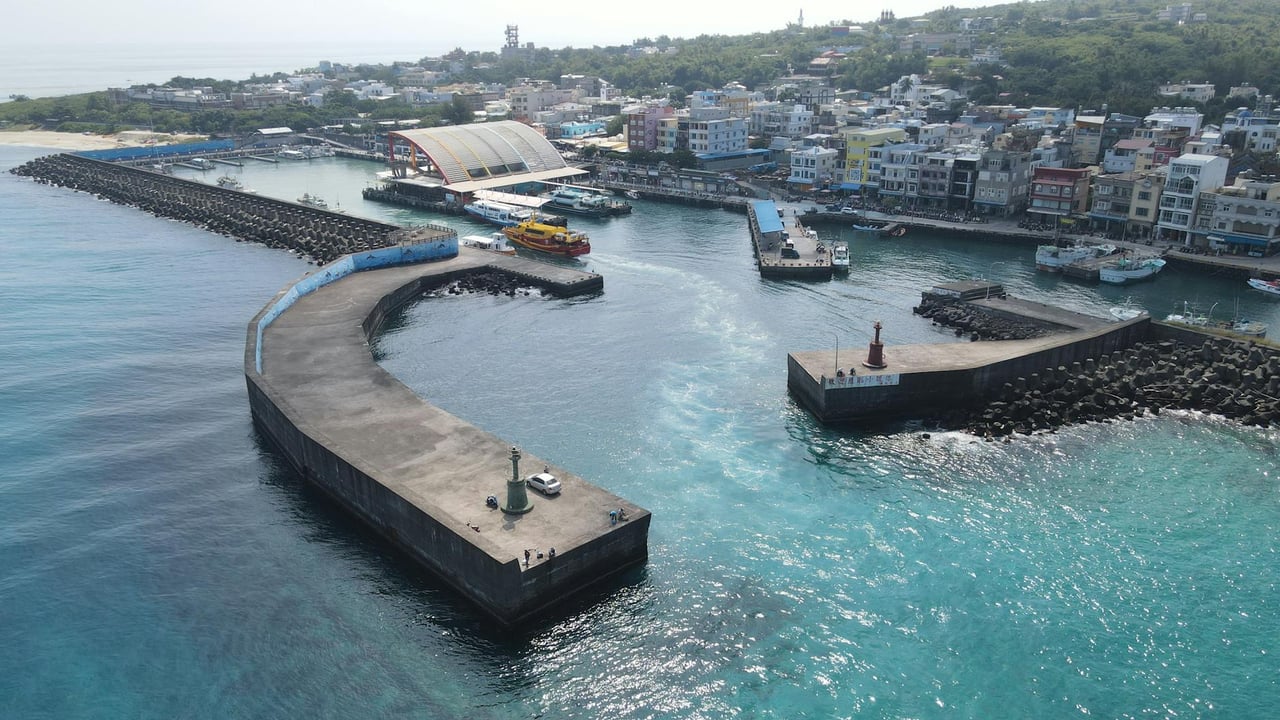
Captivating aerial shot of a bustling coastal harbor with colorful buildings and boats in Taiwan.

Key Takeaways

  • 1Recent PLA tests of advanced weaponry highlight significantly shortened R&D and deployment cycles.
  • 2Veteran analyst Shuai Hua-min emphasizes that China's military production speed is exceeding international expectations and historical precedents.
  • 3The technological gap between mainland China and Taiwan is widening, complicating Taipei's asymmetric defense strategies.
  • 4China is successfully transitioning from mass production to high-tech, qualitative dominance in key military sectors like hypersonics and AI.
  • 5These developments are forcing a reassessment of the regional balance of power and US-led deterrence in the Western Pacific.

Editor's
Desk

Strategic Analysis

The 'beyond imagination' speed cited by analysts like Shuai Hua-min points to the successful maturation of China's 'Civil-Military Fusion' strategy. By leveraging its massive commercial tech sector and streamlining state-owned enterprise workflows, Beijing has bypassed the traditional bottlenecks that slow down Western defense procurement. The real threat to regional stability is not just a single new weapon system, but rather China's institutionalized capability to innovate and deploy at scale. For the West and Taiwan, this means that the window for maintaining a technological edge is closing faster than anticipated, potentially rendering current regional defense frameworks obsolete before the end of the decade.

China Daily Brief Editorial
Strategic Insight
China Daily Brief

The People’s Liberation Army (PLA) recently conducted a series of high-profile tests for its next generation of weaponry, sparking renewed anxiety across the Taiwan Strait. While the specific technical specifications of the hardware remain classified, the demonstration has forced military planners in Taipei to reconsider their defensive timelines and the long-term viability of their current deterrents.

Retired Lieutenant General Shuai Hua-min, a prominent military analyst in Taiwan, has warned that the sheer velocity of Beijing’s military-industrial advancement has surpassed even the most pessimistic projections. According to Shuai, the integration of cutting-edge technology into the PLA’s arsenal is happening at a pace that he describes as "beyond imagination," suggesting a radical departure from historical procurement cycles.

This acceleration represents more than just a routine modernization effort; it signifies a fundamental shift in the regional security architecture. China is no longer merely playing catch-up with Western military standards but is increasingly setting the pace in domains such as hypersonic systems, electronic warfare, and unmanned swarm technologies. The transition from quantitative mass to qualitative superiority is now the defining feature of Beijing's strategic posture.

The implications for Taiwan are profound, as the island’s traditional advantages—namely geography and technical superiority—are rapidly eroding under the weight of the mainland's industrial capacity. As Beijing narrows the qualitative gap, the political pressure on Taipei increases, challenging the stability of the status quo and the effectiveness of the security umbrellas provided by regional allies like the United States.

Share Article

Related Articles

📰
No related articles found