

Despite growing murmurs of a diplomatic breakthrough in the Middle East, President Donald Trump has poured cold water on the prospect of an immediate face-to-face summit with Tehran. Speaking on May 6, Trump dismissed reports that a framework for peace was within reach, characterizing any move toward high-level negotiations as "premature." This stance suggests a tactical retreat from the optimism recently signaled by backchannel intermediaries.
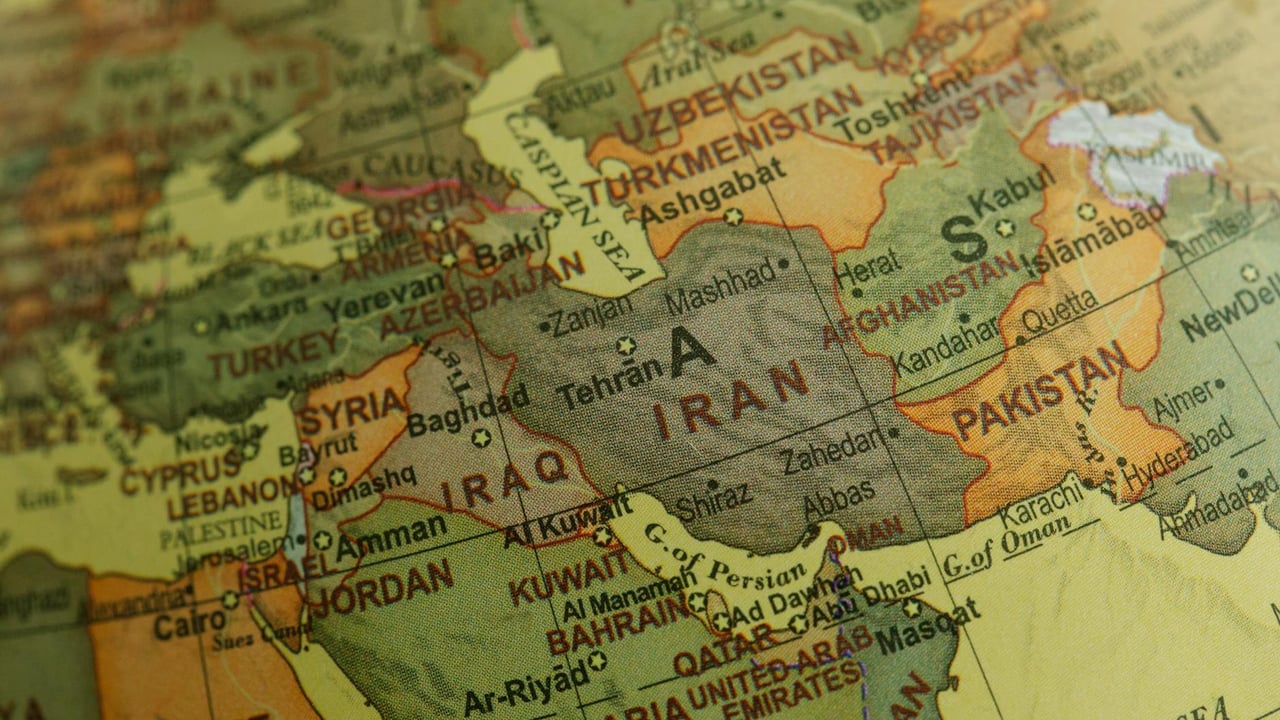
The friction centers on a delicate diplomatic dance involving Pakistan, which has emerged as a primary conduit for clandestine messaging between Washington and the Islamic Republic. While sources in Islamabad recently hinted that low-profile talks were on the verge of yielding tangible results, Trump’s latest rhetoric emphasizes a persistent "distance and uncertainty" between the two adversaries. This gap underscores the difficulty of reconciling Tehran’s demand for sanctions relief with Washington's insistence on a comprehensive security overhaul.
Trump’s public messaging continues to rely on his signature blend of transactional promises and existential threats. In a recent social media salvo, he articulated a stark choice for the Iranian leadership: total capitulation to U.S. terms in exchange for the reopening of the Strait of Hormuz, or an aerial campaign of "unprecedented scale." By branding this potential military action as "Epic Fury," the administration is clearly aiming to maintain a position of maximum leverage ahead of any formal engagement.
For the global community, the stakes of this geopolitical shadow-boxing remain centered on the world’s most vital energy artery. The President’s offer to guarantee access to the Strait of Hormuz for all parties represents a significant carrot, but it is one held behind a very large stick. As long as Washington views face-to-face talks as a reward rather than a tool, the region remains locked in a volatile cycle of speculative diplomacy and military posturing.