Tehran’s Trophies: What Iran’s Drone Display Signals to the West

Iran has publicly released footage showing the wreckage of a downed foreign drone, utilizing the event as a strategic signal of military readiness. The display highlights the ongoing 'gray zone' conflict in the Middle East where drone technology and electronic warfare define the new front lines.

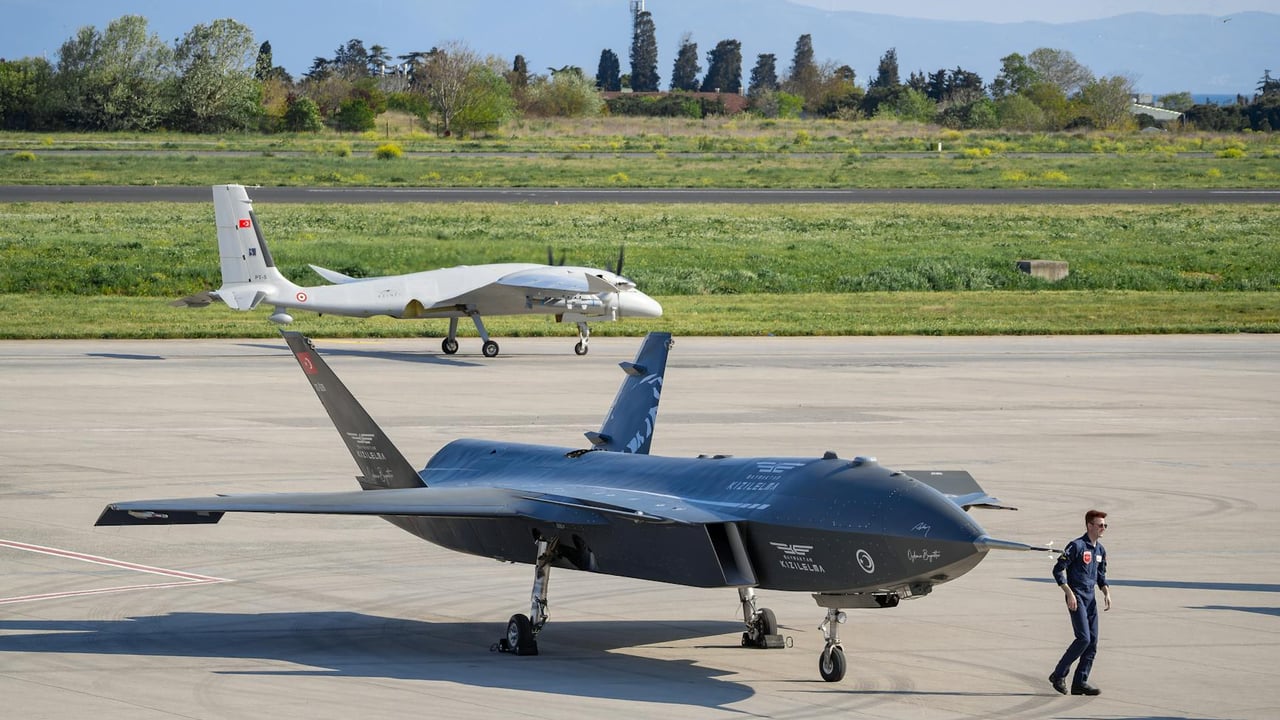
Advanced military drones on a tarmac in Istanbul, Turkey, showcasing modern aerial technology.

Key Takeaways

  • 1Tehran showcased physical evidence of a downed 'enemy' aircraft to bolster its national defense narrative.
  • 2The incident underscores the increasing frequency of drone-based reconnaissance and interdiction in the region.
  • 3Iran uses these displays to project strength to domestic supporters and signal military competence to international observers.
  • 4The event highlights Iran's focus on electronic warfare and its ability to intercept sophisticated unmanned systems.
  • 5Such captures often serve as the basis for Iran's own domestic drone development and technological iteration.

Editor's
Desk

Strategic Analysis

This move follows a long-standing Iranian doctrine of 'propaganda of the deed.' By physically showcasing the wreckage, Iran bypasses traditional diplomatic channels to deliver a direct message to the Pentagon and its allies: their technological advantages are not absolute. Strategically, this acts as a deterrent by implying that Iran possesses the electronic warfare capabilities to hijack or disrupt encrypted data links. For the international community, this indicates that the 'drone war' is accelerating, shifting from simple surveillance to a sophisticated game of cat-and-mouse that could easily escalate if a manned platform were to be targeted next.

China Daily Brief Editorial
Strategic Insight
China Daily Brief

The Iranian government’s recent unveiling of wreckage from what it describes as an 'enemy' drone marks another chapter in the intensifying electronic and aerial shadow war over the Middle East. By broadcasting high-definition footage of the mangled fuselage, Tehran is attempting to project a image of technological parity and impenetrable airspace to its regional rivals and domestic audience alike.

This orchestrated display serves as more than just a military update; it is a calculated piece of political theater. In the high-stakes environment of the Persian Gulf, the capture or destruction of unmanned aerial vehicles (UAVs) has become a primary metric of strategic leverage. For the Iranian leadership, these remnants are tangible proof of their ability to neutralize sophisticated Western or Israeli reconnaissance efforts without resorting to full-scale kinetic warfare.

The timing of this disclosure suggests a response to increasing surveillance pressure along Iran’s borders. As drone technology becomes the preferred tool for intelligence gathering, the ability to successfully interdict these assets provides Iran with a low-cost method of escalation. It reinforces the narrative that the Islamic Republic remains a formidable 'fortress,' capable of blinding the eyes of its adversaries through advanced electronic warfare.

Furthermore, the display of such wreckage often precedes claims of reverse-engineering successes. Historically, Iran has utilized captured foreign technology to accelerate its own domestic drone program, which has since become a significant export for the regime. This cycle of interception and innovation continues to reshape the balance of power, forcing modern militaries to reconsider the vulnerability of their most advanced unmanned systems.

Share Article

Related Articles

📰
No related articles found