Beijing Invokes the Ghost of Tokyo Trials to Warn Against Rising Revisionism

On the 80th anniversary of the Tokyo Trials, Chinese state media has issued a stern warning against historical revisionism regarding Japan's wartime conduct. The rhetoric reinforces Beijing's role as a primary defender of the post-WWII international order and uses historical memory as a diplomatic tool to challenge modern Japanese security policies.

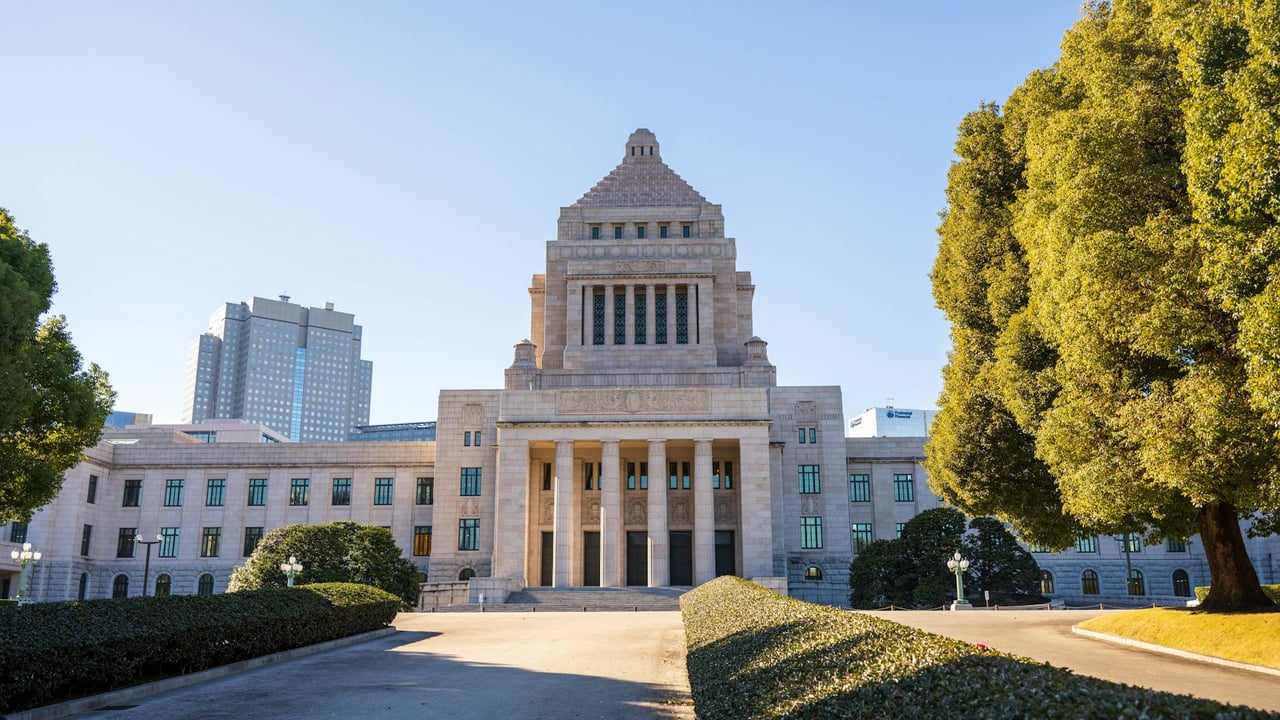
Front view of the National Diet Building in Tokyo on a sunny day, showcasing classic architecture.

Key Takeaways

  • 1China marks the 80th anniversary of the Tokyo Trials (IMTFE) with a focus on 28 Class-A war criminals.
  • 2The government warns that any attempt to 'rehabilitate' Japan's wartime history will be met with global resistance.
  • 3Beijing emphasizes that the evidence of wartime atrocities remains 'ironclad' and beyond debate.
  • 4The rhetoric serves to link historical grievances with modern-day geopolitical tensions in the Indo-Pacific.
  • 5The messaging reinforces the post-WWII international order as the only legitimate framework for regional peace.

Editor's
Desk

Strategic Analysis

Beijing's persistent focus on the Tokyo Trials is more than just a historical exercise; it is a strategic maneuver to constrain Japan's modern foreign policy. By keeping the 'original sin' of the Imperial era at the forefront of regional dialogue, China attempts to delegitimize Japan’s aspirations for 'normal country' status and a more active military role in the Pacific. This 'history card' remains one of the most effective tools in China’s soft power arsenal, allowing it to claim moral authority while painting its regional rivals as potential threats to the established peace. As the 80th anniversary arrives in 2026, expect this narrative to be a cornerstone of China's diplomatic efforts to isolate Japan on the issue of historical memory.

China Daily Brief Editorial
Strategic Insight
China Daily Brief

As the 80th anniversary of the International Military Tribunal for the Far East approaches, Beijing is reinforcing its narrative of historical justice with renewed intensity. State-affiliated media outlets have issued a stark reminder of the 28 Class-A war criminals whose 'countless crimes' were documented during the landmark proceedings in Tokyo. This public messaging serves to solidify the trials' verdicts as the foundation of the post-war international order in Asia.

The rhetoric surrounding this anniversary is pointedly aimed at what Beijing describes as attempts to 'overturn' historical verdicts. By framing the evidence of the 1946 trials as 'ironclad,' the Chinese leadership is signaling that any shift in contemporary Japanese policy—particularly regarding military normalization—will be interpreted through the lens of historical aggression. The warning suggests that any entity attempting to rehabilitate this past will face global resistance.

This historical diplomacy is a recurring theme in China's broader strategic communication. By positioning itself as the primary defender of the post-WWII settlement, Beijing seeks to exert moral pressure on Tokyo and its allies. The discourse transforms the legal findings of eighty years ago into a contemporary geopolitical litmus test for peace and stability in the Indo-Pacific region.

The timing of these statements is significant, as it coincides with evolving security dynamics in East Asia. The insistence that revisionists will be 'dragged back to the prisoner's dock of history' reflects a broader effort to consolidate domestic nationalism. It also serves to remind the international community that, from China's perspective, the legitimacy of the modern global system depends on an unwavering acknowledgement of Japan's wartime culpability.

Share Article

Related Articles

📰
No related articles found