
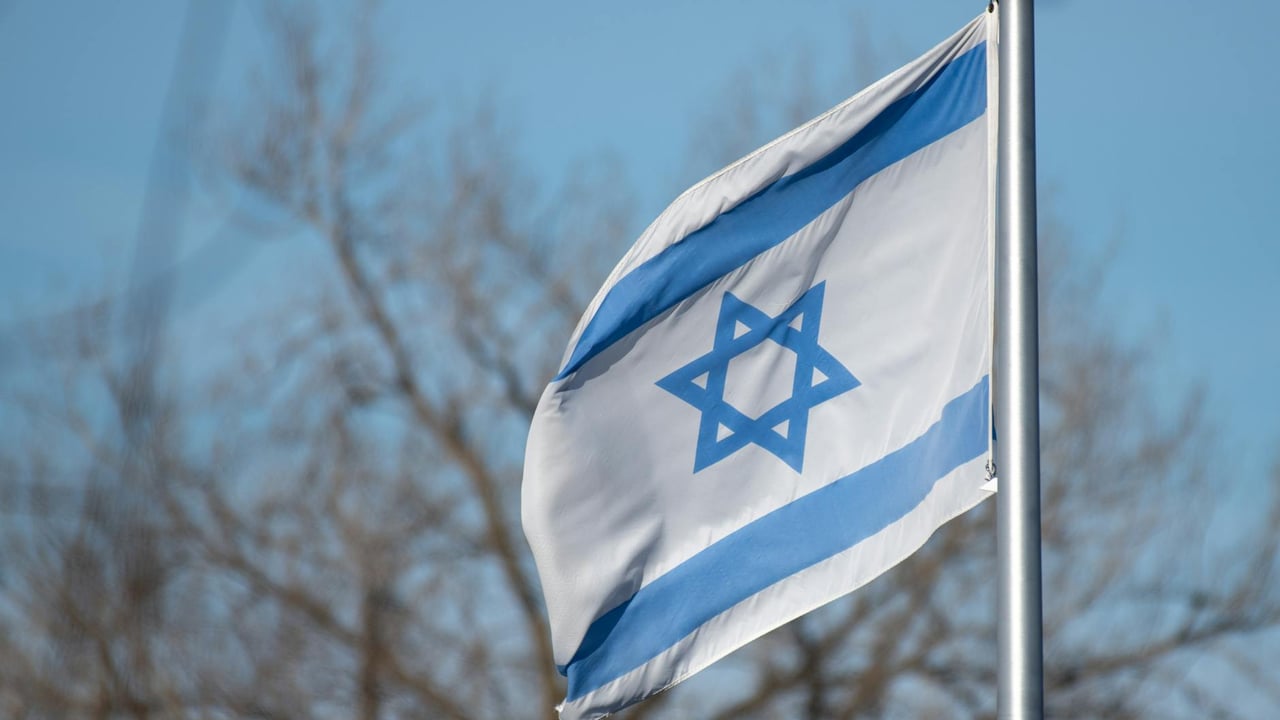

As the fragile stability of the Persian Gulf teeters on the edge of collapse, Israel’s military leadership has issued its most explicit warning yet regarding a potential regional escalation. Speaking at a high-profile change-of-command ceremony for the Israeli Air Force on May 5, IDF Chief of Staff General Zamir declared that the military is maintaining a state of 'peak readiness' to counter any aggression. This rhetoric marks a significant hardening of the Israeli posture as the nation monitors volatile developments in the Gulf waters.
The leadership transition within the Air Force underscores this shift in strategic focus. Incoming Air Force Commander Omer Tishler signaled a readiness to redeploy the nation's entire aerial arsenal eastward, a direct reference to countering Iranian threats. This logistical pivoting suggests that the IDF is no longer merely planning for border skirmishes but is preparing for a sustained, long-range campaign against state-level adversaries.
Israeli intelligence assessments, amplified by local media outlets, indicate that a precarious ceasefire may be nearing its end. The military is reportedly operating under the assumption that the window for diplomacy is closing, necessitating a rapid transition back to active combat operations. This heightened alert level reflects a growing consensus within the Israeli security cabinet that the 'war between wars' phase may be evolving into a direct confrontation.
The implications of such a conflict extend far beyond the Levant, threatening the global energy security concentrated in the Persian Gulf. By publicly tethering its air power to Gulf stability, Israel is positioning itself as a primary stakeholder in the maritime security of the region. As the IDF prepares for a 'strong response' to any perceived provocation, the international community faces the sobering reality of a Middle East where the threshold for full-scale war has never been lower.