
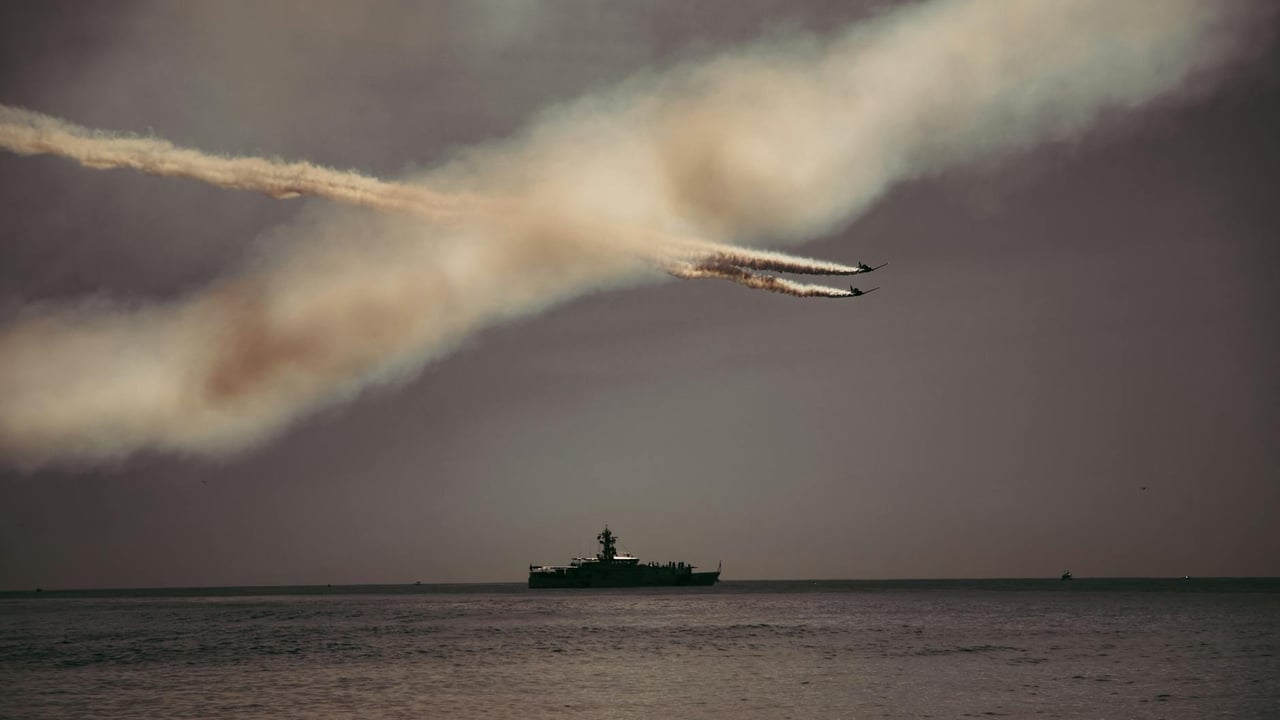

The Persian Gulf remains locked in a perilous state of 'violent peace' as the United States and Iran test the elasticity of a fragile ceasefire. General Caine, Chairman of the Joint Chiefs of Staff, recently characterized Iran’s latest maritime provocations—including nine attacks on merchant vessels and the seizure of two container ships—as being intentionally calibrated to stay below the threshold of 'large-scale combat operations.' This assessment suggests a sophisticated game of brinkmanship where Tehran exerts maximum pressure on global shipping lanes without providing Washington a definitive casus belli.
However, the human and economic toll of this low-intensity conflict is mounting, with an estimated 22,500 mariners currently trapped within the Gulf’s volatile waters. The situation is further complicated by a sharp divergence in narratives regarding a recent kinetic engagement. While US Central Command reports sinking six Iranian vessels in response to cruise missile and drone attacks, Tehran insists the targets were civilian supply boats sailing from Oman. This discrepancy, including Iranian claims of five civilian deaths, highlights the extreme difficulty of verification in a theater defined by asymmetric tactics.
Iran’s state media has framed the US response not as a show of strength, but as an act of 'clumsy' desperation born of fear toward the Islamic Revolutionary Guard Corps (IRGC) Navy. By shifting the focus to alleged civilian casualties, Tehran is attempting to build a domestic and international case against US presence in the region. This rhetorical strategy serves to delegitimize US-led maritime protection efforts while the IRGC continues to refine its swarm tactics and drone deployment against high-value naval assets.
For the Biden administration, the current impasse presents a strategic dilemma: how to restore deterrence without stumbling into the very war both sides ostensibly wish to avoid. General Caine’s comments reflect a policy of strategic patience, yet they also reveal the vulnerability of the current ceasefire. If the 'threshold' for large-scale combat remains fluid, there is a persistent risk that a single tactical miscalculation or a particularly lethal drone strike could ignite a regional conflagration that neither side can easily extinguish.