
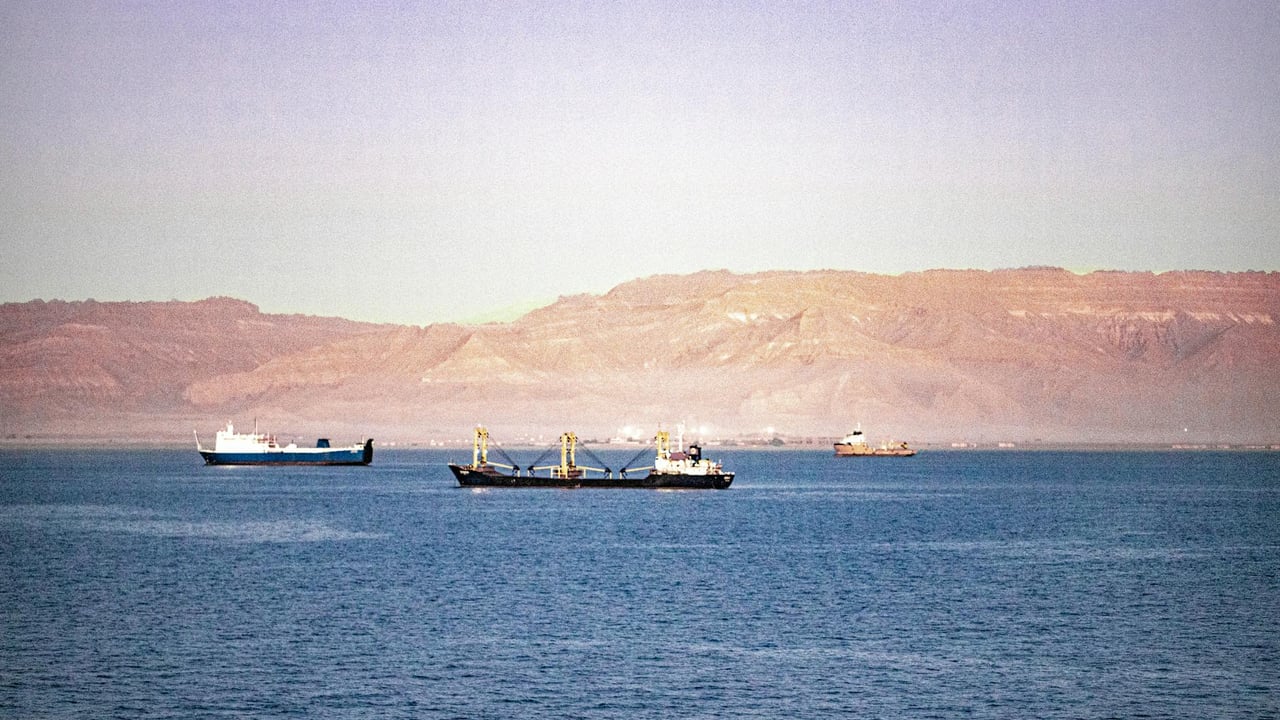

Iranian Foreign Minister Abbas Araghchi’s arrival in Beijing this week marks a pivotal moment in the volatile shadow war between Washington and Tehran. As the first senior Iranian official to visit China since the escalation of hostilities in early 2024, Araghchi’s mission is clear: to leverage Beijing’s growing diplomatic footprint as a counterweight to American pressure and a facilitator for a durable settlement. The visit comes at a precarious juncture where a fragile ceasefire holds, yet the global economy remains tethered to the unresolved blockade of the Strait of Hormuz.
During high-level talks, Chinese Foreign Minister Wang Yi emphasized that a total cessation of hostilities is an urgent necessity rather than an option. Beijing’s stance remains rooted in the belief that military solutions are inherently futile in the Middle East, advocating instead for a new regional security architecture that balances development with sovereign security. For China, the stakes are not merely diplomatic; the continued closure of the Hormuz choke point has disrupted vital energy and fertilizer supplies, directly impacting Chinese industrial interests and global price stability.
The diplomatic choreography in Beijing coincides with chaotic signals from Washington. After the brief and largely unsuccessful 'Operation Freedom Plan'—an attempt by the Trump administration to unilaterally guide vessels through the Strait—the White House appears to be pivoting toward a potential 14-point memorandum of understanding. This reported deal, which includes a 12-year suspension of Iranian uranium enrichment in exchange for the release of frozen assets, represents the most significant push for peace since the conflict began, even as President Trump maintains a dual-track strategy of negotiation and military threats.
China’s role in this theater has evolved from a passive consumer of regional stability to a strategic mediator. While Washington has publicly called for Beijing to exert more pressure on Tehran to reopen the Strait, Chinese leadership has resisted being used as a tool for American coercion. Instead, Beijing is positioning itself as a 'rational arbiter,' one that supports Iranian sovereignty and civilian nuclear rights while simultaneously pushing for the restoration of international shipping lanes that are critical to the global commons.