Beijing’s Diplomatic Gambit: China Crafts a New Security Blueprint for the Middle East

Chinese Foreign Minister Wang Yi met with Iranian Foreign Minister Abbas Araghchi to promote a regional security architecture led by Middle Eastern states. Beijing is leveraging its 'Four Points' proposal to advocate for an immediate ceasefire and strategic autonomy, aiming to reduce Western influence in the region.

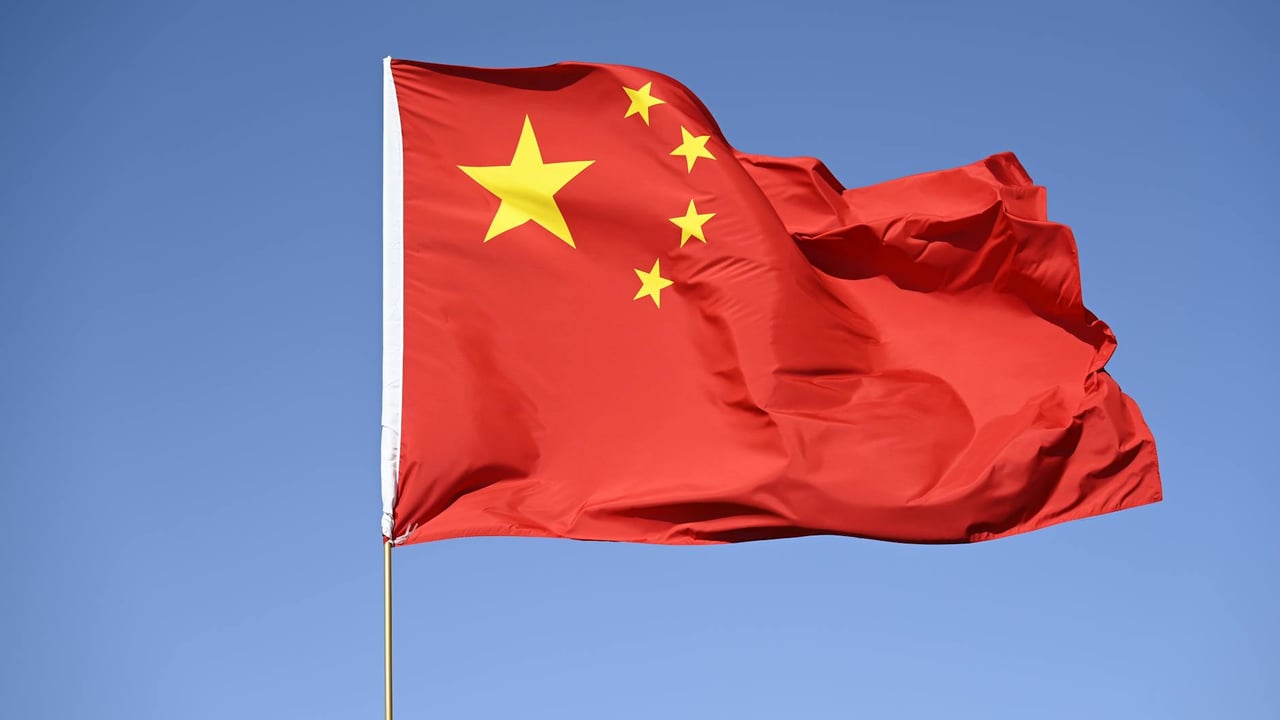
Chinese national flag flying high against a clear blue sky, symbolizing unity and pride.

Key Takeaways

  • 1China is promoting a security architecture for the Middle East that excludes Western-led intervention.
  • 2Foreign Minister Wang Yi emphasized that an immediate ceasefire is the only acceptable path for regional stability.
  • 3Beijing is actively facilitating dialogue between Iran and Gulf nations to foster a 'good neighbor' policy.
  • 4China reaffirmed its support for Iran's national sovereignty while urging a political solution to regional tensions.
  • 5The protection of maritime trade routes remains a top strategic priority for China's regional diplomacy.

Editor's
Desk

Strategic Analysis

Beijing’s 'Four Points' and 'Four Common Homes' rhetoric marks a sophisticated evolution in its Middle Eastern strategy. No longer content with being a passive consumer of energy, China is attempting to fill the perceived diplomatic vacuum left by a shifting U.S. focus. By championing 'strategic autonomy,' China provides a narrative that appeals to regional powers weary of Western conditions on aid and security. The long-term goal is to transition the Middle East from a U.S.-aligned security block into a multipolar region where China serves as the indispensable mediator and economic partner, effectively neutralizing American containment strategies.

China Daily Brief Editorial
Strategic Insight
China Daily Brief

During a high-level meeting in Beijing on May 6, Chinese Foreign Minister Wang Yi hosted his Iranian counterpart, Abbas Araghchi, to consolidate a vision for a post-conflict Middle East. This diplomatic engagement signals Beijing's intensifying effort to position itself as the primary alternative to Western security frameworks in the region. By advocating for the "Four Common Homes" initiative, China is moving beyond mere rhetoric to offer a structured plan for regional stability.

Wang Yi emphasized that the current regional landscape sits at a critical juncture between continued warfare and a transition to peace. He articulated that an immediate and comprehensive ceasefire is the only viable path forward, rejecting any return to hostilities as unacceptable. This stance reinforces China's broader objective of portraying itself as a rational, peace-oriented power in contrast to what it often frames as interventionist Western policies.

Central to the discussion was the concept of strategic autonomy for Middle Eastern nations. Beijing is actively encouraging a security architecture that is built and maintained by regional players, specifically urging dialogue between Iran and its Gulf neighbors. By supporting Iranian sovereignty while simultaneously pushing for diplomatic resolutions, China seeks to maintain a delicate balance that protects its energy interests and expands its geopolitical footprint.

Beyond terrestrial conflicts, the dialogue addressed the mounting concerns regarding maritime security in critical straits. As a major global trading power, China views the safe passage of goods and energy as a non-negotiable priority. Beijing is calling for an international response that respects regional leadership, further underscoring its belief that the Middle East’s destiny should be managed by those within its borders rather than outside superpowers.

Share Article

Related Articles

📰
No related articles found