
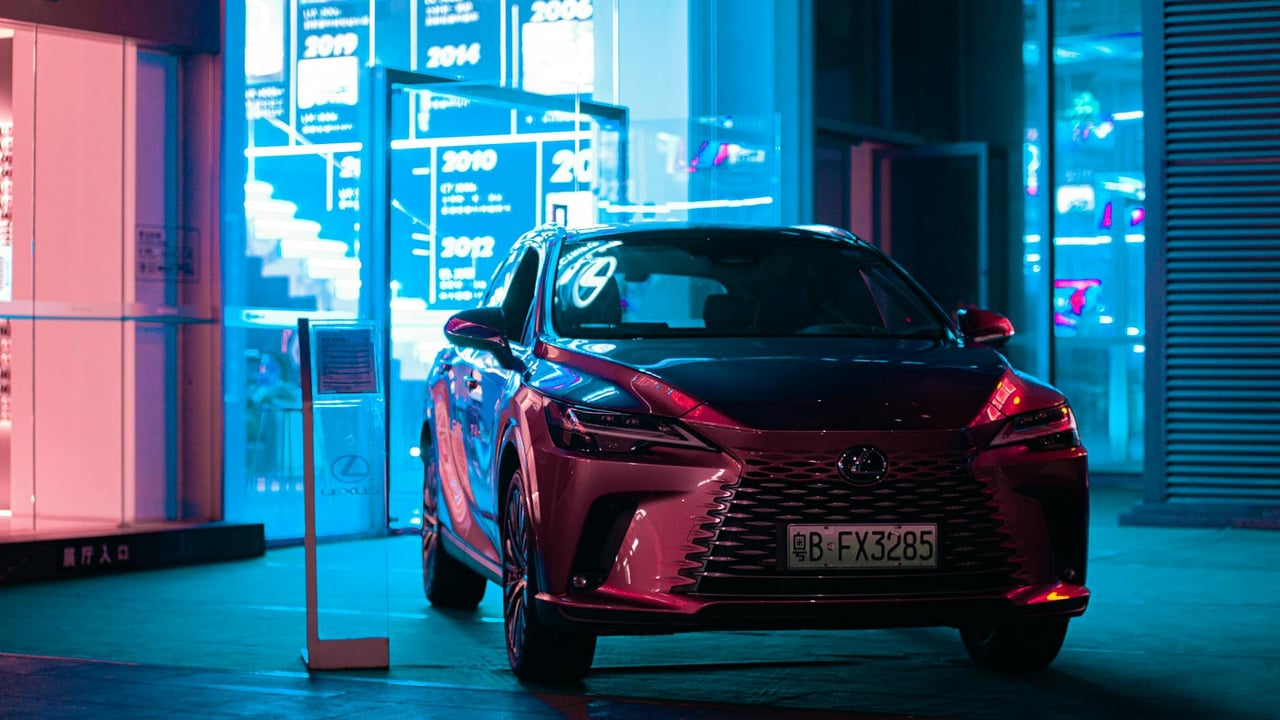

The global debut of the Lexus TZ marks a decisive moment for Toyota’s luxury division as it seeks to reclaim territory in an electric vehicle market increasingly dominated by tech-forward newcomers. Measuring 5.1 meters in length with a sprawling 3.05-meter wheelbase, the TZ is a clear statement of intent. It is designed to satisfy the growing global demand for premium, three-row electric SUVs that can serve as zero-emission flagships for affluent families.
At the heart of the TZ lies a substantial 95.82kWh battery pack, a specification that suggests Lexus is prioritizing range and long-distance comfort—two pillars of the brand's traditional identity. By entering the large-scale BEV segment, Lexus is not just expanding its portfolio but is also addressing a critical gap in its lineup. For years, the brand relied on its hybrid dominance, but the shift toward pure electrification has necessitated a more aggressive engineering approach to stay relevant in key markets like China and North America.
The TZ arrives at a time when the luxury SUV sector is undergoing a radical transformation. In China, domestic giants such as Li Auto and Nio have rewritten the rules for family-oriented luxury, emphasizing interior 'living space' and integrated digital ecosystems. Lexus is betting that its reputation for build quality and refined driving dynamics, paired with the TZ’s massive footprint, will provide a compelling alternative to the software-centric approach of its Chinese rivals.
This launch also highlights the intensifying competition among global legacy marques. As other manufacturers like BMW and Mercedes-Benz iterate on their flagship electric platforms, Lexus is positioning the TZ as a bridge between traditional luxury craft and the future of mobility. The vehicle's dimensions suggest it will offer a level of interior versatility that few dedicated EVs currently provide, potentially setting a new benchmark for the Japanese automaker's electric aspirations.