
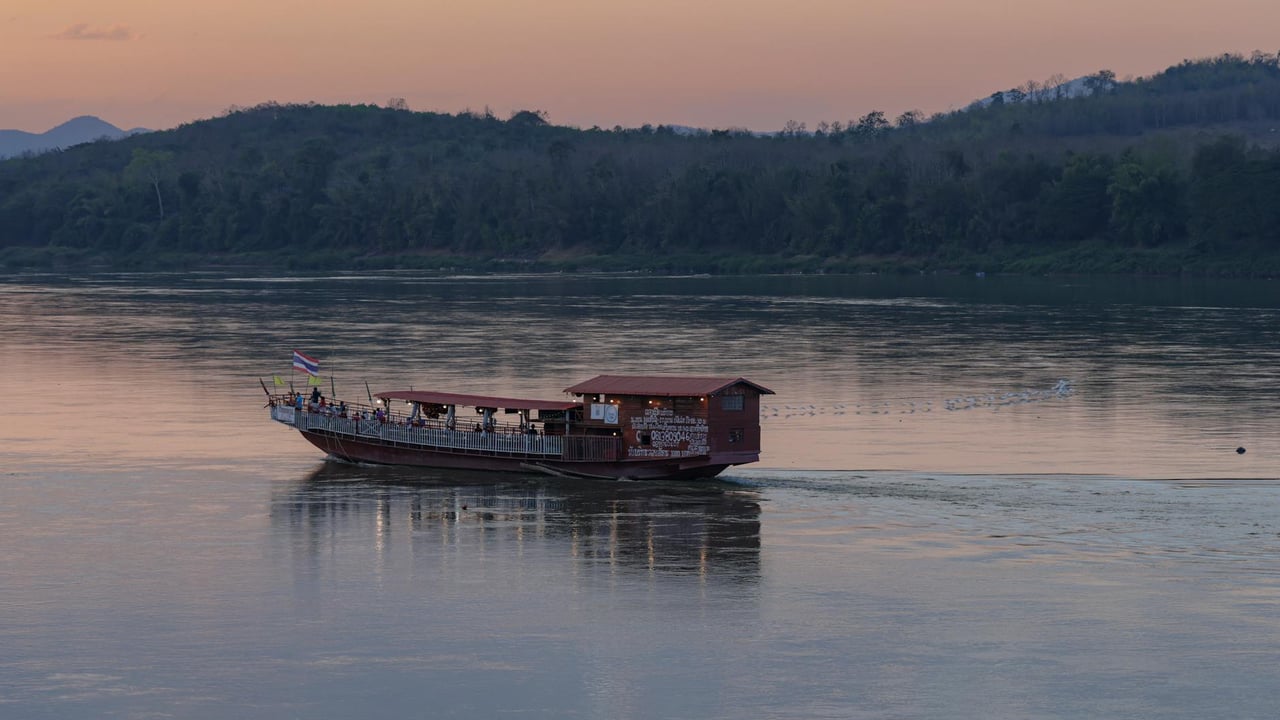

Deep in the rain forests of China’s southwest border, the Lancang River—known downstream as the Mekong—serves as both a vital ecological artery and a sensitive geopolitical boundary. For the soldiers of the Southern Theater Command, patrolling this rugged terrain is no longer just about physical endurance, but about managing a complex intersection of environmental conservation and national security. The river, which transitions from the Lancang to the Mekong just kilometers away, acts as a gateway to Southeast Asia, making its security a top priority for Beijing’s regional stability efforts.
The demographic profile of these border units is shifting, reflecting broader national trends in the People’s Liberation Army (PLA). Modern recruits, like Sergeant Huang Zhenyu, are often university graduates who must trade city life and high-tech ambitions for the isolation of the mountains. This transition from 'student to soldier' is a focal point of internal military propaganda, emphasizing the taming of personal ambition in favor of the 'passionate youth' dedicated to the state’s frontier.
Technological modernization has fundamentally altered the nature of these patrols. While veterans recall days of hacking through undergrowth and enduring leech infestations, the current generation operates within a sophisticated surveillance net. The integration of drones, thermal imaging, and motion-sensitive fencing has transformed the border into a high-tech 'Life Corridor,' where the military monitors not only human movement but also the migration of local wildlife, such as wild elephants and muntjacs.
Civil-military relations remain a cornerstone of China’s border management strategy. Local villagers like Xu Dichao act as auxiliary eyes and ears for the military, providing logistical support and intelligence in exchange for social services and disaster relief. This 'fish and water' relationship, as described in Chinese political parlance, creates a multi-layered security buffer that relies as much on community integration and cultural festivals as it does on armed patrols.
As veterans retire and hand over their responsibilities to younger 'class leaders,' the institutional memory of the PLA is being preserved through a culture of mentorship. The narrative of the 'stone in the river'—undisturbed by the current—serves as a metaphor for the desired psychological resilience of these troops. For Beijing, these soldiers are more than just guards; they are the physical manifestation of Chinese sovereignty at a critical juncture of continental trade and environmental resource management.