
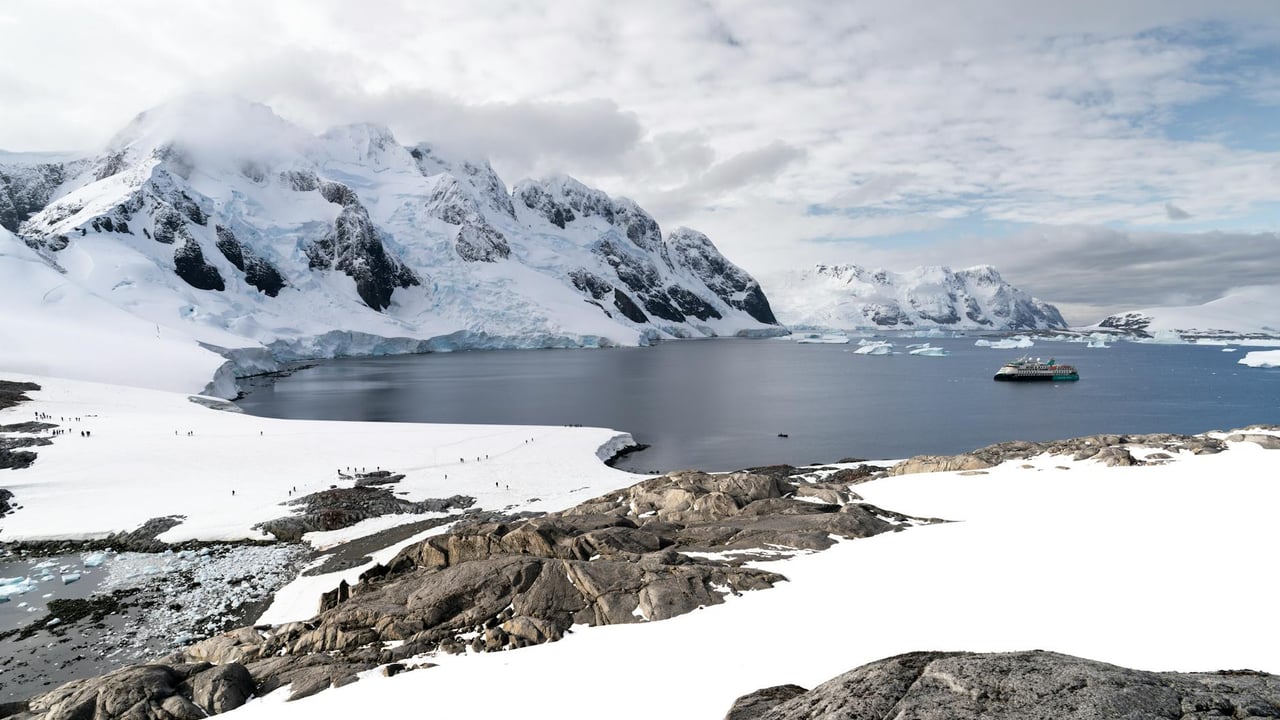

The Hantavirus outbreak aboard the 'Hondius', a specialized polar expedition vessel, has sent ripples through the global conservation community. While the ship was quarantined following its journey from Ushuaia, Argentina, the incident serves as a chilling reminder of the biological vulnerabilities inherent in the world’s last great wilderness. As thousands of visitors traverse these pristine landscapes, the boundary between human civilization and one of Earth’s most sensitive ecosystems is blurring with alarming speed.
Statistical growth in the region illustrates a shift from niche exploration to mass-market commercialization. In 2024, landings exceeded 80,000, with an additional 36,000 tourists viewing the continent from cruise decks—a tenfold increase over the last three decades. This surge is no longer merely an economic success story; it has become a logistical and environmental challenge that poses existential threats to the very environment it seeks to showcase.
Ecologists warn that the risks extend far beyond human health. The introduction of invasive species, pathogens, and micro-pollutants could prove catastrophic for local fauna like penguins, whales, and krill. In a landscape where medical resources are virtually non-existent and emergency response times are measured in days rather than hours, the lack of robust infrastructure makes any viral transmission a complex logistical nightmare for both operators and international regulators.
Current governance, anchored by the 1959 Antarctic Treaty, was designed for an era of scientific cooperation rather than the pressures of global tourism. While industry groups like the International Association of Antarctica Tour Operators (IAATO) promote self-regulation and strict cleaning protocols, experts argue that voluntary measures are insufficient. The challenge now lies in updating international legal frameworks to balance the burgeoning travel economy with the non-negotiable preservation of the Antarctic biosphere.