
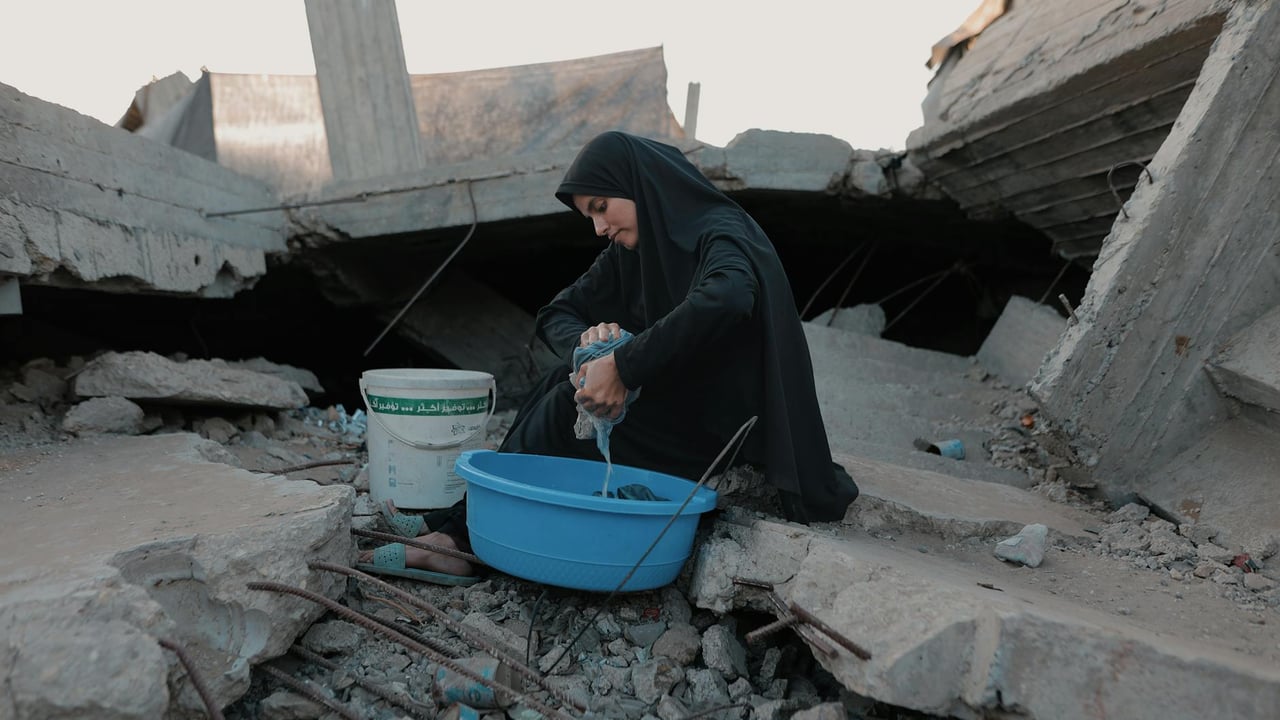

On a day traditionally reserved for celebrating the dignity of labor, Gaza’s workforce marked International Labor Day 2026 not with marches, but with a desperate, silent vigil in the dust. For the nearly 80% of the population now without a paycheck, the concept of a 'Labor Day' has become a cruel irony. In the skeletal remains of Gaza City, the act of waiting has replaced the act of working as the primary occupation for hundreds of thousands of able-bodied adults.
The human cost of this economic annihilation is visible at every street corner. Mahmoud Jaruha, once a steady laborer, now spends his daylight hours gripping the handles of a rusted handcart, hoping to transport a few scraps of cargo for the price of a daily meal. Like many, he notes that the institutional rights of workers have vanished alongside the buildings that once housed their trades, leaving a vacuum where survival is the only remaining metric of success.
The crisis does not discriminate by education or former status. Fida Abed, a 2014 IT graduate from the University of Palestine, represents a lost generation of professional talent now forced into the informal economy. After his business was destroyed in late 2023, Abed and his family of seven were relegated to a tent. Today, he attempts to sell nuts from a roadside stall, but in an economy where 95% of the population relies on aid to eat, there are few customers with disposable income.
According to data from the International Labour Organization and the World Bank, the systemic collapse is near-total. Approximately 80% of industrial facilities, shops, and artisan workshops have been reduced to rubble. Even in moments of relative calm, the absence of electricity, clean water, and imported raw materials like cement ensures that production remains at a standstill. This is not a temporary downturn but a fundamental dismantling of the territory’s productive capacity.
The macroeconomic figures paint a picture of a society pushed back decades. Gaza’s GDP has contracted by at least 80%, and poverty rates have soared above 90%. United Nations agencies now estimate that 100% of the population requires humanitarian assistance, effectively turning an entire territory into a ward of the international community. Without the ability to clear tens of millions of tons of debris—a task estimated to take up to five years—the prospect of meaningful reconstruction remains a distant hope.