Mentors of the Information Age: How the PLA is Rethinking Grassroots Leadership

The PLA is increasingly emphasizing psychological resilience and personalized mentorship to improve combat readiness within its high-tech Information Support Force. Veteran instructor Feng Lujian exemplifies this trend, moving away from rigid discipline toward a professionalized NCO corps that prioritizes individual soldier development.

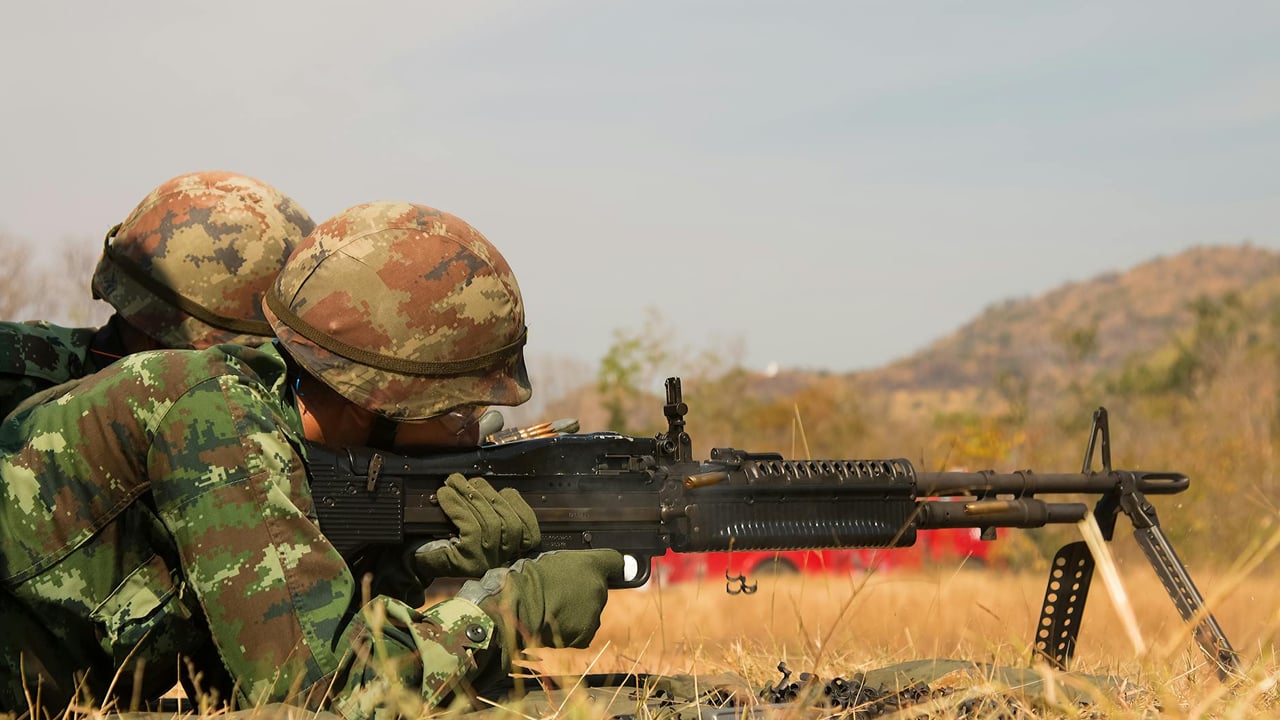
Two soldiers in camouflage uniforms practicing on a field with a machine gun in combat training.

Key Takeaways

  • 1Feng Lujian, a 19-year veteran, represents the professionalization of the PLA's Non-Commissioned Officer (NCO) corps.
  • 2The Information Support Force is integrating psychological counseling with physical training to enhance soldier performance.
  • 3Tailored, 'ladder-style' training programs are being used to rehabilitate struggling soldiers and improve retention.
  • 4Experienced instructors are now tasked with codifying their methods into manuals to standardize 'soft' leadership across the force.
  • 5This shift reflects a broader military reform aimed at creating a more resilient and adaptable force for modern warfare.

Editor's
Desk

Strategic Analysis

This profile underscores a critical but often overlooked aspect of China's military reforms: the professionalization of the NCO tier. As the PLA shifts toward the 'Information Support Force' and other high-tech domains, the old model of mass-conscript discipline is becoming obsolete. The emphasis on 'psychological guidance' (心理疏导) suggests that the PLA leadership recognizes that high-tech hardware is only as effective as the morale of the operators behind it. By elevating figures like Feng Lujian, the state is promoting a leadership style that is empathetic yet results-oriented, aiming to reduce turnover and build a more loyal, intellectually engaged soldier base. This 'soft' power within the military is essential for sustaining the long-term human capital requirements of Xi Jinping's 'strong military' dream.

China Daily Brief Editorial
Strategic Insight
China Daily Brief

In the shadow of the People’s Liberation Army’s (PLA) rapid technological modernization, a more subtle transformation is taking place within its barracks. Feng Lujian, a 19-year veteran and 'Gold Medal Instructor' in the newly reorganized Information Support Force, represents a shift toward a more nuanced, psychologically-driven approach to military training. This shift marks a departure from the rigid, top-down discipline of the past, focusing instead on the individual resilience of soldiers tasked with managing China's high-tech battlefield infrastructure.

The story of Private Xiao Liu, a soldier who struggled with the physical rigors of a 3,000-meter run, illustrates this modern mentorship model. Rather than employing traditional punitive measures, Feng utilized a combination of 'side-by-side' coaching and psychological intervention. By identifying the soldier’s mental barriers and developing a tailored, incremental recovery plan, Feng succeeded in turning a 'problem trainee' into a champion, highlighting a sophisticated understanding of the human factor in military readiness.

This personalized approach is increasingly critical as the PLA evolves into a high-skill, professionalized force. The Information Support Force, a strategic branch established to bolster China’s cyber and electronic warfare capabilities, requires personnel who are not only technically proficient but also mentally durable. Feng’s methods—ranging from 'rhythmic breathing' jingles to granular progress tracking—suggest that the PLA is prioritizing the retention and development of talent through empathetic leadership.

Furthermore, the institutionalization of this knowledge signals a broader strategic intent. Feng has codified his two decades of experience into training manuals and established 'lead-training groups' to mentor the next generation of non-commissioned officers (NCOs). By transforming individual expertise into collective capability, the PLA is attempting to build a self-sustaining cycle of high-quality instruction that can keep pace with the demands of modern regional competition.

Share Article

Related Articles

📰
No related articles found