Power Projection in Transit: Why the French Flagship’s Suez Passage Signals a More Assertive European Naval Strategy

The French aircraft carrier Charles de Gaulle has transited the Suez Canal, utilizing tugboat assistance to navigate the strategic waterway. This movement underscores France's ability to project naval power into the Indo-Pacific and Middle East, serving as a reminder of its strategic autonomy and commitment to maritime security.

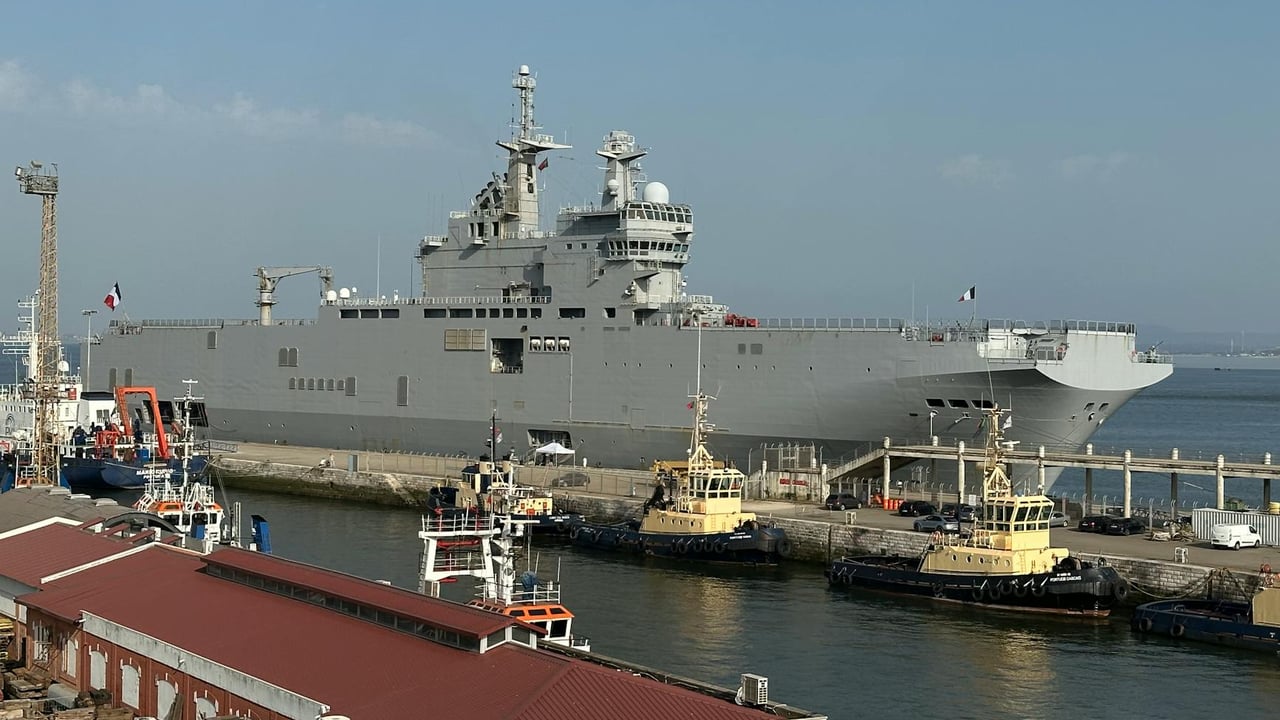
Aerial view of a large navy ship docked at Lisbon harbor alongside tugboats on a clear day.

Key Takeaways

  • 1The Charles de Gaulle, France's sole nuclear-powered aircraft carrier, completed a transit of the Suez Canal with tugboat assistance.
  • 2The French military released footage of the event to highlight operational transparency and power projection.
  • 3The transit is a critical logistical step for French naval operations shifting between the Mediterranean and the Indo-Pacific.
  • 4Such maneuvers require high-level diplomatic and technical coordination with Egyptian maritime authorities.
  • 5The deployment reinforces France's role as a leading European maritime power amidst evolving global security dynamics.

Editor's
Desk

Strategic Analysis

The transit of the Charles de Gaulle through the Suez Canal is more than a routine logistical movement; it is a calculated display of maritime sovereignty. At a time when the European Union is debating its collective security role, France continues to demonstrate that it possesses the high-end naval assets required to influence events far from its home shores. The reliance on the Suez Canal also highlights a paradox: the carrier is a symbol of immense power, yet it remains dependent on narrow, land-bordered passages that are increasingly subject to geopolitical friction. As France looks toward the Indo-Pacific to counter-balance rising powers, the efficiency and security of these chokepoints remain the linchpin of its global strategy. This transit confirms that Paris intends to remain a primary actor in the security architecture of the maritime commons, bridging the gap between European defense and global stability.

China Daily Brief Editorial
Strategic Insight
China Daily Brief

The French aircraft carrier Charles de Gaulle has successfully completed a high-stakes transit through the Suez Canal, a maneuver highlighted by newly released military footage showing the nuclear-powered flagship navigating the narrow waterway with the aid of Egyptian tugboats. While such transits are technically routine, the visual documentation serves a broader purpose of demonstrating French maritime reach and logistical coordination in one of the world's most critical geostrategic chokepoints.

As the only nuclear-powered carrier in Western Europe, the Charles de Gaulle represents the tip of the spear for the French Navy’s power projection capabilities. Its presence in the Suez Canal typically precedes or follows deployments in the Indian Ocean or the Persian Gulf, regions where France maintains significant security interests and permanent military bases. The use of tugboats, while a standard safety protocol for a vessel of this displacement, underscores the inherent vulnerability and complexity of navigating these vital trade arteries.

This deployment comes at a time when European powers are increasingly recalibrating their naval postures to address shifting alliances and rising tensions in the Indo-Pacific. By maintaining a visible presence in the Middle East and beyond, Paris signals its commitment to freedom of navigation and its role as a 'balancing power' capable of acting independently or alongside NATO allies. The Suez transit is as much a logistical feat as it is a symbolic message of European strategic autonomy.

Furthermore, the cooperation with Egyptian authorities required for such a transit highlights the diplomatic infrastructure supporting these missions. In an era where regional stability is often precarious, the ability to seamlessly move a carrier strike group through the heart of the Middle East remains a cornerstone of French defense policy. This latest passage reaffirms that despite the rise of asymmetric threats, the carrier remains the ultimate tool of international influence and deterrent diplomacy.

Share Article

Related Articles

📰
No related articles found