
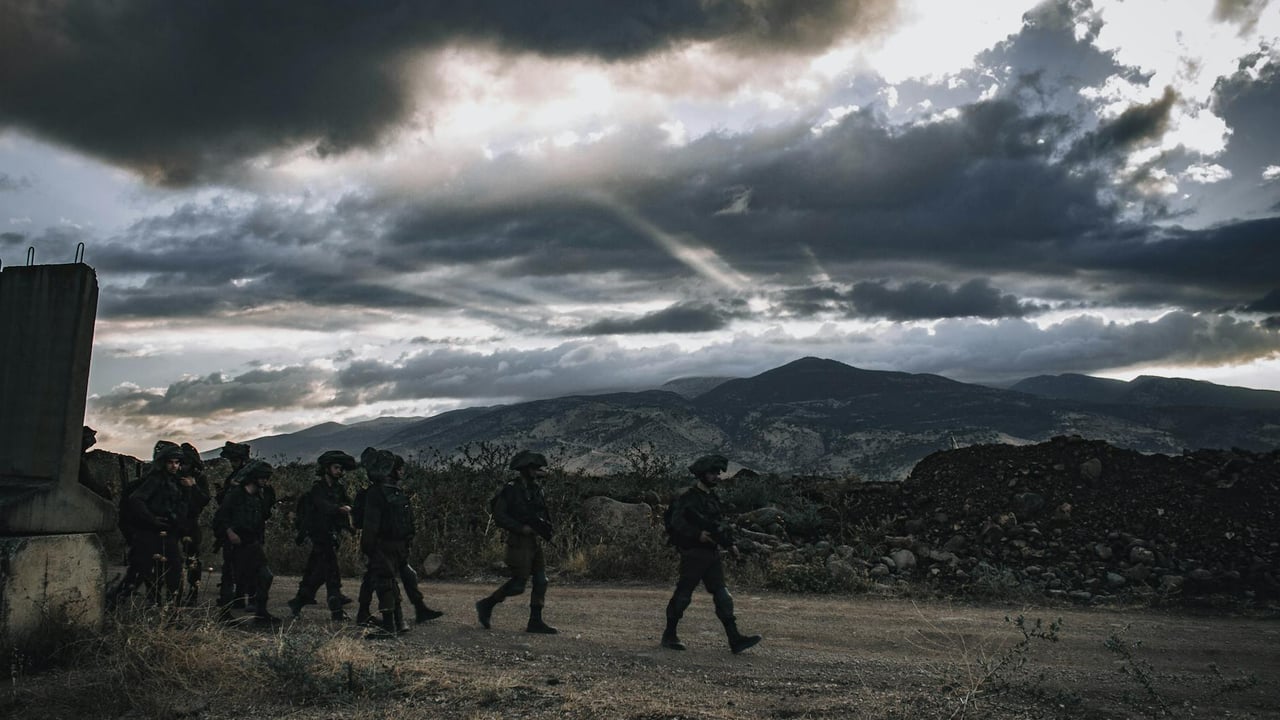

The cross-border conflict between Israel and Hezbollah has entered a more aggressive phase as the Israeli Defense Forces (IDF) launched a series of high-intensity strikes against what they characterized as terrorist infrastructure. Beyond the immediate kinetic impact in towns like Saksakiyeh, the issuance of evacuation orders for 12 southern Lebanese villages signals a shift in the IDF’s operational tempo, moving from surgical responses to a more comprehensive clearing of the frontier zone.
While the world's attention often remains fixed on the Gaza Strip, the northern front presents a far more formidable military challenge for Israel. Hezbollah possesses an arsenal significantly more sophisticated than that of Hamas, and the systematic dismantling of their launch sites and command centers has become a primary Israeli strategic objective. These latest strikes aim to degrade Hezbollah's ability to maintain its presence along the Blue Line, the de facto border between the two nations.
For the civilian population of southern Lebanon, the cost of this tactical shift is mounting rapidly. Images of charred vehicles and leveled structures in residential areas like Saksakiyeh highlight the difficulty of separating militant infrastructure from civilian life. As the IDF pushes for a security buffer to allow displaced Israelis to return to their homes in the north, the humanitarian crisis on the Lebanese side of the border is poised to deepen, complicating any potential diplomatic resolution.