
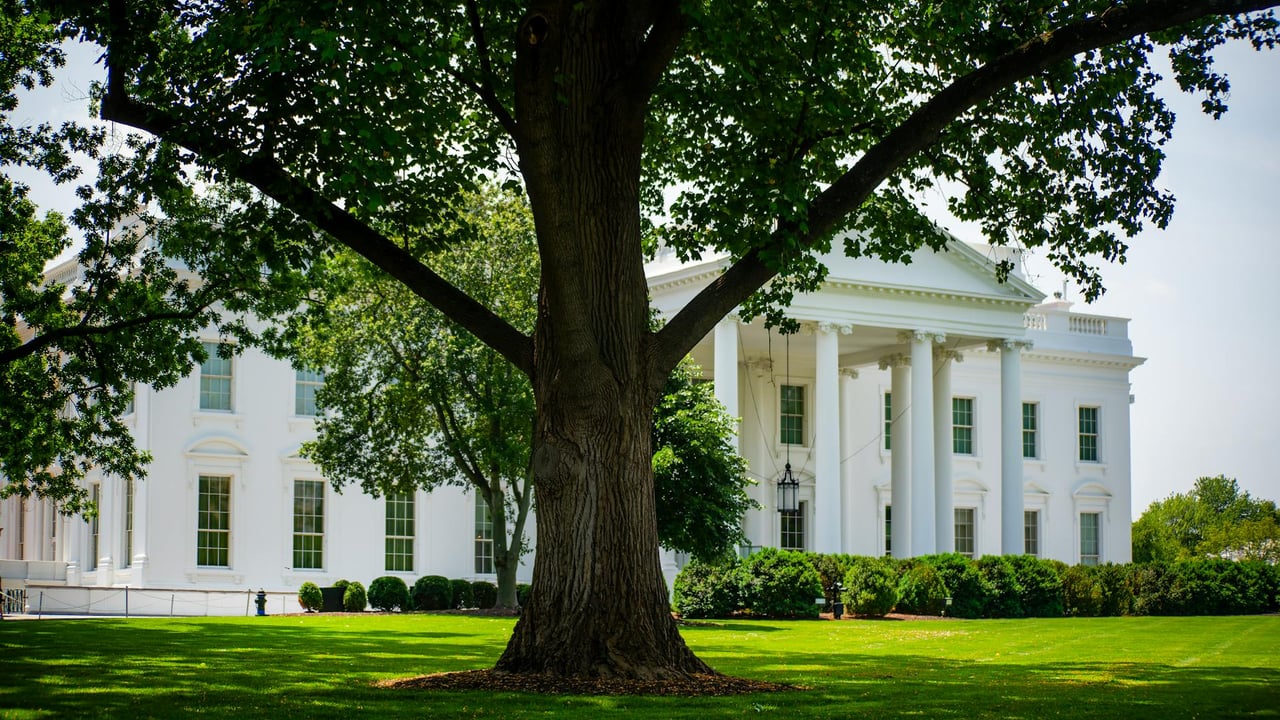

President Donald Trump has once again deployed his signature brand of high-stakes diplomacy, signaling that a breakthrough with Iran is not just possible, but imminent. Speaking from the White House, the President characterized recent dialogues as highly productive, suggesting that a one-page memorandum of understanding could end the current hostilities as early as next week. This optimism rests on the claim that Tehran is 'desperate' for relief and has ostensibly agreed to forgo nuclear weapons in exchange for a cessation of conflict.
However, the view from Tehran offers a starkly different narrative, one defined by strategic skepticism and a rejection of American media framing. While the Iranian Foreign Ministry confirmed it is reviewing a 14-point proposal delivered via Pakistani intermediaries, it dismissed reports of a finalized agreement as 'media speculation' designed to create a false sense of inevitability. Iranian officials maintain that while discussions regarding the 'end of war' are occurring, the sensitive nuclear file has not yet been formally reopened in this current round of talks.
This diplomatic dance is taking place against a backdrop of military posturing and economic pressure. To facilitate the talks, the Trump administration has temporarily paused its 'Freedom Plan'—a controversial maritime operation aimed at escorting shipping through the Strait of Hormuz. Yet, this olive branch is paired with a heavy-handed caveat: the President has warned that a failure to reach an agreement would trigger a bombing campaign of a scale and intensity 'far exceeding' previous engagements.
For Iran, the challenge is twofold: navigating the economic strangulation of U.S. sanctions while maintaining domestic unity against perceived American bullying. Speaker of the Parliament Mohammad Bagher Ghalibaf recently framed the current maritime and economic pressures as a coordinated attempt to force a surrender. By channeling communications through Pakistan, Iran is attempting to maintain a layer of diplomatic insulation, ensuring that any potential 'grand bargain' is not seen as a capitulation to unilateral American demands.