
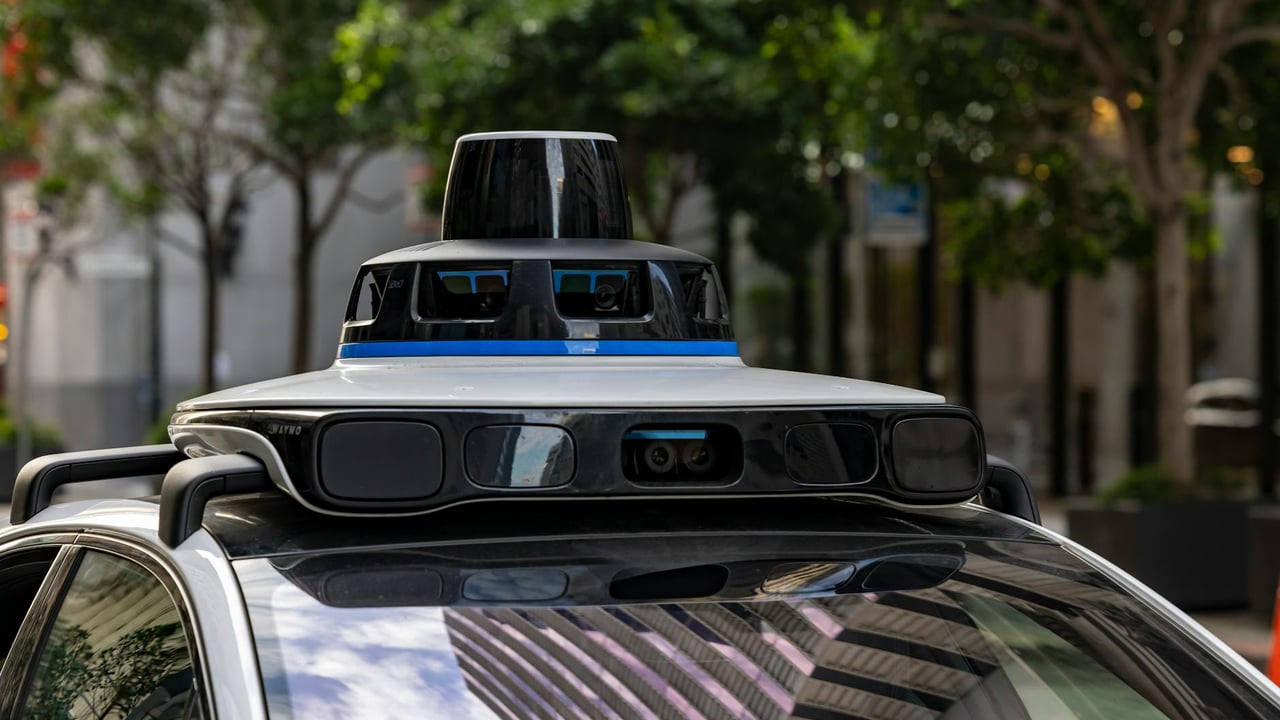

Chongqing, a critical hub in China's automotive landscape, has unveiled new regulatory guidelines specifically designed to govern the testing of high-level autonomous vehicles on highways. This move represents a concerted effort by local authorities to bridge the policy gap for Level 3 (L3) and higher automation, moving beyond restricted city streets into high-speed environments. By formalizing these testing procedures, the city aims to provide a structured path toward the full commercialization of self-driving technologies.
Market analysts are identifying this as a pivotal inflection point for the global automotive industry. In a significant shift from previous years, advanced autonomous features are no longer the exclusive domain of luxury flagship models. Major Chinese automakers are increasingly integrating 'City Navigate on Autopilot' (NOA) capabilities into mass-market vehicles priced between 100,000 and 200,000 RMB ($14,000 to $28,000), effectively democratizing high-tech driving assistance for the average consumer.
The technological foundation of these advancements is also evolving. Developers are moving away from traditional rule-based coding in favor of sophisticated AI architectures known as 'World Models' and Vision-Language-Action (VLA) systems. These technologies allow vehicles to interpret complex road scenarios with human-like intuition rather than relying on rigid, pre-programmed responses. This convergence of technical capability and policy support is expected to drive a surge in the adoption rate of intelligent vehicles across the country.
Institutional momentum is building throughout the supply chain as companies rush to capitalize on the new regulatory environment. Firms like Qianli Technology have already initiated the application process for L3 testing licenses, while sensor manufacturers such as Haon Auto are securing multi-year contracts for advanced radar systems. As these components reach economies of scale, the cost of intelligent driving hardware is projected to drop, further fueling the transition toward a software-defined automotive market.