
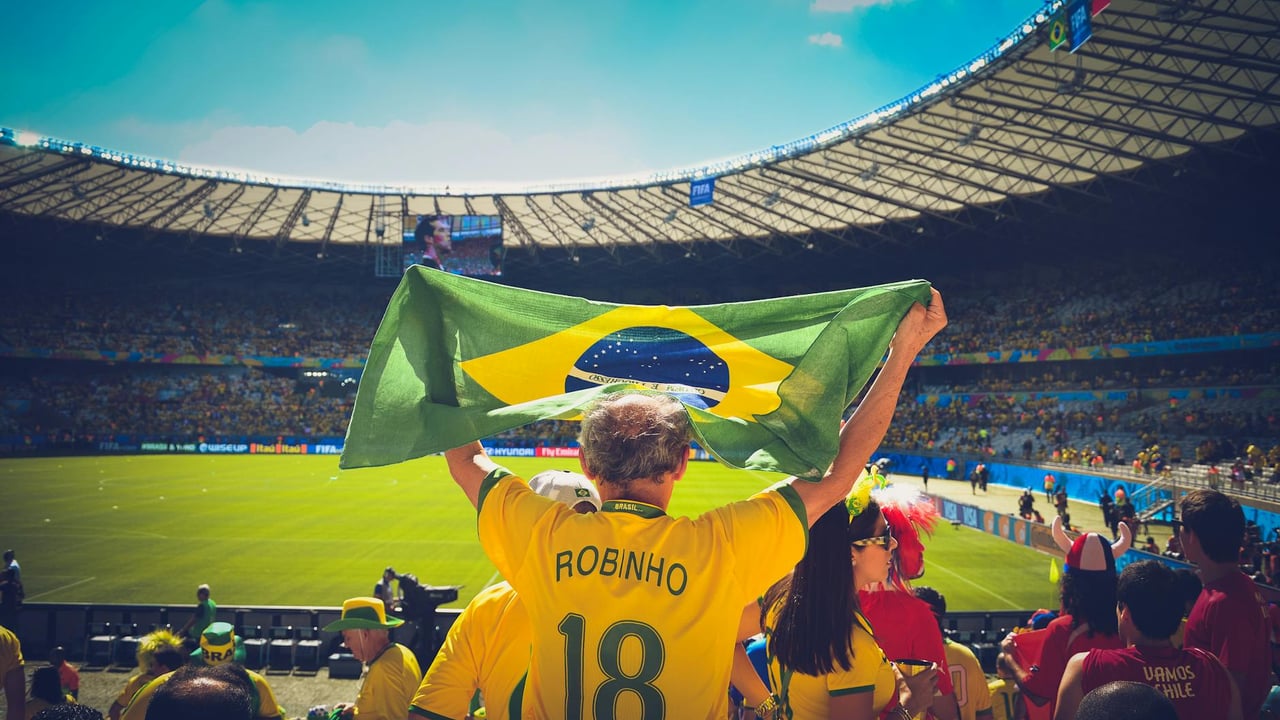

With the 2026 FIFA World Cup in North America just over a month away, a high-stakes game of financial chicken is unfolding between international football's governing body and China's state broadcaster. China Central Television (CCTV), the nation’s sole authorized buyer of World Cup rights, remains locked in a stalemate with FIFA over licensing fees. Unless a last-minute 'miracle deal' is struck before the June 12 kickoff, hundreds of millions of Chinese fans may find themselves without a legal way to watch the tournament on television.
FIFA recently confirmed that while it has secured broadcast agreements in over 175 territories, negotiations for mainland China and India remain at a confidential impasse. In China, this is not a simple matter of market competition. Under a strict 2000 mandate from the State Administration of Radio and Television, CCTV holds a legal monopoly on the negotiation and purchase of major international sporting events. This regulatory gatekeeping prevents local or commercial stations from bypassing the state giant to deal directly with FIFA.
Historically, the cost of bringing the 'beautiful game' to China has ballooned. From a relatively modest $24 million for the 2002 and 2006 cycles combined, the price tag for the 2018 and 2022 tournaments reportedly soared to between $300 million and $400 million. FIFA currently views China as a 'Tier 1' market alongside the U.S. and UK, justifying price hikes by pointing to an expanded 48-team format and an increased slate of 104 matches.
However, the economic math no longer adds up for Beijing. FIFA’s initial asking price was rumored to be as high as $300 million, while CCTV’s budget reportedly sits at a fraction of that, around $60 million to $80 million. Even with FIFA lowering its expectations to roughly $150 million, a significant valuation gap remains. The lack of participation by the Chinese national team and the unfriendly time zones—with most matches airing in the middle of the night or early morning in Beijing—have severely dampened the expected return on investment for advertisers.
Beyond the broadcast booth, the standoff threatens the visibility of China’s corporate titans. Companies like Hisense and Mengniu have spent hundreds of millions of dollars to become official FIFA sponsors, largely to capture the eyeballs of their domestic audience. If the matches are not aired on CCTV, these brands risk a catastrophic loss of exposure in their home market. As a senior FIFA executive prepares for an emergency visit to China, the sporting world is watching to see who will blink first in a clash between FIFA’s global pricing ambitions and China’s new era of fiscal pragmatism.