

Li Ka-shing, the billionaire patriarch often nicknamed 'Superman' for his investment prowess, is accelerating a massive tactical retreat from Western markets. His latest move—the sale of a multi-billion dollar stake in a British telecommunications business for £4.3 billion—marks a significant milestone in a broader divestment strategy. Since 2020, the CK Hutchison empire has systematically liquidated over HK$350 billion in overseas assets, signaling a profound shift in how Asia’s most influential tycoon views the stability of the Western world.
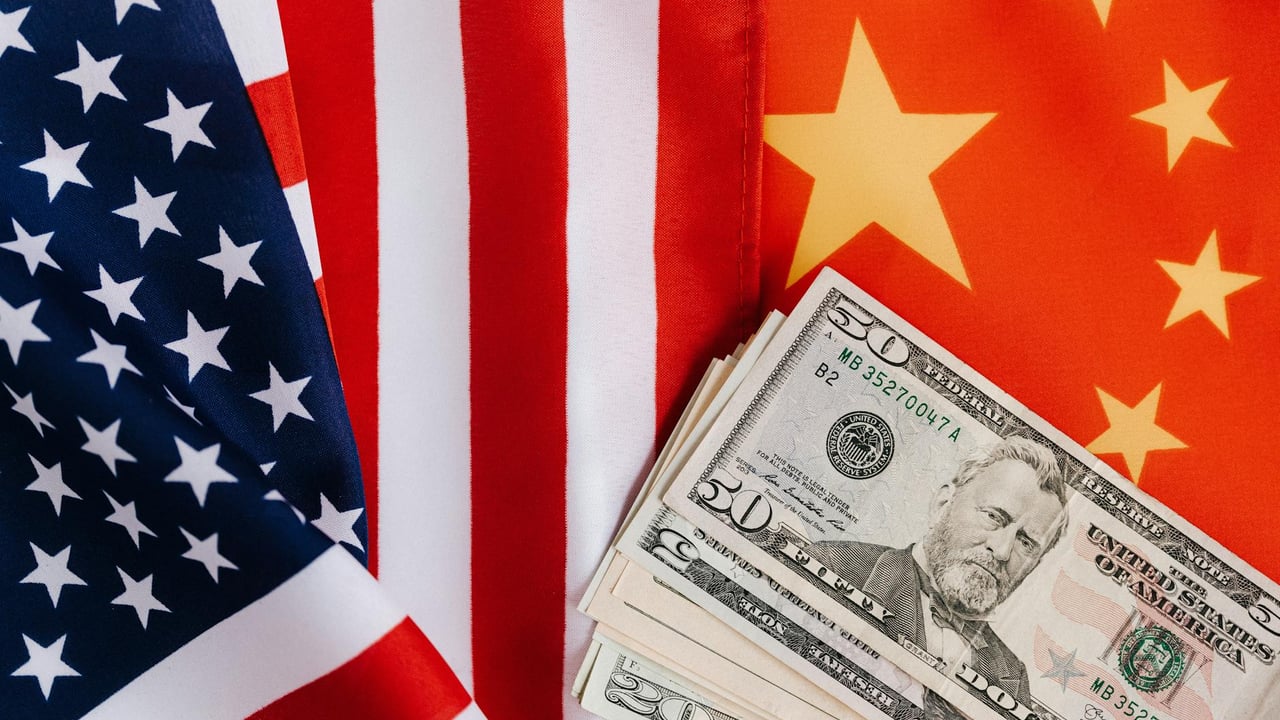
This exodus is not a sign of failure but a calculated response to a changing geopolitical and regulatory landscape. In Europe and the United Kingdom, the era of 'easy money' from infrastructure and utilities is being squeezed by heightened national security screenings and more aggressive regulatory oversight. Assets that were once considered 'unmovable gold mines'—such as power grids, water companies, and telecom networks—are increasingly treated as pawns in a larger political game between East and West, significantly devaluing their long-term security for a Hong Kong-based conglomerate.
Economic headwinds in the United Kingdom have further soured the appeal of holding mature assets. With the British economy facing a cocktail of weak growth, high inflation, and rising public debt, the permitted returns for utilities are being slashed by regulators. Li, famous for his mantra of 'not earning the last penny,' appears to be harvesting his 'ripe apples' at peak valuation before the combined weight of stagflation and maintenance costs erodes the profitability of his European portfolio.
The capital recovered from the West is already flowing into higher-growth corridors across Southeast Asia and the Greater China region. From massive data center investments in Indonesia and Singapore to smart city projects in Vietnam and infrastructure in Hong Kong, the group is pivoting toward digitalization and emerging markets. This strategic migration suggests a conviction that the next decade of growth lies in the 'Eastern Ascent,' where Li is trading the defensive safety of Western rent-seeking for the high-velocity expansion of Asian technology and logistics.