Baidu’s Chip Arm Eyes Dual IPO as China’s AI Silicon Ambitions Mature

Baidu-backed AI chipmaker Kunlunxin has initiated listing plans for Shanghai's STAR Market, pursuing a dual-listing strategy following its Hong Kong filing. Buoyed by a massive procurement contract from China Mobile, the firm signals the growing commercial viability of China’s domestic AI hardware ecosystem amid global supply chain shifts.

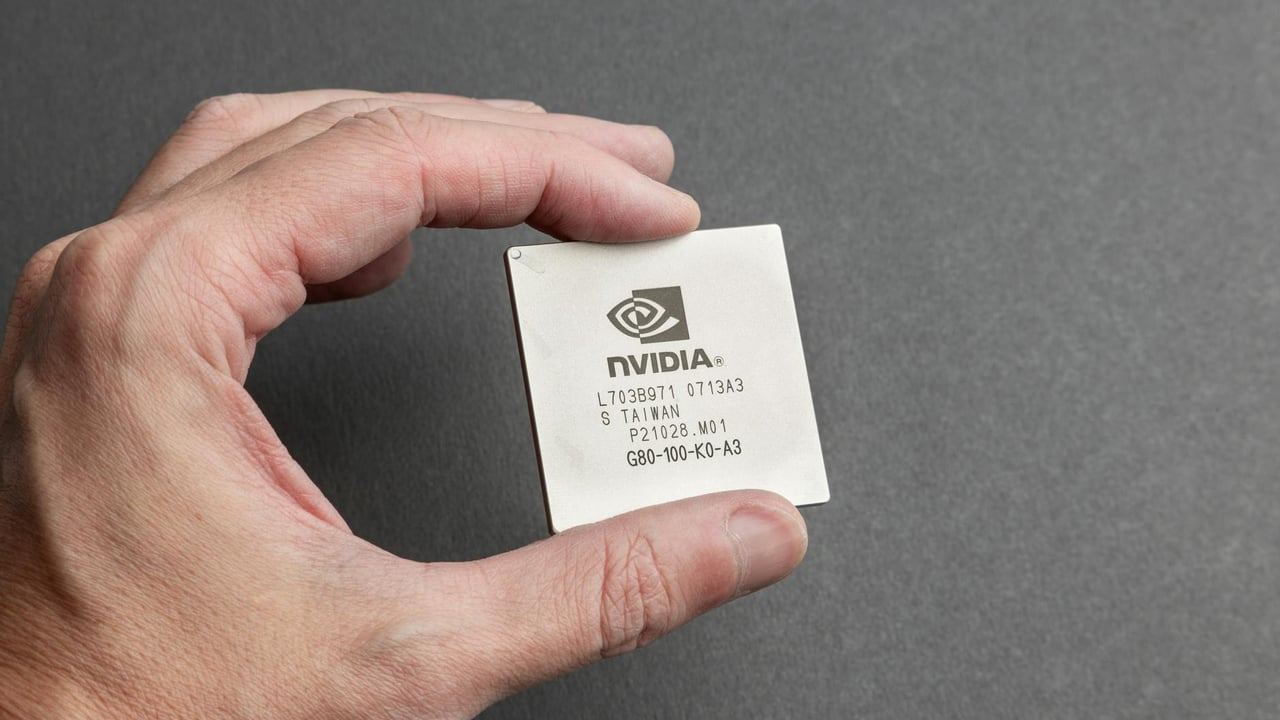
A close-up view of a person holding an Nvidia chip with a gray background.

Key Takeaways

  • 1Kunlunxin has started IPO tutoring for Shanghai’s STAR Market, aiming for an 'A+H' dual listing in 2026.
  • 2A massive 2025 contract with China Mobile served as a commercial turning point, validating the P800 AI chip architecture.
  • 3The company expects to reach breakeven in 2025 with projected revenues exceeding 3.5 billion yuan.
  • 4Baidu remains the controlling shareholder, but the majority of Kunlunxin's revenue now comes from external market clients.
  • 5Analysts project the company's annual revenue could reach up to 8.3 billion yuan by 2026.

Editor's
Desk

Strategic Analysis

Kunlunxin’s dual-listing strategy is a bellwether for the 'de-risking' of China’s AI supply chain. For years, domestic chipmakers struggled with the 'valley of death'—the gap between technical specs and commercial adoption. By leveraging Baidu’s early R&D and then securing massive contracts from state-owned enterprises like China Mobile, Kunlunxin has bypassed this hurdle. The China Mobile deal is particularly significant; it demonstrates a state-led 'pull' mechanism that mandates the adoption of domestic silicon in critical infrastructure, effectively insulating firms like Kunlunxin from US export controls. As Nvidia faces increasing hurdles in the Chinese market, Kunlunxin is positioning itself as the primary domestic beneficiary of the 'xinchuang' (IT innovation) mandate, potentially transforming into a national champion for AI compute.

China Daily Brief Editorial
Strategic Insight
China Daily Brief

Kunlunxin, the artificial intelligence chip affiliate of Chinese search giant Baidu, has officially entered the pre-IPO tutoring phase for a listing on Shanghai’s STAR Market. This move, announced in early May 2026, signals a coordinated 'A+H' strategy, as the company previously filed for a Hong Kong listing earlier this year. The dual-track approach highlights the firm’s intent to tap into both international liquidity and China’s strategic domestic capital pool for high-tech self-reliance.

Originally incubated within Baidu’s Intelligent Chip and Architecture department in 2011, Kunlunxin spun off as an independent entity in 2021 with an initial valuation of approximately 13 billion yuan. While Baidu remains the controlling shareholder with a 57.67% stake, the company has successfully transitioned from an internal cost center to a competitive commercial player. This evolution comes at a critical juncture as China intensifies its pursuit of indigenous alternatives to restricted high-end global silicon.

The commercial trajectory of Kunlunxin shifted dramatically following a watershed procurement deal with China Mobile in 2025. By securing a dominant share of a 5 billion yuan AI server contract, Kunlunxin’s P800 architecture proved it could withstand the rigors of state-level critical infrastructure. This single 'super-order' provided the necessary scale to bridge the gap between laboratory testing and large-scale industrial deployment, setting the stage for the company to achieve breakeven status this year.

Financial projections suggest a robust growth curve, with revenue expected to climb from 2 billion yuan in 2024 to potentially over 8 billion yuan by late 2026. More importantly, over half of the firm’s revenue is now generated from external clients rather than its parent company, Baidu. This diversification of the client base is a vital metric for regulators and investors alike, proving that Kunlunxin is no longer a captive supplier but a standalone contender in the global race for AI hardware supremacy.

Share Article

Related Articles

📰
No related articles found