
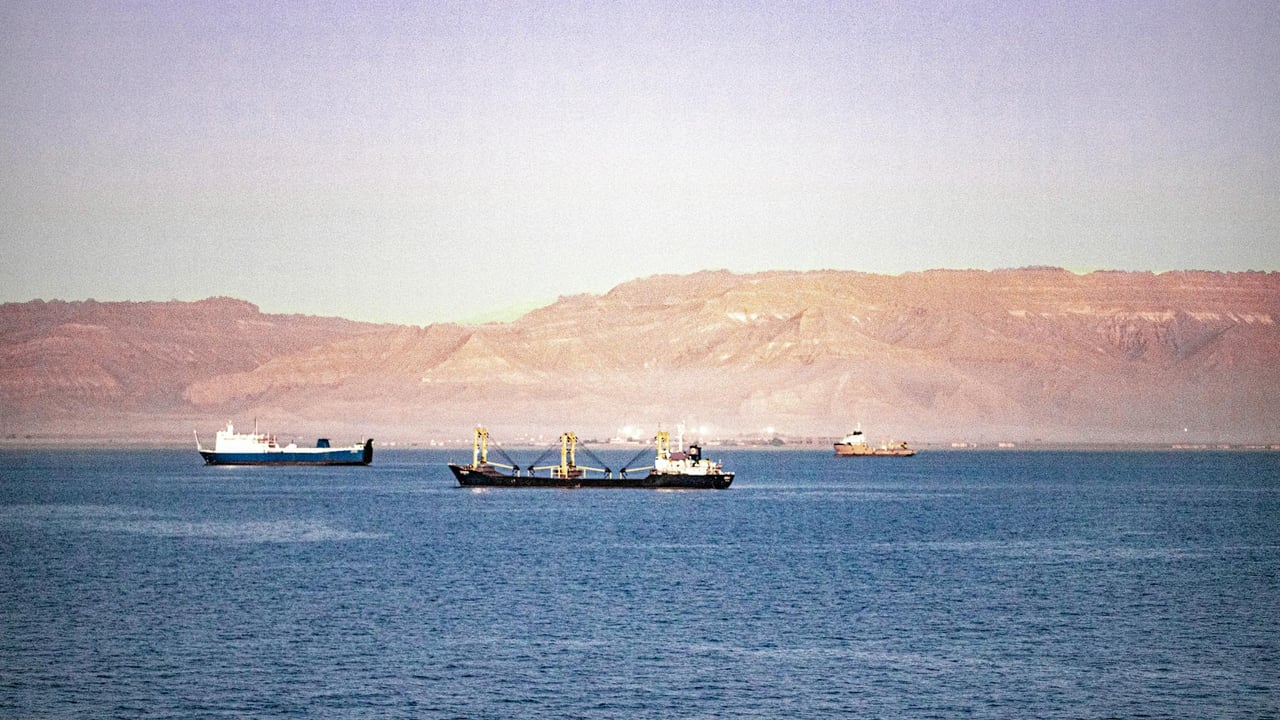

The Strait of Hormuz, a maritime artery through which a fifth of the world’s oil flows, remains a theater of high-stakes brinkmanship. Despite the presence of the USS George H.W. Bush and its specialized electronic warfare units, the geopolitical smoke has yet to clear from this vital waterway. In Tehran, propaganda billboards overlooking Vanak Square boldly proclaim the strait will remain "forever in Iranian hands," underscoring a domestic narrative of unyielding sovereignty.
Washington’s attempt to restore order through the military operation codenamed "Epic Fury" appears to have reached a frustrating plateau. Secretary of State Rubio recently signaled a pivot to a defensive posture, claiming the mission's primary objectives were met and the active combat phase has concluded. Yet, the persistent harassment of commercial shipping and the apparent failure of the subsequent "Freedom Plan" to secure safe passage suggest that the tactical initiative has stalled.
The roots of the current crisis trace back to late February 2026, when joint U.S. and Israeli strikes against Iranian targets prompted Tehran to shutter the Strait. Since then, the Islamic Revolutionary Guard Corps has maintained a rigorous blockade, frequently disputing American claims of successful merchant transits. Ali Akbar Velayati, a senior advisor to Iran’s Supreme Leader, has reiterated that the two nations remain in a state of war, framing the blockade as a core pillar of their "resistance" strategy.
The global fallout of this maritime deadlock is increasingly visible in international energy markets. With the U.S. "Freedom Plan" ending prematurely and no clear diplomatic breakthrough in sight, the prolonged disruption of the Strait is exerting sustained upward pressure on crude prices. For a global economy already grappling with inflationary pressures, the prospect of a long-term energy bottleneck presents a daunting challenge to international stability.