Nintendo’s Price Pivot: A High-Stakes Gamble for the Switch 2 in a Cooling Market

Nintendo is raising the price of its Switch 2 console in Japan to nearly 60,000 yen while lowering its annual sales forecast by nearly 17%. The move reflects a broader industry trend of rising hardware costs and slowing consumer demand in the high-end gaming market.

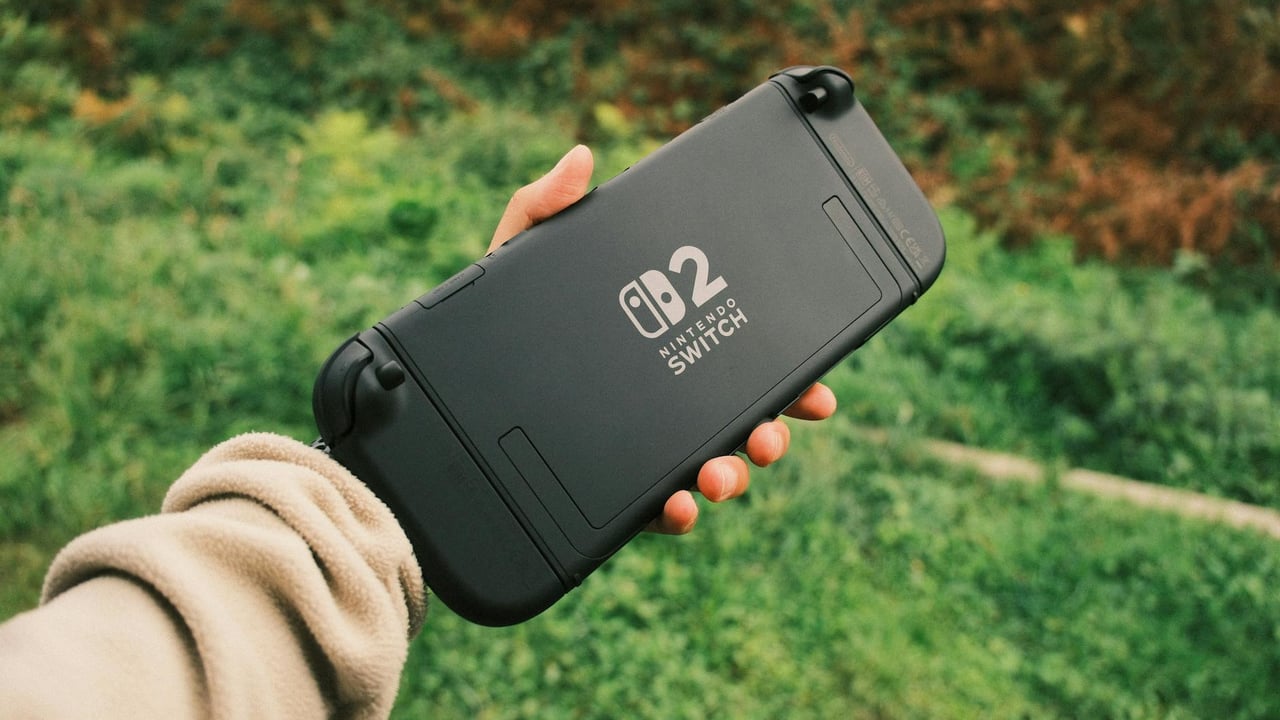
Person holding a Nintendo Switch in a natural outdoor setting, perfect for on-the-go gaming.

Key Takeaways

  • 1Switch 2 price in Japan set to rise to 59,980 yen starting May 25.
  • 2Sales forecast for the new fiscal year revised downward to 16.5 million units, a 16.9% drop.
  • 3The price hike is likely a response to yen volatility and rising component costs affecting the entire gaming sector.
  • 4Competition is tightening as Sony's PS5 nears 100 million units and Xbox faces similar pricing pressures.

Editor's
Desk

Strategic Analysis

Nintendo's decision to hike prices while simultaneously lowering sales targets suggests a strategic shift from growth-at-all-costs to margin protection. For years, the original Switch thrived on a 'sweet spot' price point that made it an impulse buy for families; however, the 59,980 yen tag for its successor pushes the device into the 'premium' territory occupied by Sony and Microsoft. This pricing pivot is likely forced by the prolonged weakness of the Japanese yen and the escalating cost of high-performance components required for modern gaming. In China, where Nintendo’s official presence through Tencent has shown signs of stagnation, this high entry price may further alienate casual gamers, potentially driving them toward mobile platforms or domestic handheld competitors. The success of this strategy now rests entirely on 'software pull'—whether Nintendo's exclusive IP can overcome the 'sticker shock' of the most expensive hardware launch in the company's history.

China Daily Brief Editorial
Strategic Insight
China Daily Brief

Nintendo has announced a significant price hike for its upcoming Switch 2 console in the Japanese market, signaling a departure from its traditional strategy of affordable, family-oriented hardware pricing. Starting May 25, the device will retail for 59,980 yen, a move that comes as the Kyoto-based gaming giant adjusts to a more volatile economic landscape.

The price adjustment is accompanied by a sobering sales forecast for the new fiscal year. Nintendo expects to move approximately 16.5 million units of the Switch 2, representing a 16.9% decline compared to previous projections. This contraction suggests that even the most loyal fanbases are not immune to the inflationary pressures currently squeezing the global consumer electronics sector.

This shift occurs against a backdrop of broader market exhaustion. Recent data indicates that Sony’s PlayStation 5 is nearing the 100-million-unit milestone, yet its growth is slowing significantly. Meanwhile, rumors of price hikes for Microsoft’s Xbox consoles, driven by rising costs in the memory and semiconductor markets, indicate that the entire industry is entering a more expensive, lower-volume phase.

For Nintendo, the challenge is two-fold: maintaining its industry-leading margins while ensuring that its software ecosystem remains accessible. By raising hardware prices, the company is prioritizing the bottom line over sheer market penetration, a risky maneuver that relies heavily on the quality of its first-party titles to justify the premium to its consumers.

Share Article

Related Articles

📰
No related articles found