Pump Pressure: China Hikes Fuel Prices Amid Global Crude Volatility

China has raised domestic gasoline and diesel prices following a period of intense volatility in international crude markets. The adjustment, effective May 8, adds approximately 12.5 yuan to the cost of a full tank for retail consumers, reflecting the NDRC's commitment to market-linked pricing.

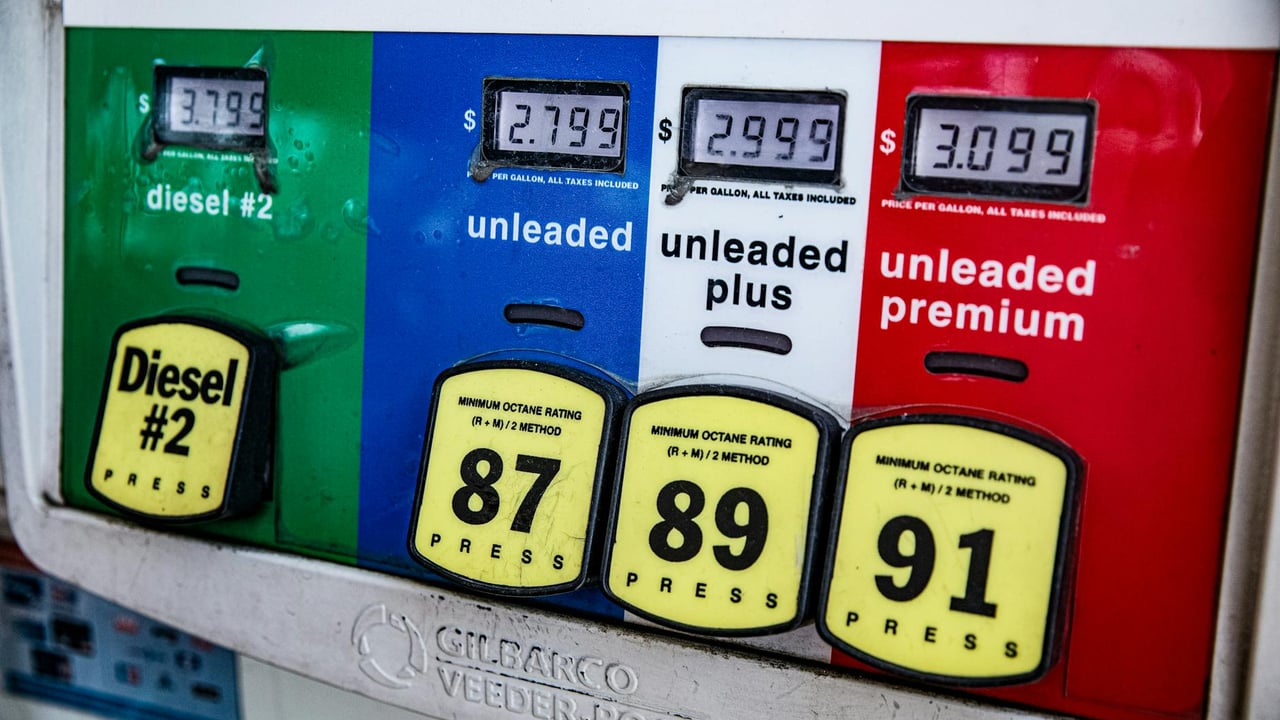
Close-up of a vintage gas pump station showing fuel prices and octane ratings in Los Angeles.

Key Takeaways

  • 1Gasoline and diesel prices increased by 320 yuan and 310 yuan per ton respectively.
  • 2The price hike takes effect from midnight on May 8, 2026.
  • 3Filling a 50-liter tank of 92-octane gasoline now costs 12.5 yuan more.
  • 4The adjustment follows the NDRC's 10-day monitoring window of international crude oil averages.
  • 5Retail price increases for gasoline and diesel range from 0.25 to 0.27 yuan per liter.

Editor's
Desk

Strategic Analysis

The latest fuel price hike underscores the inherent vulnerability of China’s economy to global energy shocks, given its status as the world’s largest oil importer. By allowing domestic prices to track international benchmarks closely, the NDRC balances the need to protect the margins of state-owned giants like Sinopec and PetroChina against the risk of dampening consumer spending. However, as transportation costs rise, the ripple effects may complicate the central government's efforts to stimulate domestic demand, potentially leading to a subtle 'inflation tax' on the logistics-heavy manufacturing sector. This mechanism ensures that energy security is prioritized over price stability, forcing the market to absorb the costs of geopolitical volatility.

China Daily Brief Editorial
Strategic Insight
China Daily Brief

China’s top economic planner, the National Development and Reform Commission (NDRC), has announced a significant upward adjustment in domestic fuel prices, effective midnight on May 8. This move marks a sharp reversal from the previous price cut in late April, reflecting the persistent turbulence in international crude markets. Gasoline prices will rise by 320 yuan per ton, while diesel will see an increase of 310 yuan per ton.

For the average Chinese motorist, this policy change translates to a tangible hit at the pump. Filling a standard 50-liter tank with 92-octane gasoline will now cost approximately 12.5 yuan more than it did yesterday. Retail prices for 95-octane gasoline and 0-diesel are also climbing, with increases of 0.27 yuan per liter respectively, signaling higher logistical costs across the country's transport networks.

The NDRC’s pricing mechanism is designed to track a 10-day rolling average of international benchmarks, providing a buffer against intraday speculation while ensuring domestic prices eventually align with global realities. Despite a slight cooling in global prices over the last few days, the average over the calculation period remained significantly higher than the previous window. This lag highlights the inevitable delay between global market shifts and Chinese consumer impact.

This adjustment arrives at a sensitive time for the Chinese economy as it navigates a complex recovery phase. While higher energy costs can stoke inflationary pressures, the government views these regular adjustments as essential for maintaining the financial stability of its massive state-owned refining sector. As global supply remains tight due to geopolitical tensions, Chinese consumers are being forced to shoulder the burden of a volatile international energy landscape.

Share Article

Related Articles

📰
No related articles found