
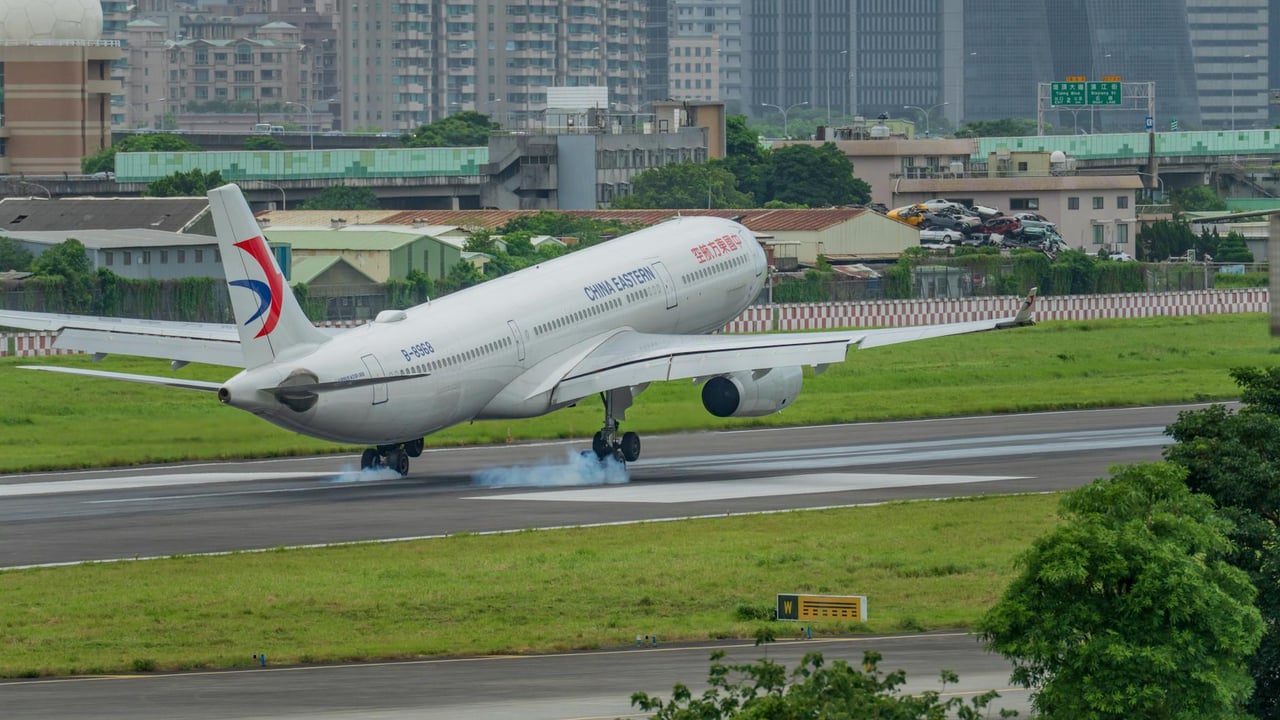

In a move that underscores the ongoing volatility within China’s state-owned industrial complex, prosecutors have formally indicted Liu Shaoyong, the former chairman of China Eastern Airlines, on charges of bribery. The announcement by the Supreme People’s Procuratorate marks the fall of one of the most influential figures in the global aviation sector, following a comprehensive investigation by the National Commission of Supervision. The case has been designated to the Shenyang Municipal People's Procuratorate for trial, signaling the final legal phase of a high-profile crackdown on corporate malfeasance.
The indictment alleges that Liu systematically exploited his senior leadership roles to solicit and accept bribes over a career that spanned the upper echelons of China’s 'Big Three' carriers. Specifically, the charges cover his tenure as General Manager of China Eastern, as well as his time as General Manager and Chairman of China Southern Airlines. Prosecutors contend that Liu leveraged his authority to provide illicit benefits to third parties in exchange for 'exceptionally large' sums of money and assets, a legal classification that often precedes severe sentencing in the Chinese judicial system.
Liu’s downfall is particularly resonant due to his unique status as an industry veteran who successfully transitioned between competing state giants. Having helmed both China Southern and China Eastern during periods of rapid international expansion, his leadership was once seen as a model for the professionalization of China’s state-owned enterprises (SOEs). However, his prosecution suggests that the systemic risks associated with capital-intensive industries like aviation—where massive procurement contracts and infrastructure projects are common—remain a primary target for Beijing’s anti-corruption watchdogs.
This legal action is the latest in a series of purges aimed at purifying the governance of strategic sectors under the leadership of President Xi Jinping. By targeting a figure of Liu’s stature, the central government is sending a clear signal that long-standing industry influence offers no immunity from the current political climate. For international partners and investors, the case highlights the persistent regulatory and political risks embedded in China’s state-led economic model, even within companies that maintain a significant global footprint.