
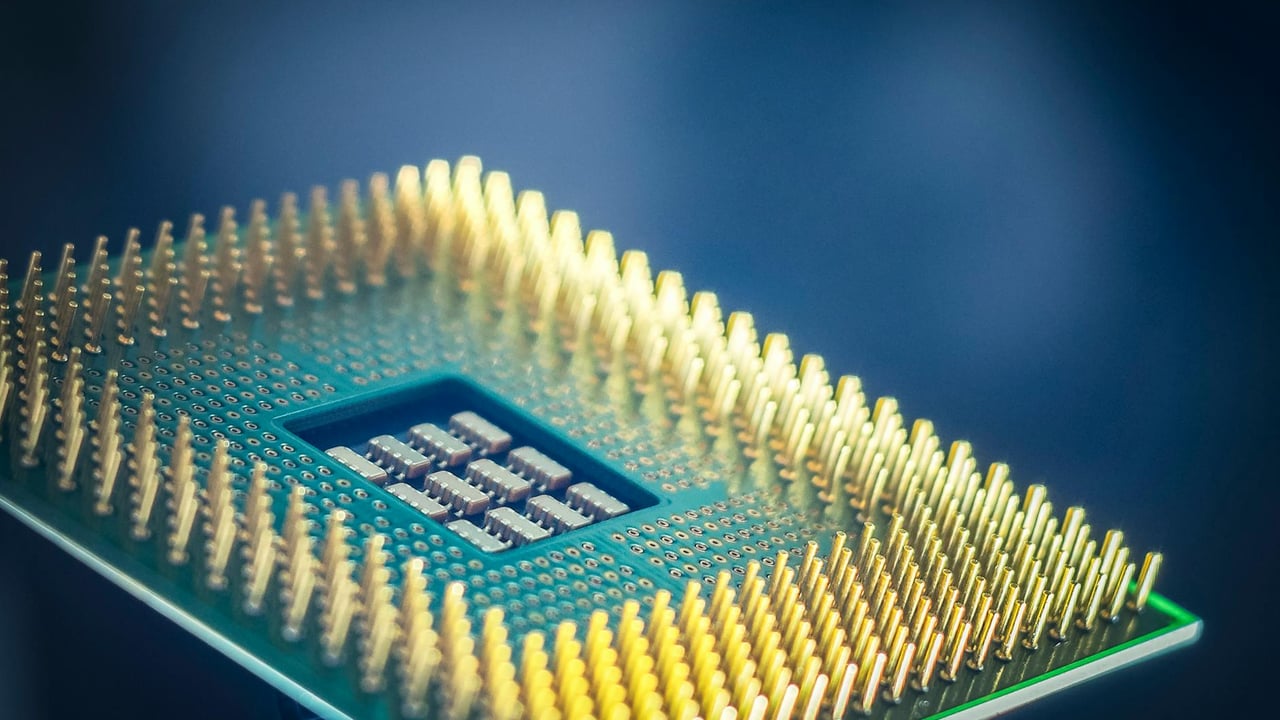

Global tech titans are no longer just customers; they are supplicants in a high-stakes arms race for memory. In a dramatic reversal of traditional supply chain dynamics, giants like Microsoft and Amazon are reportedly offering to fund SK Hynix’s factory expansions and even purchase multi-million dollar ASML lithography machines on the chipmaker’s behalf just to secure future capacity.
This desperation stems from a critical bottleneck in artificial intelligence hardware: High Bandwidth Memory (HBM). As the primary 'architect' of these high-speed data highways, SK Hynix currently controls roughly 57% of the global HBM market, leaving traditional heavyweights like Samsung and Micron scrambling in a race where supply cannot meet even a fraction of the demand.
The financial windfall for SK Hynix is staggering, with operating margins on HBM products exceeding 70%. The company has signaled it will distribute 10% of its operating profit as employee bonuses, leading to projected average payouts of approximately $830,000 per worker by next year. This astronomical figure is equivalent to nearly a decade of salary for a typical Seoul professional.
This newfound wealth is rapidly rewriting the social fabric of South Korea. Once considered a secondary player to the mighty Samsung Electronics, SK Hynix employees have vaulted to the top of the 'dating food chain.' On South Korean social media, company vests have been jokingly dubbed 'matchmaking charms,' with some reportedly appearing on second-hand markets to help non-employees boost their social prestige.
Meanwhile, the atmosphere at Samsung is increasingly tense. While Hynix employees celebrate, Samsung’s labor union is threatening strikes to demand profit-sharing parity. This highlights a rare historical moment where Samsung finds itself both technologically and culturally trailing its smaller rival, as the market shifts from a cyclical 'boom-bust' model to a structural, AI-driven shortage.
Industry analysts warn that this 'super-cycle' could persist until 2030, provided AI capital expenditure remains robust. However, SK Hynix faces the risk of extreme concentration; by tying its fate so closely to HBM, any shift in AI architecture or a cooling of the tech bubble could turn its current supremacy into a precarious liability. For now, however, the world’s most powerful companies remain at the mercy of a single South Korean firm.