Standoff at the Strait: Iran Rejects US-Bahrain UN Resolution as Tensions Flare in the Persian Gulf

Iran has rejected a US-Bahrain-led UN resolution regarding the Strait of Hormuz, calling it a politically motivated move to legitimize US military actions. Tehran insists that ending regional hostilities and lifting blockades are the only ways to restore maritime stability, while Washington threatens further sanctions.

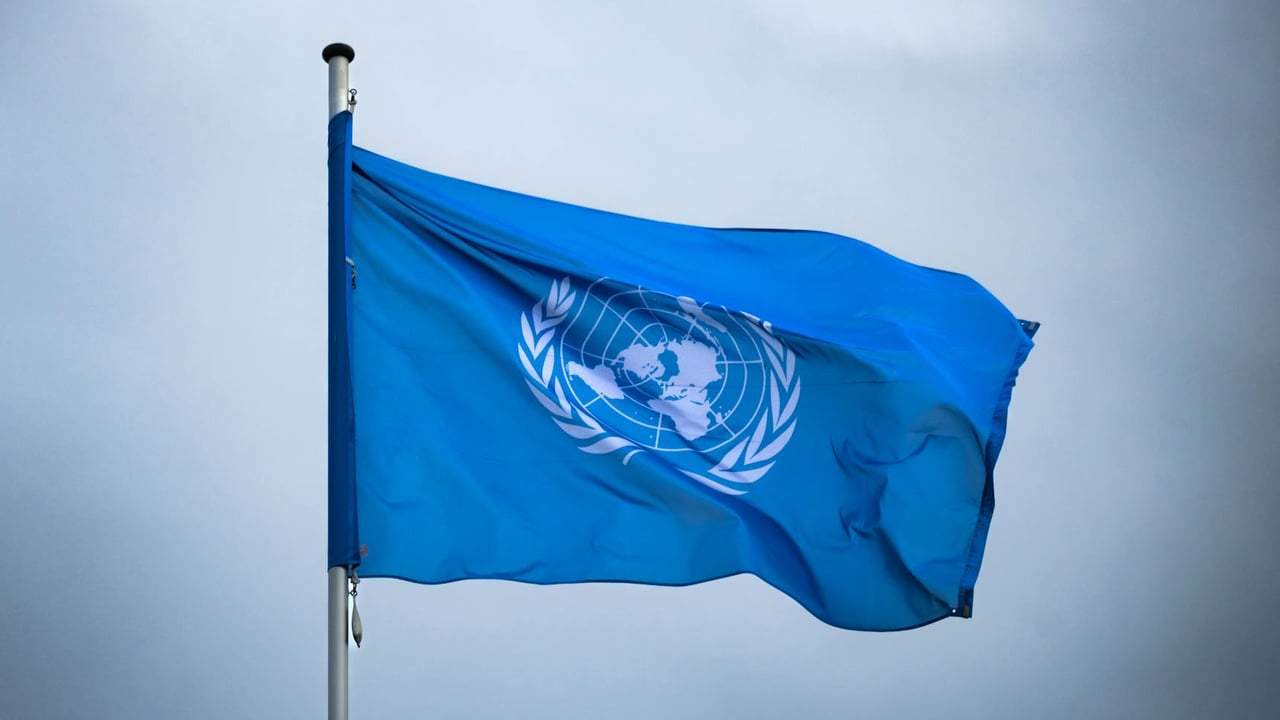
A vibrant United Nations flag on a pole waving against a muted gray sky, symbolizing global unity.

Key Takeaways

  • 1Iran's UN envoy condemned the US-Bahrain draft resolution as flawed and biased.
  • 2Tehran links the maritime crisis to a conflict involving the US and Israel that reportedly began in February 2026.
  • 3The resolution seeks to condemn Iranian interference in the Strait of Hormuz and threatens new sanctions.
  • 4Iran accuses the US of selective invocation of international maritime law to advance its own political agenda.

Editor's
Desk

Strategic Analysis

The escalation at the UN reflects a shift from tactical naval skirmishes to a strategic legal battle over the sovereignty of the Strait of Hormuz. By framing the US-Bahrain resolution as a tool for illegal legitimization, Iran is signaling that it will not back down from its role as the region's primary maritime gatekeeper. The mention of an illegal war starting in early 2026 suggests that the regional security architecture has already fractured significantly, leaving the Security Council paralyzed. For global markets, this diplomatic impasse warns of a new normal where the world's most critical oil transit point remains permanently contested, making energy price volatility a structural rather than a transitory risk.

China Daily Brief Editorial
Strategic Insight
China Daily Brief

The diplomatic arena at the United Nations has become the latest front in a simmering conflict over the world’s most vital maritime artery. Iran’s permanent representative to the UN, Amir Saied Iravani, has officially dismissed a draft Security Council resolution proposed by the United States and Bahrain, labeling it a politically motivated attempt to legitimize Western military interference in the region.

Tehran’s stance reflects a deepening rift over the legal and military control of the Strait of Hormuz. According to Iravani, the resolution suffers from serious flaws because it overlooks the broader geopolitical triggers, specifically what he characterizes as an illegal war launched by the U.S. and Israel earlier this year.

For Iran, the path to de-escalation lies not in UN-mandated enforcement but in a comprehensive cessation of hostilities and the removal of maritime blockades. The Islamic Republic argues that the current crisis is a direct consequence of external aggression rather than its own naval maneuvers or the deployment of mines in the waterway.

Conversely, the United States and its regional allies maintain that international action is necessary to safeguard the freedom of navigation. During a press conference in New York, US officials warned that continued Iranian restrictions on the waterway would trigger severe sanctions, framing the resolution as an essential mechanism to protect global energy security.

This gridlock highlights the inherent weakness of international maritime law when applied to contested chokepoints. While the U.S. invokes the UN Convention on the Law of the Sea to justify its presence, Tehran accuses Washington of selective interpretation, setting the stage for a prolonged and potentially explosive naval standoff.

Share Article

Related Articles

📰
No related articles found