Beijing’s Balancing Act: Iran’s Top Diplomat Seeks Stability Amid Regional Crossroads

Iranian Foreign Minister Abbas Araghchi's visit to Beijing highlights China's strategic effort to mediate Middle Eastern tensions ahead of a planned visit by Donald Trump. Beijing is utilizing its 'four-point proposal' to promote regional stability and protect its energy interests while positioning itself as a diplomatic alternative to the United States.

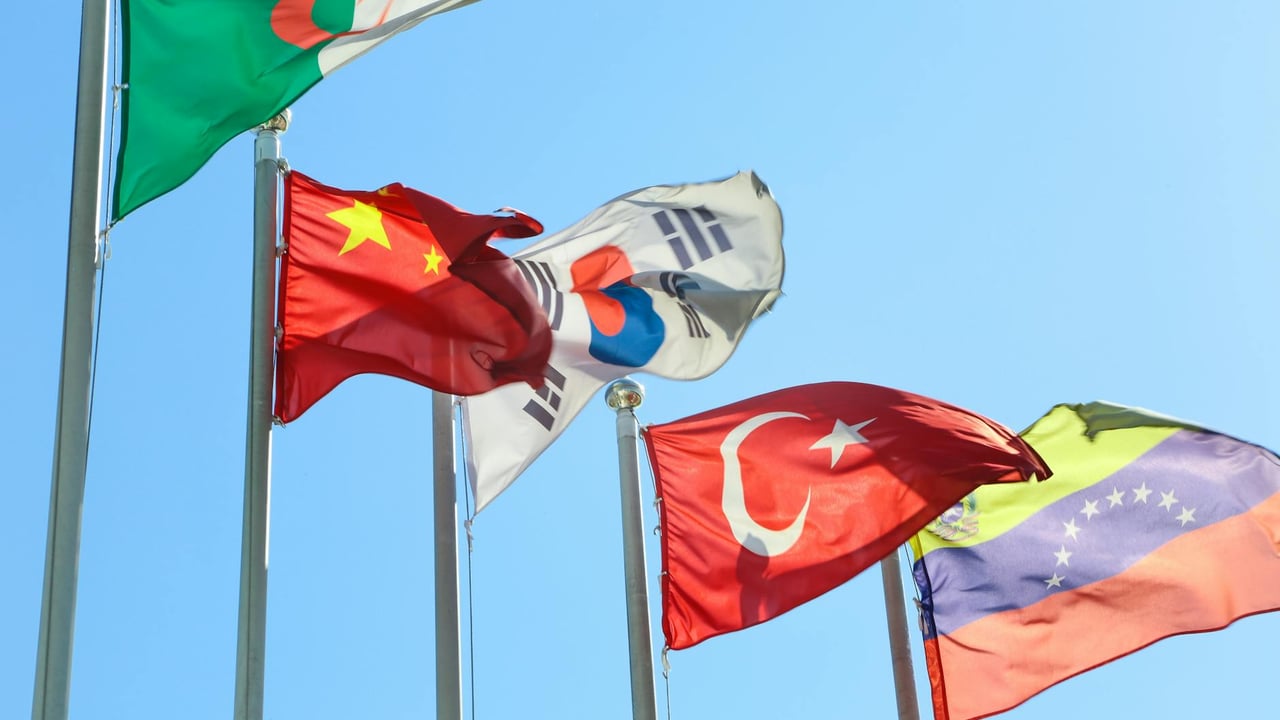
Five national flags from different countries waving on flagpoles under a clear blue sky

Key Takeaways

  • 1Foreign Minister Abbas Araghchi met with Wang Yi to discuss regional security at a 'critical juncture.'
  • 2China is promoting its 'Four Common Homes' vision as a framework for Middle Eastern peace.
  • 3The visit serves to solidify China-Iran ties ahead of a significant diplomatic engagement with Donald Trump.
  • 4Beijing’s primary objective is to 'cool down' the regional situation to protect its economic and energy interests.
  • 5China continues to position itself as a neutral arbiter in contrast to the more interventionist approach of the West.

Editor's
Desk

Strategic Analysis

Beijing is skillfully leveraging its unique position as a major buyer of Iranian oil and a partner to the Arab world to exert 'soft' pressure for restraint. By framing its diplomacy around the 'Global Security Initiative' and Xi's four points, China is attempting to fill a perceived leadership vacuum left by U.S. domestic political shifts. The mention of Trump’s upcoming visit in the press briefing suggests that China is acutely aware that its Middle East policy is a key piece of its broader strategic competition with the United States; securing a stable, pro-China consensus in the Gulf provides Beijing with significant leverage before re-engaging with Washington.

China Daily Brief Editorial
Strategic Insight
China Daily Brief

The arrival of Iranian Foreign Minister Abbas Araghchi in Beijing this week signals a high-stakes effort by China to cement its role as the Middle East’s primary mediator. Meeting with his counterpart Wang Yi, Araghchi sought to navigate a landscape that Chinese officials describe as a 'critical juncture' between war and peace. This diplomatic engagement underscores Beijing's growing confidence in managing the complex rivalries of the Gulf.

Foreign Ministry spokesperson Lin Jian emphasized that China’s involvement is rooted in a desire to 'cool down' tensions and facilitate peace talks. Rather than intervening through military posturing, Beijing is leaning heavily on President Xi Jinping’s 'four-point proposal.' This framework aims to build what China calls 'four common homes' in the Middle East, focusing on collective security and economic development rather than traditional alliances.

The timing of the visit is particularly significant as it precedes a highly anticipated visit to China by Donald Trump. By hosting Tehran’s top diplomat now, Beijing is effectively shoring up its regional interests and demonstrating its influence before a potentially more hawkish American administration takes the stage. This maneuver allows China to position itself as the 'responsible power' providing a stabilizing alternative to Western-led security structures.

For Tehran, the relationship with Beijing remains a vital economic and political lifeline under their long-term strategic cooperation agreement. For China, the stakes are equally high, as any significant regional escalation would directly threaten its energy security and the logistics of the Belt and Road Initiative. The outcome of these talks will likely dictate the level of restraint Iran exercises in the coming months as global eyes turn toward the shifting political tides in Washington.

Share Article

Related Articles

📰
No related articles found