
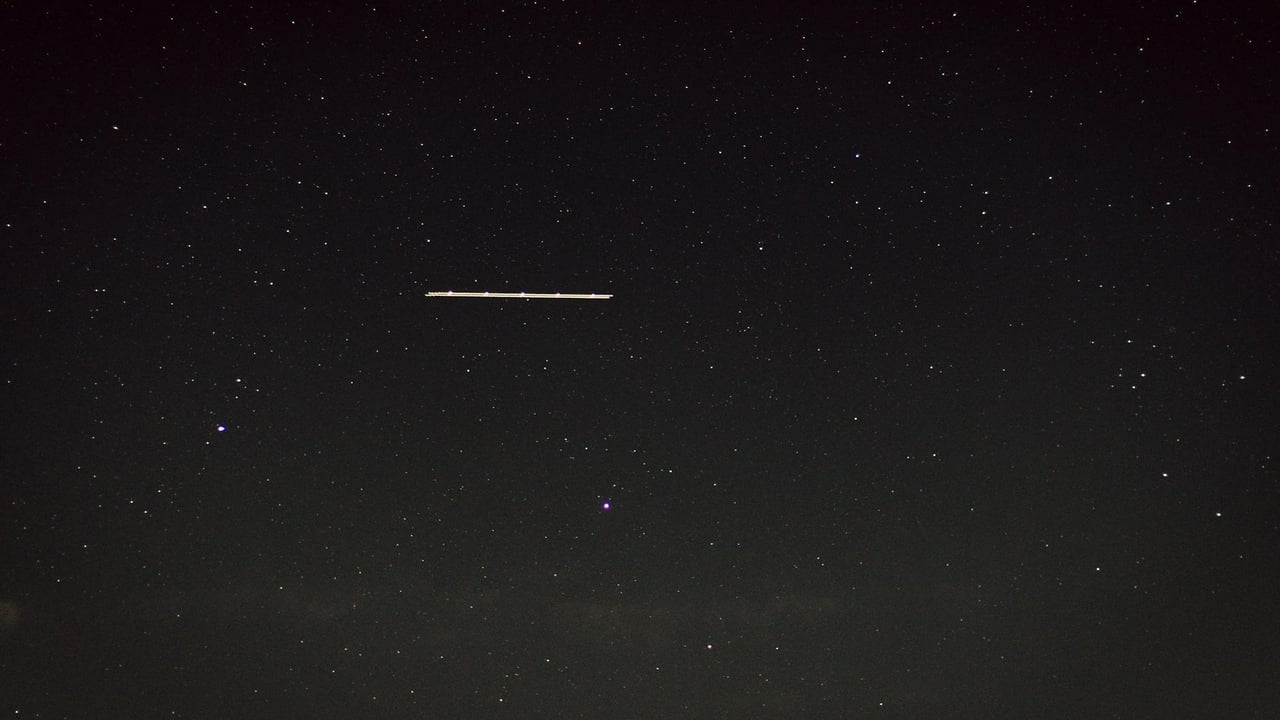

The Pentagon has officially begun a phased release of long-classified documents regarding unidentified flying objects, commonly referred to as UFOs. This initiative marks a significant departure from decades of strategic ambiguity, inviting the global public to scrutinize findings that were once the sole province of military intelligence. Defense officials have confirmed that this first tranche of data is merely the beginning of a sustained effort to declassify anomalous sightings.
This push for transparency stems directly from a February mandate issued by President Trump, who cited overwhelming public interest as the primary driver for the disclosure. By framing the release as a response to popular demand, the administration is attempting to bridge the gap between institutional secrecy and a skeptical electorate. The move is also seen as a way to formalize the study of what the military now calls Unidentified Anomalous Phenomena (UAP).
During the preliminary review process, government personnel reportedly uncovered a series of documents described by the President as particularly compelling. While the contents of these specific files have not been fully analyzed by independent experts, their release suggests a shift in how Washington manages sensitive aerospace data. The Pentagon’s new stance emphasizes that while some phenomena remain unexplained, the act of withholding information may be more damaging to public trust than the revelations themselves.
Historically, the discussion of UFOs was relegated to the fringes of scientific and political discourse. However, in recent years, a bipartisan coalition in Washington has treated UAPs as a legitimate national security concern rather than a collection of urban legends. This latest disclosure is expected to fuel further debate over the origin of these objects, ranging from adversary surveillance technologies to more speculative extraterrestrial hypotheses.