
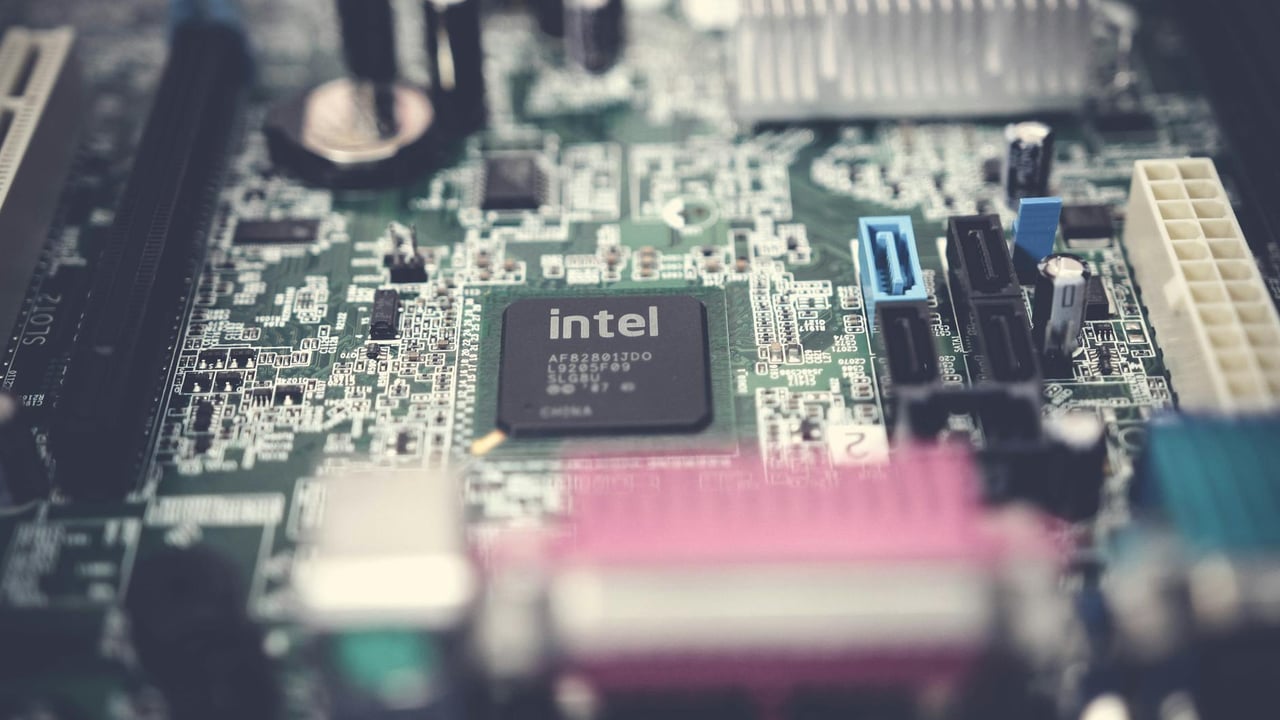

For the past two years, the narrative of the artificial intelligence revolution has been written almost exclusively in the language of GPUs. Nvidia’s meteoric rise suggested that general-purpose processing was taking a backseat to the specialized power of accelerators. However, recent earnings reports from Intel, AMD, and Arm signal a significant pivot in market dynamics. The data center is no longer just a playground for GPUs; CPUs are regaining critical strategic importance as the fundamental 'brains' that manage the complexity of modern AI workloads.
The primary catalyst for this shift is the emergence of AI Agents—autonomous systems designed to execute complex, multi-step tasks rather than just predicting the next word in a sentence. While GPUs excel at the massive parallel processing required for model training, AI Agents require the sophisticated logic handling and sequential task management that only high-end CPUs can provide. This evolution is forcing a reassessment of the entire computing stack, moving away from a GPU-only focus toward a more balanced architectural approach.
This resurgence in demand has triggered a severe supply crunch across the industry. Senior insiders report that the market is currently facing a 'pay-to-play' scenario where even significant price hikes cannot guarantee inventory. Because the CPU remains an indispensable component of the server ecosystem—acting as the orchestrator for every other piece of hardware—the current shortage is threatening to become the next major chokepoint for global AI deployment. The days of treating CPUs as a commodity are effectively over.
In China, this global trend is particularly acute. As domestic firms scramble to build out infrastructure, they are finding that the bottleneck is no longer just about restricted AI accelerators but also about securing the high-performance CPUs needed to run them. Domestic players like Haiguang are seeing their valuations swell as the market realizes that without a robust CPU, the most advanced AI chips in the world are essentially 'brain-dead.' The hardware race is no longer just about speed; it is about the structural integrity of the entire compute environment.