

In a diplomatic tightrope walk that has come to define his administration's Middle East policy, President Donald Trump has characterized recent U.S. military strikes on Iranian assets as a mere "small warning." Despite a direct kinetic exchange that threatened to derail a standing ceasefire, the White House is signaling an intent to maintain a precarious peace. The rhetoric suggests an attempt to project military strength while avoiding the kind of large-scale escalation that could lead to a broader regional conflict.
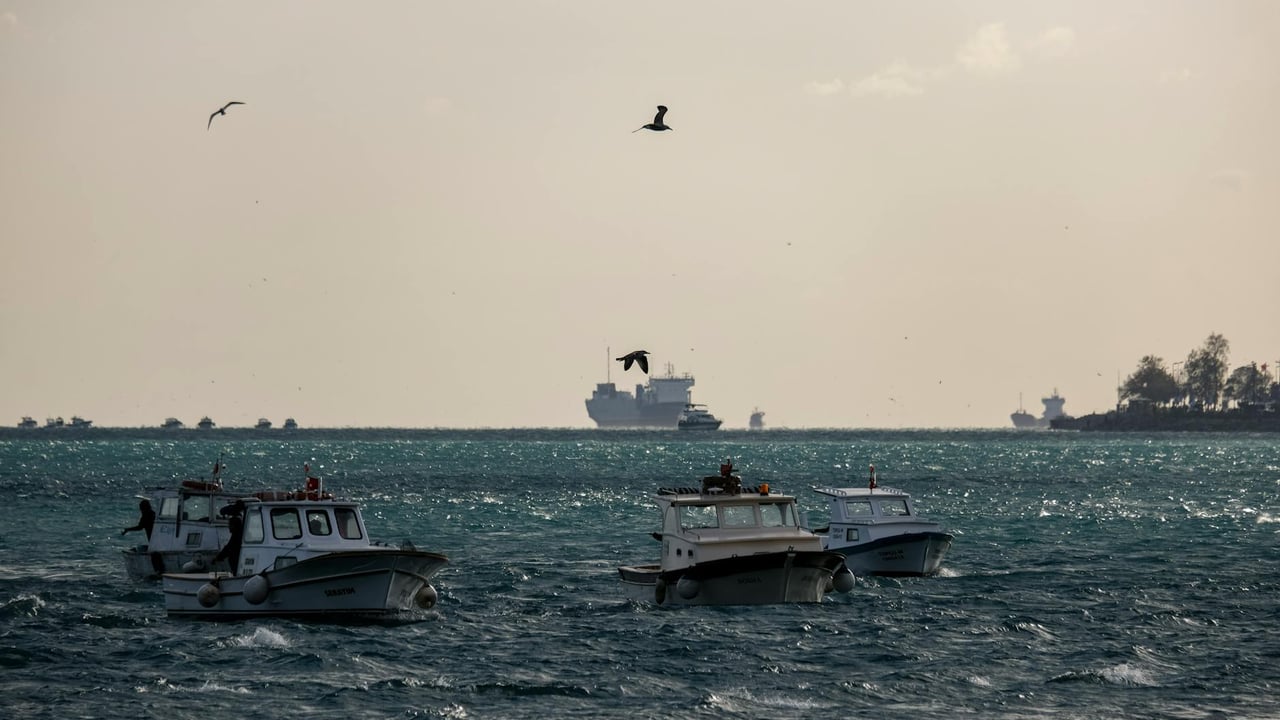
The latest flare-up centered on the Strait of Hormuz, the world’s most vital maritime chokepoint for global energy supplies. Washington justified the precision strikes as a necessary defensive response to Iranian provocations against American naval vessels patrolling the corridor. Conversely, Tehran has accused the United States of initiating the breach by targeting commercial oil tankers, claiming such actions constitute a fundamental violation of the 2026 ceasefire agreement.
By downplaying the strikes as symbolic rather than systemic, Trump is attempting to execute a strategy of controlled escalation. This approach seeks to deter Iranian naval aggression without committing the United States to a renewed "forever war" in the region. However, the success of this strategy hinges on Tehran’s willingness to accept these strikes as a closed chapter rather than a provocation requiring a proportional response.
The tension highlights the fragility of the current geopolitical status quo in the Persian Gulf. As both sides trade accusations of violating international maritime norms, global markets remain on edge. The "small warning" framing serves as a tool for domestic political consumption, yet it does little to address the underlying structural animosity that keeps the two nations on the brink of open warfare.