
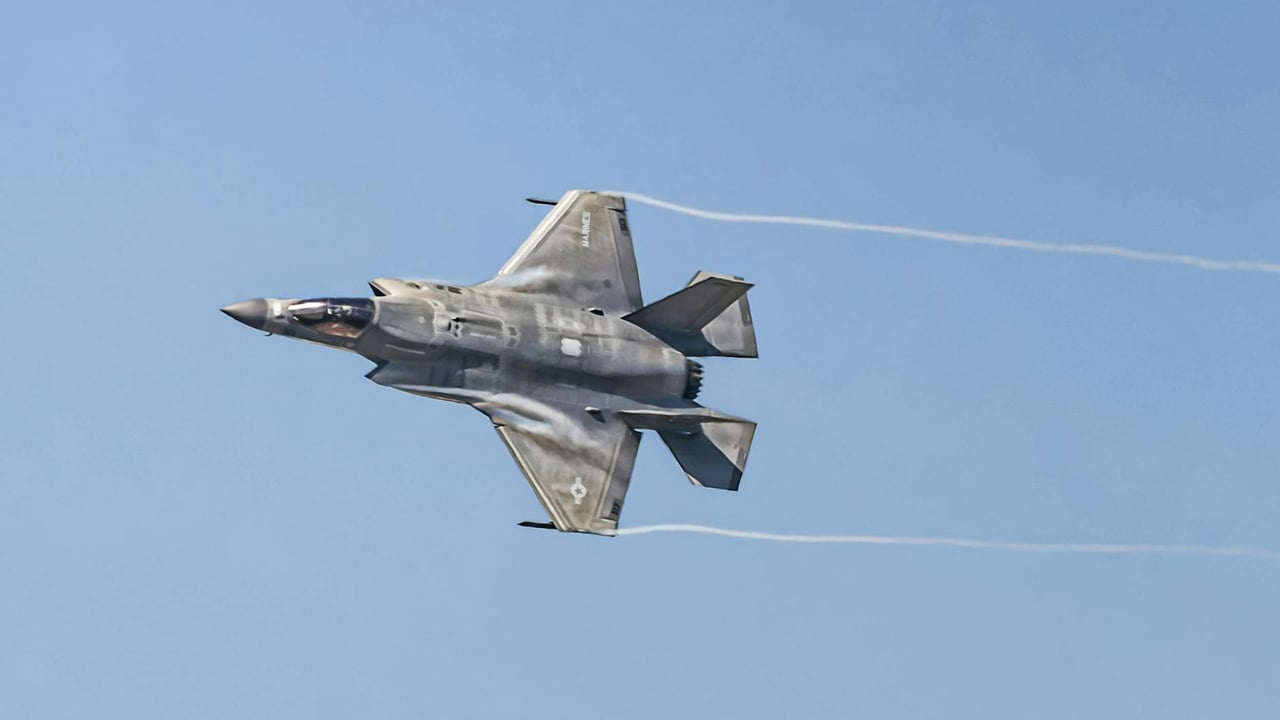

The emergence of a J-35 stealth fighter bearing the tail number "0001" and the prominent English logo of the Aviation Industry Corporation of China (AVIC) marks a significant pivot in Beijing’s defense strategy. While previous iterations of the J-35 have focused on the domestic needs of the People’s Liberation Army (PLA), this latest sighting, broadcast on state television, signals that China is ready to challenge the Western monopoly on fifth-generation fighter exports. The aircraft's appearance in a minimalist light-grey primer, stripped of the standard PLA Air Force "August 1st" insignia, suggests a platform destined for the international stage.
Technical nuances reveal much about the aircraft’s intended role. Military observers have noted that this specific model features a single-wheel front landing gear, a design optimized for land-based runways rather than the reinforced, double-wheel configuration required for the high-impact landings of carrier-borne operations. This indicates that the "0001" jet is likely the land-based export variant, frequently referred to by analysts as the J-35AE, a direct descendant of the earlier FC-31 prototype program that was initially conceived for the global market.
The use of the "0001" designation is particularly telling. Domestic military aircraft in China follow a strictly defined internal numbering system; however, this specific sequence suggests the start of a new, commercial production line independent of the PLA’s own procurement. By branding the aircraft with the English "AVIC" logo and showcasing it in an international marketing context, Beijing is positioning the J-35 as a viable alternative for nations that are either barred from purchasing the American F-35 or are seeking to diversify their strategic partnerships.
This development comes as the global arms market enters a period of intense competition. For years, the Lockheed Martin F-35 has been the only stealth fighter available for export, albeit with significant political and operational strings attached. The J-35AE represents China’s bid to break this hegemony, offering fifth-generation capabilities—stealth, advanced sensors, and high-speed networking—to middle powers in the Middle East, Southeast Asia, and beyond. If the J-35 proves as capable as its marketing suggests, it could fundamentally shift the regional air superiority balance in several contested theaters.