

A striking divergence has emerged between financial euphoria in New York and military friction in the Middle East. While U.S. markets hit record highs driven by an insatiable appetite for artificial intelligence hardware, the Strait of Hormuz—the world’s most critical energy artery—became a theater of sporadic naval combat between Iranian and U.S. forces. This juxtaposition of record-breaking valuations and regional volatility highlights a global economy currently oscillating between a technological 'crash-up' and geopolitical peril.
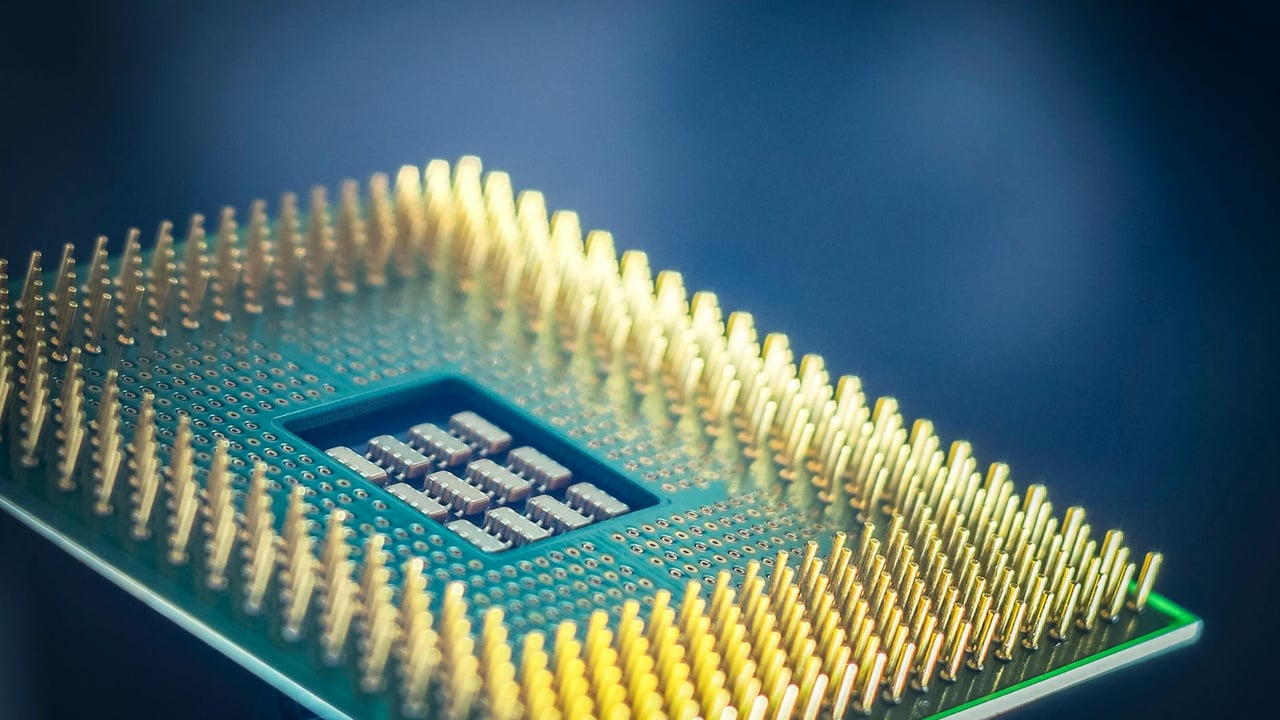
Technological dominance was the primary catalyst for the market's surge, with the Philadelphia Semiconductor Index jumping over 5%. Heavyweights like Micron, Intel, and AMD saw double-digit gains, fueled by a narrative that AI growth remains decoupled from broader macroeconomic headwinds. However, seasoned observers like Michael Burry warn that this 'straight line' ascent mirrors the final, frantic months of the 1999-2000 dot-com bubble, where momentum trading and passive inflows replaced fundamental analysis.
The U.S. labor market continues to provide a sturdy floor for this optimism. April’s non-farm payroll data exceeded expectations, maintaining a steady 4.3% unemployment rate despite the pressures of persistent inflation and high interest rates. This resilience, however, serves as a double-edged sword: it effectively closes the door on near-term interest rate cuts by the Federal Reserve, as policymakers shift their focus entirely to anchoring inflation in an environment of sustained demand.
While investors celebrated, the geopolitical landscape darkened as Iran’s Islamic Revolutionary Guard Corps reported 'sporadic clashes' with U.S. naval vessels in the Strait of Hormuz. Tehran has begun drafting new legislative frameworks to formalize its control over these waters, a move that suggests a long-term strategy to leverage the maritime chokepoint against Western interests. The U.S. Central Command confirmed its destroyers came under fire and retaliated, though Washington maintains it does not seek an escalation into full-scale conflict.
The United Nations has issued an urgent plea for 'maximum restraint,' but the mechanical nature of current market movements suggests that Wall Street has yet to price in a true energy shock. Analysts at Nomura and Goldman Sachs note that current equity gains are largely driven by low-volatility feedback loops rather than fundamental stability. Should the legislative and military tensions in the Persian Gulf disrupt shipping, the 'momentum' strategy that pushed the Nasdaq to its peak could face a violent and sudden reversal.