
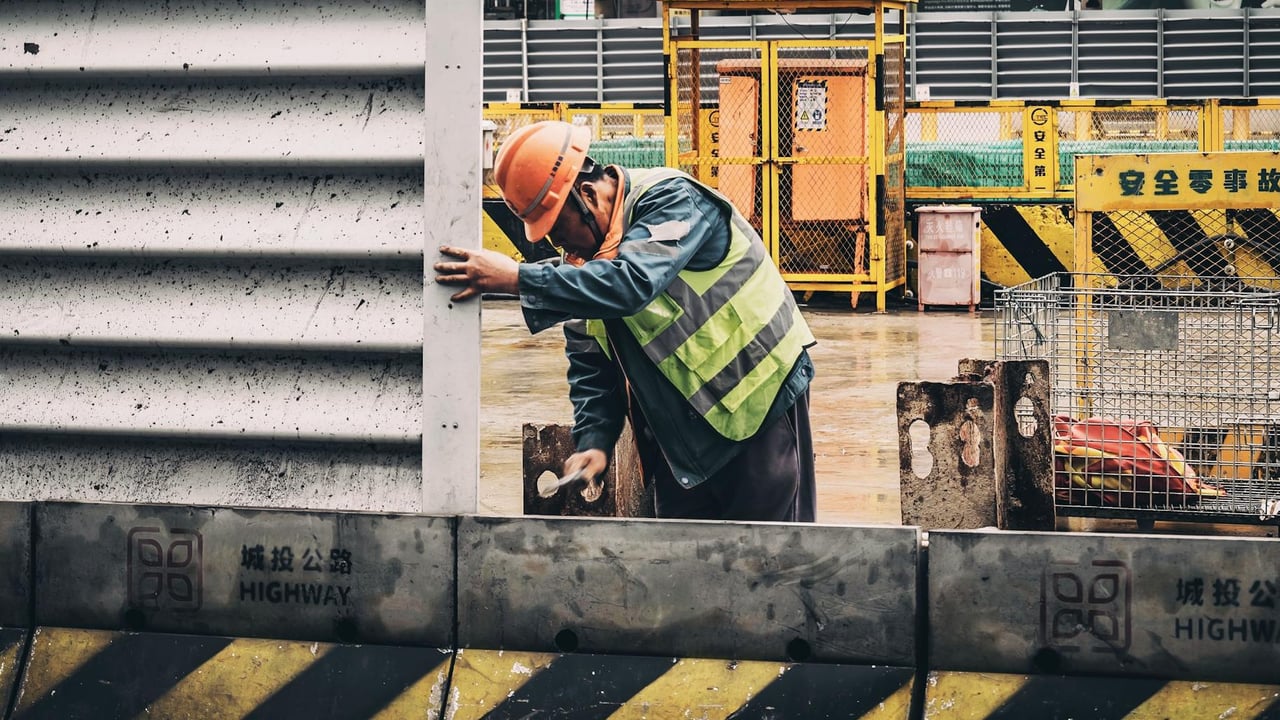

China’s migrant worker population has officially surpassed the 300 million milestone, according to the 2025 Migrant Worker Monitoring Report. While the sheer scale of this mobile workforce remains a pillar of the national economy, the data reveals a fundamental shift: the era of seemingly infinite, young, and cheap labor is over. The workforce is now characterized by rapid aging, a retreat from coastal manufacturing hubs toward inland hometowns, and a decisive move into the service sector.
Demographic aging is the most pressing reality. The average age of a migrant worker has climbed to 43.3 years, with nearly a third of the population now over the age of 50. This 'graying' of the blue-collar workforce presents a dual challenge for Beijing. Older workers, often concentrated in the construction sector, face dwindling physical capacity and limited social safety nets, while the younger 'new generation' seeks digital-native careers rather than traditional factory floor roles.
Geographically, the '孔雀东南飞' (peacocks flying southeast) trend of the past four decades is reversing. More than 60% of migrant workers now choose to work within their home provinces, driven by a narrowing wage gap and the rising cost of living in tier-one coastal cities. As industries migrate to central and western China, provinces like Sichuan and Henan are successfully retaining labor, though local wages—averaging 4,376 RMB—still lag behind the 5,774 RMB earned by those brave enough to venture across provincial lines.
Sectoral shifts further underscore China’s economic transition. Employment in the service industry now accounts for 54.7% of all migrant labor, a trend accelerated by the ongoing contraction of the real estate and construction sectors. While manufacturing saw a slight uptick in labor absorption, the decline in construction jobs reflects the deep structural adjustments in the property market. This shift requires a massive retraining effort to prevent a mismatch between '体力型' (manual-based) workers and the '技能型' (skill-based) demands of a high-tech economy.
Despite improvements in living conditions—with per-capita living space reaching nearly 25 square meters—the 'invisible wall' of the hukou (household registration) system remains. While children of migrants have better access to public education than in previous decades, the gap between the permanent resident urbanization rate and the registered household rate persists. For China to truly unlock the domestic consumption potential of these 300 million people, it must move beyond providing jobs and start providing the full rights of urban citizenship.