
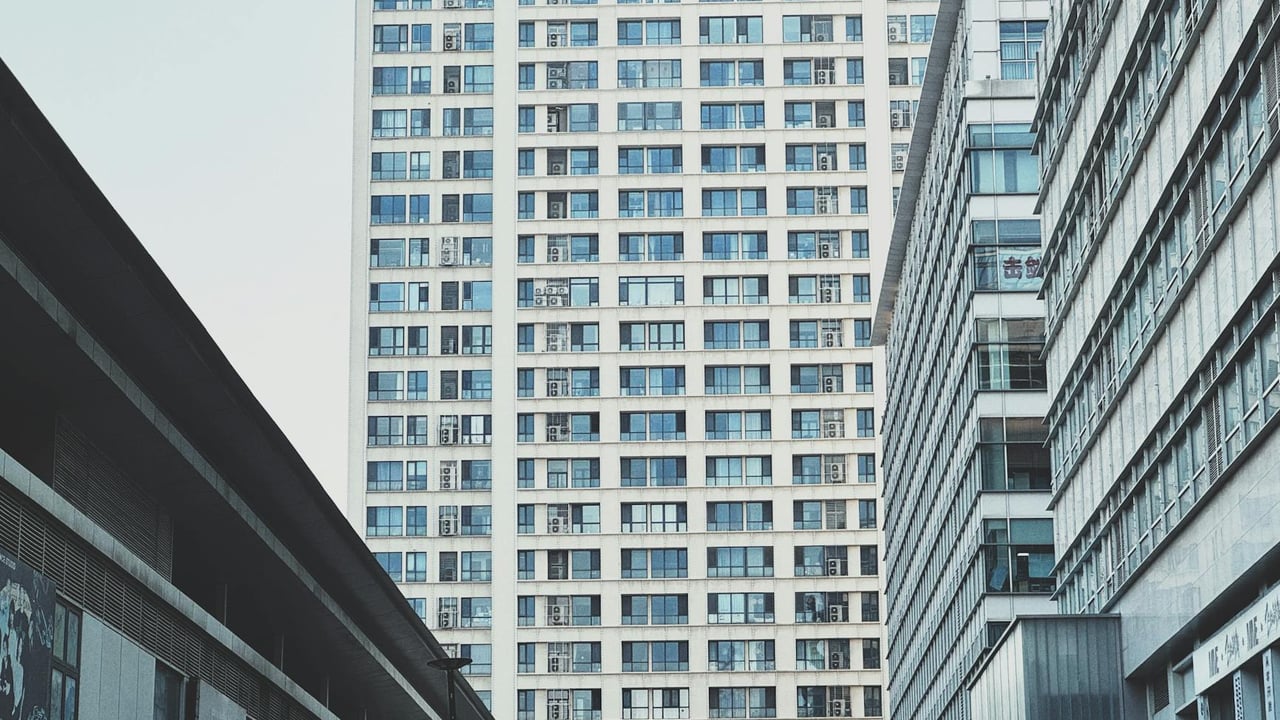

The dismantling of the once-mighty Evergrande empire has moved from corporate balance sheets to the private living rooms of its former elite. In a striking symbol of the company’s spectacular collapse, a 428-square-meter luxury duplex penthouse in Guangzhou belonging to Xia Haijun, the former president of Evergrande Group, has been listed for judicial auction. The property, located in the prestigious Guangzhou Zhuhai New Town district, carries a starting bid of 49.43 million yuan, a steep 30 percent discount from its appraised value of 70.62 million yuan.
Xia Haijun was once the poster child for China’s era of unbridled real estate excess. Frequently referred to as the 'Wage King' or the 'King of Employees,' Xia earned a staggering 270 million yuan salary in 2017, topping Forbes' list of highest-paid CEOs for Hong Kong-listed Chinese firms. As the primary lieutenant to Evergrande founder Hui Ka Yan, Xia was instrumental in the aggressive expansion and capital market maneuvers that eventually led the developer into a record-breaking debt crisis.
The auction, ordered by the Guangzhou Tianhe District People’s Court, follows a series of regulatory crackdowns on Evergrande’s leadership. In March 2024, the China Securities Regulatory Commission (CSRC) leveled devastating charges against the company, alleging that it inflated its revenues by more than $78 billion over two years. Xia was personally fined 15 million yuan and handed a lifetime ban from the securities market for his role in the financial fraud and the deceptive issuance of corporate bonds.
This legal reckoning has pursued Xia beyond mainland China. Before the Guangzhou auction, Xia reportedly attempted to offload high-end real estate in Hong Kong at significant losses as he sought to move assets out of reach. However, the June 2024 application by Evergrande to freeze his assets in Hong Kong courts signaled that the window for quiet exits had closed. The current liquidation of his Guangzhou residence suggests that authorities are now methodically stripping back the personal wealth built during the developer's fraudulent peak.
The duplex, which remains largely uninhabited with only sparse furniture, stands as a hollowed-out monument to a bygone era of property-driven wealth. For international investors, the sale is a reminder of the shifting winds in Beijing, where the focus has pivoted from growth-at-all-costs to a stern 'common prosperity' mandate. The era of the high-flying, untouchable real estate mogul has been replaced by a period of forensic accounting and state-led asset recovery.