
Business & Industry News
Latest business & industry news and updates

China's National Railways Handled 2.69 Billion Tonnes of Cargo Through August
Thermal coal delivery and cross-border freight saw solid volumes amid nationwide logistics coordination.
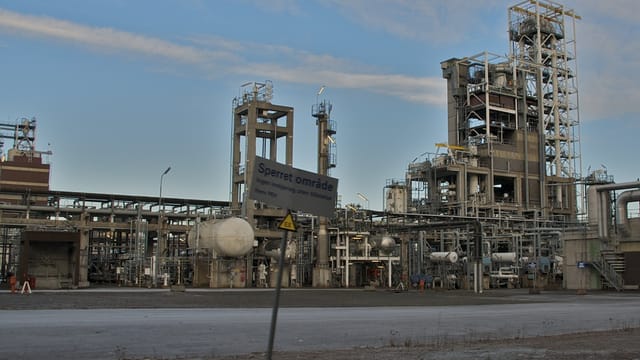
Ningbo Petrochemical Hub Pivots from Fuel to High-End Materials
Facing peak fuel demand, the coastal refining base shifts output toward medical-grade polymers and specialized plastics.

China Electricity Demand Exceeds 1 Trillion kWh as Peak Load Hits Record
August power use rose 1.7% year-on-year, propelled by high-tech manufacturing and EV infrastructure despite a weather-driven drop in residential cooling.

Hainan Explores IP Integration and Digital Formats to Boost Cultural Tourism
Academic salon highlights immersive maritime experiences, gaming exports, and music festivals to diversify the island's tourism economy.

China Software Revenue Reaches 8.98 Trillion Yuan in First Seven Months
Official data shows software industry income grew 9.2 percent, powered by integrated circuit design and cloud computing.

China-ASEAN Expo to Feature All 11 Bloc Nations Following $1 Trillion Trade Milestone
The 23rd regional expo in Nanning will showcase FTA 3.0 initiatives, AI applications, and Timor-Leste's debut as a co-host.

China Invests 690 Billion Yuan in Water Infrastructure in First Eight Months
New major project starts surpassed last year's full-year total, alongside an 80% jump in private capital participation.
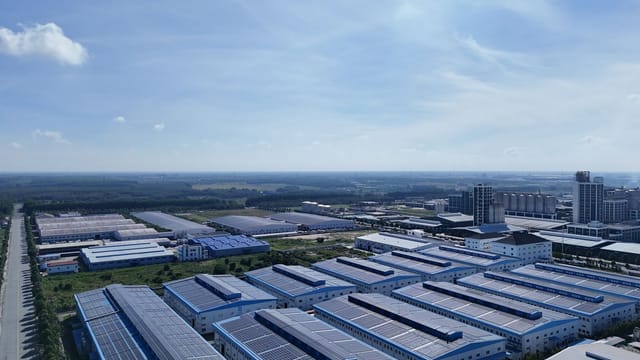
Longi Solar Base Secures Level 4 Intelligent Manufacturing Certification
The company's Wuhu plant deployed seven AI engines across back-contact module production lines, cutting quality defects and energy use.

Heilongjiang Highlights Modern Agricultural Gains and Food Security Role
The northeastern grain powerhouse reports advancements in mechanization, processing, and branding.

China-ASEAN Bilateral Trade Surpasses $1 Trillion Mark in 2025
Two-way trade expanded 7.4% in 2025 and accelerated in early 2026, accounting for more than a fifth of China's total foreign commerce.

China-ASEAN Trade Expands as Bilateral Exchange Tops Trillion-Dollar Mark
Commerce Ministry figures show Southeast Asia accounts for over a fifth of China's trade ahead of the Nanning Expo.

China Auto Profit Shift Signals Supply Chain Value Realignment
First-half corporate earnings reveal higher gains for upstream battery and chip makers as automakers navigate margin pressure.