
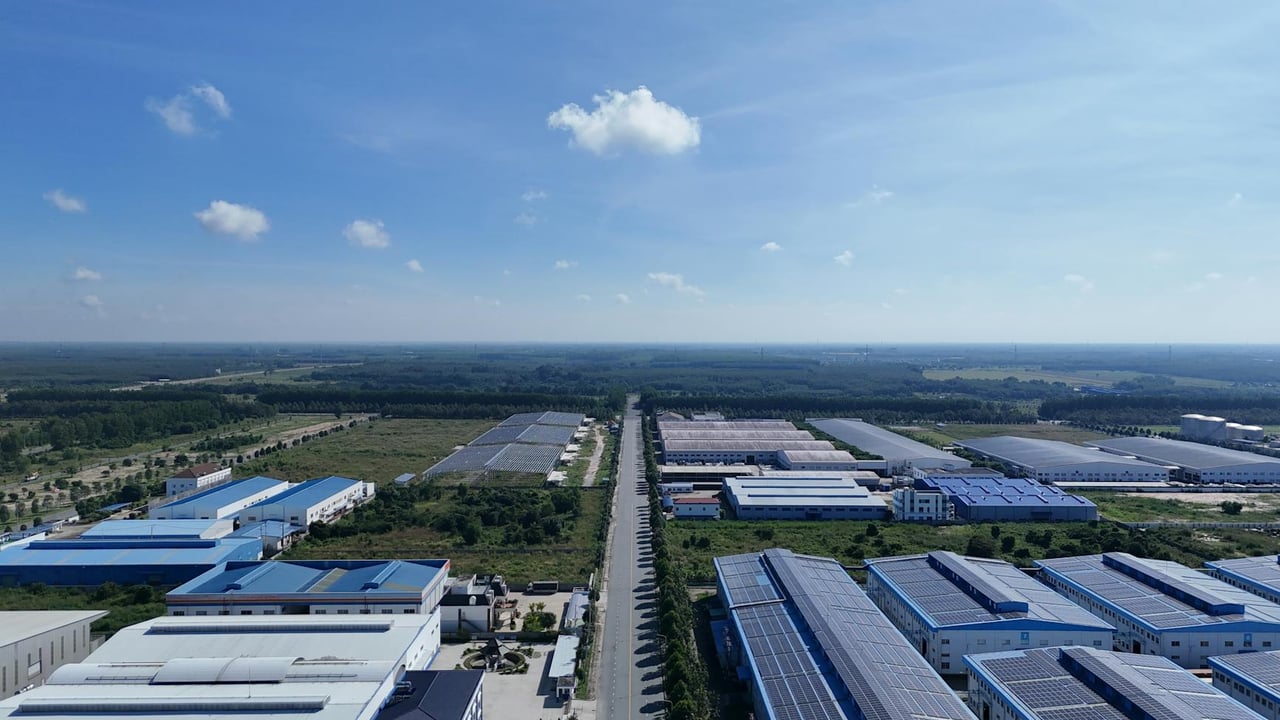

In a period of significant global economic recalibration, Jiangsu province has emerged as a formidable engine of Chinese trade resilience. During the first quarter of the year, the eastern coastal province reported a total import and export value of 1.59 trillion RMB, representing a 17.2% year-on-year increase. This growth rate notably outpaced the national average by 2.2 percentage points, signaling a robust recovery and a strategic pivot toward higher-value manufacturing.
The composition of these exports reveals a fundamental shift in Jiangsu’s economic DNA. High-end electromechanical products now account for more than 70% of the province’s total exports. This transition from labor-intensive goods to sophisticated machinery is not merely a statistical victory; it reflects the successful implementation of what Beijing terms 'New Quality Productive Forces'—an emphasis on technology-led, sustainable industrial growth.
A poignant example of this shift was observed at Nanjing Port, which recently facilitated its first-ever export of complete wind power units. Destined for a national wind power project in Pakistan, these 3,300-ton shipments represent the 'green' dimension of the Belt and Road Initiative. By integrating high-value equipment with streamlined customs protocols, such as 'pre-declaration and appointment inspection,' local authorities have managed to reduce logistical costs by approximately 20%.
Beyond green energy, Jiangsu is also capitalizing on the global artificial intelligence boom. As AI data centers proliferate worldwide, the demand for stable, high-capacity power grids has surged, turning electrical transformers into a critical global commodity. Changzhou, often dubbed the 'World’s Transformer Capital,' saw its transformer exports leap by 60% in the first quarter, surpassing the 1 billion RMB mark.
This success is underpinned by an exceptionally dense and localized supply chain. In Changzhou and the wider Yangtze River Delta, manufacturers benefit from 100% localization of core components like iron cores and coils. This proximity allows for rapid production cycles and high-quality standards that are difficult for international competitors to replicate, further cementing Jiangsu’s role as an indispensable node in the global industrial ecosystem.