
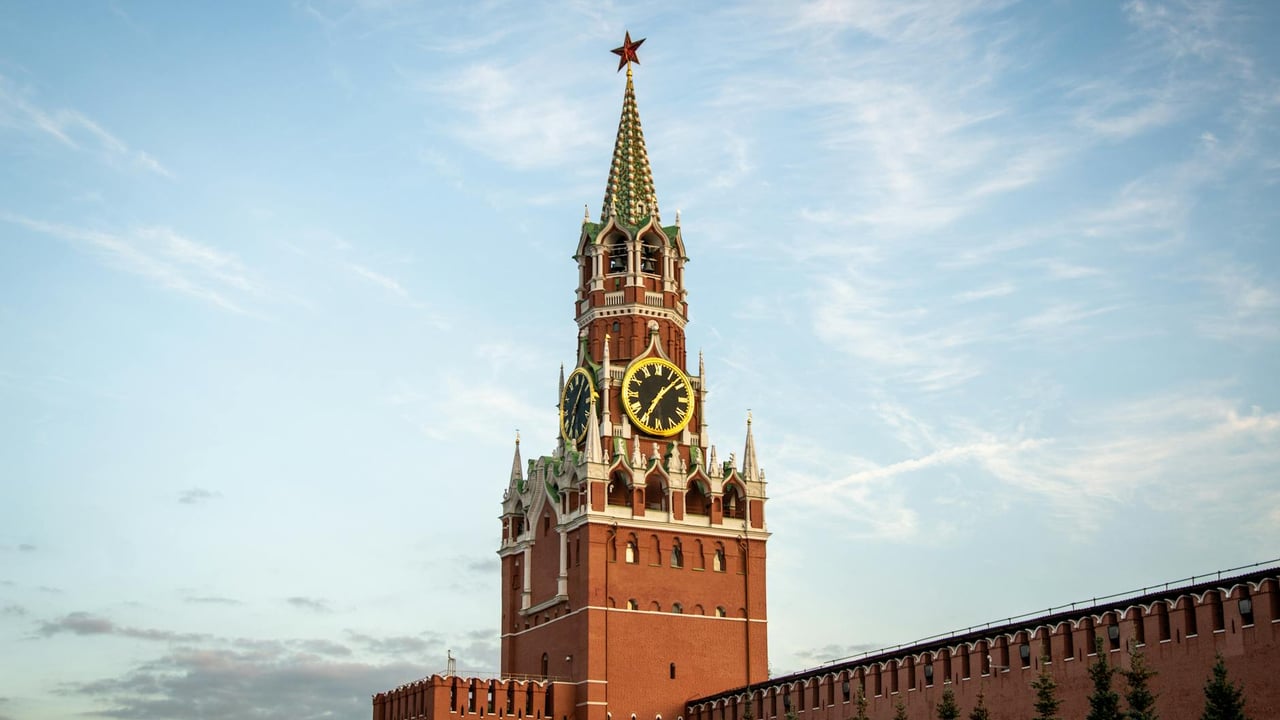

The skies above Moscow’s Red Square transformed into a canvas of military pageantry on May 9, 2026, as the Kremlin marked the anniversary of the Soviet victory over Nazi Germany. The highlight of the aerial demonstration featured a precision 'diamond' formation of Su-30 multirole fighters, showcasing the technical proficiency of the Russian Aerospace Forces. This display of synchronized flight was immediately followed by six Su-25 ground-attack aircraft, which streaked across the capital trailing the white, blue, and red of the Russian national flag.
Beyond the aesthetic spectacle, the 2026 flypast serves as a calculated exercise in strategic communication. By deploying the Su-30—a cornerstone of Russia’s modern aerial combat capability—the Kremlin aims to project an image of a military that remains technologically robust and operationally ready. In a period characterized by shifting global alliances and persistent geopolitical friction, the visual of these advanced jets over the Kremlin is intended to reassure domestic audiences of their security while signaling to the West that Russia’s industrial-military complex continues to function at a high level.
Victory Day has evolved from a somber day of remembrance into the primary vehicle for contemporary Russian nationalism and the glorification of current military might. The specific inclusion of the Su-25s, rugged aircraft known for their durability in theater, adds a layer of symbolism regarding the nation’s grit and endurance. The tricolor smoke serves as the grand finale, binding the historical military victory of 1945 to the political identity of the present-day Russian state.
For international observers, the scale and composition of the 2026 parade are scrutinized for clues regarding the health of Russia's defense sector. The presence of high-performance aircraft indicates that, despite years of international sanctions and supply chain disruptions, the Russian aerospace industry maintains the capacity to field and maintain its frontline assets. As the aircraft banked away from the city center, the message left behind was clear: Moscow views its military history not just as a legacy, but as a living deterrent.