Floating Contagion: Hantavirus Scare Triggers Global Tracking of Cruise Passengers

An international health emergency has been declared as over 30 passengers disembarked from a cruise ship later found to be the site of a Hantavirus outbreak. Global authorities are currently engaged in a high-stakes effort to track these individuals across multiple countries to prevent localized transmission.

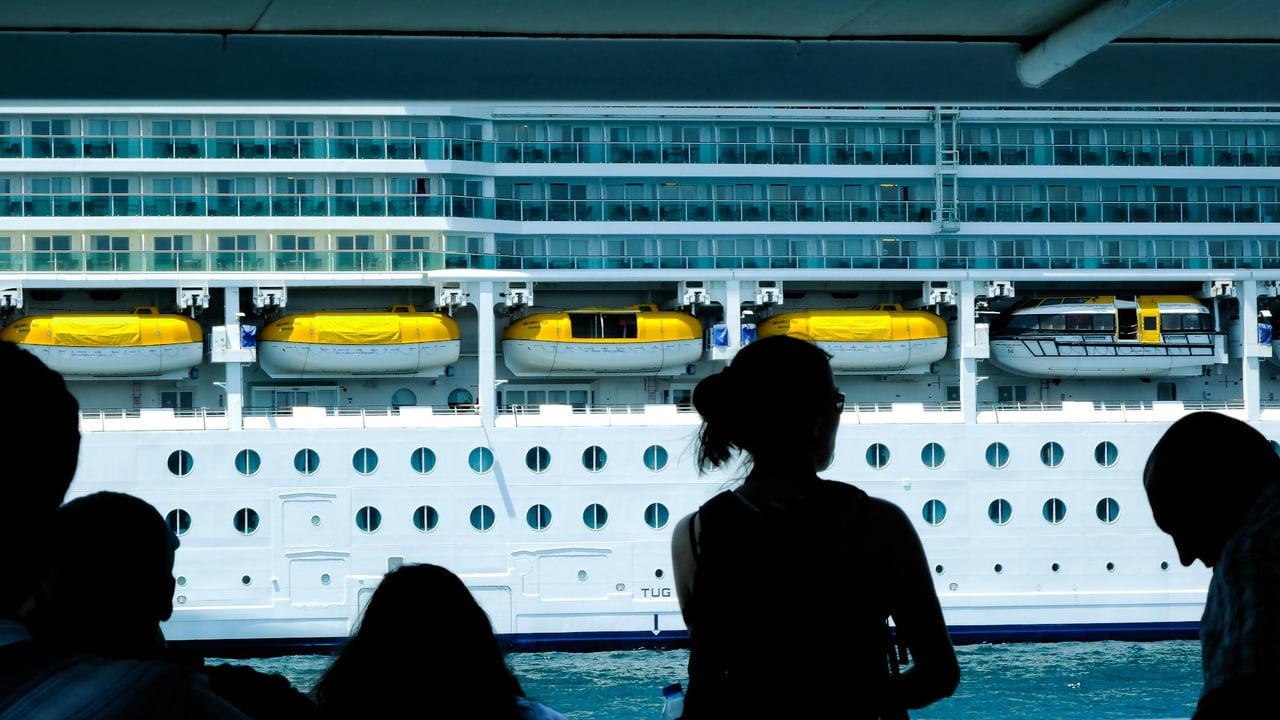
Silhouettes of people observing a large cruise ship from a dock in Türkiye.

Key Takeaways

  • 1Over 30 passengers disembarked from a vessel linked to Hantavirus before detection.
  • 2Multiple countries have initiated emergency contact tracing and health surveillance.
  • 3Hantavirus is a high-mortality, zoonotic pathogen typically spread by rodents.
  • 4The incident exposes ongoing vulnerabilities in cruise ship sanitation and passenger health screening.

Editor's
Desk

Strategic Analysis

This Hantavirus incident represents a critical evolution in maritime biosecurity, shifting focus from common respiratory viruses to more lethal zoonotic pathogens. While the risk of person-to-person transmission for Hantavirus is generally lower than COVID-19, the high case-fatality rate necessitates an aggressive, resource-heavy public health response. This will likely trigger a diplomatic and regulatory ripple effect, forcing cruise operators to adopt more rigorous environmental health standards and integrated cross-border reporting systems. For the global travel industry, it is a 'sobering' reminder that infectious disease management is no longer a temporary post-pandemic measure but a permanent operational pillar.

China Daily Brief Editorial
Strategic Insight
China Daily Brief

The global cruise industry is facing a familiar yet distinct crisis as health authorities launch an emergency manhunt for over 30 passengers who disembarked from a vessel now linked to a Hantavirus outbreak. This international tracing effort spans several borders, highlighting the persistent challenges of managing infectious diseases within the high-density environment of maritime travel.

Unlike the respiratory pathogens that brought the industry to a standstill in recent years, Hantaviruses are primarily rodent-borne and carry significantly higher mortality rates. The primary concern is not necessarily a rapid-fire global pandemic, but rather the severe clinical impact on those infected and the risk of localized clusters if sanitary conditions on the vessel were compromised.

The disembarkation of these individuals at various international ports has triggered a logistical scramble among public health agencies. Officials are now utilizing passenger manifest data and digital tracking to isolate the individuals, many of whom may already be traveling deep within their respective home countries or moving toward subsequent tourist destinations.

This incident serves as a stark reminder of the fragile nature of global travel hubs. As the cruise industry continues its recovery, the emergence of a zoonotic threat on board suggests that screening protocols and environmental controls for pest management may require a significant and urgent overhaul to maintain passenger safety and international biosecurity.

Share Article

Related Articles

📰
No related articles found