

In the escalating aerial arms race over South Asia, the balance of power is increasingly being shaped by the 'all-weather' partnership between Islamabad and Beijing. Recent reports from Pakistani media suggest that pilots from the Pakistan Air Force (PAF) have already begun test flights of China’s J-35 stealth fighter on Chinese soil. This development marks a critical milestone in a proposed $12 billion defense package that promises to redefine Pakistan’s sovereign defense capabilities.
The deal, which reportedly includes up to 40 J-35 airframes alongside KJ-500 airborne early warning (AWACS) aircraft and advanced surface-to-air missile systems, is more than a simple procurement. It represents a comprehensive 'system-of-systems' approach. By integrating the J-35 with existing Chinese-made assets like the J-10C and the JF-17, Pakistan aims to build a cohesive, data-linked network that can counter India’s diversifying fleet of French-made Rafales and indigenous fighter programs.
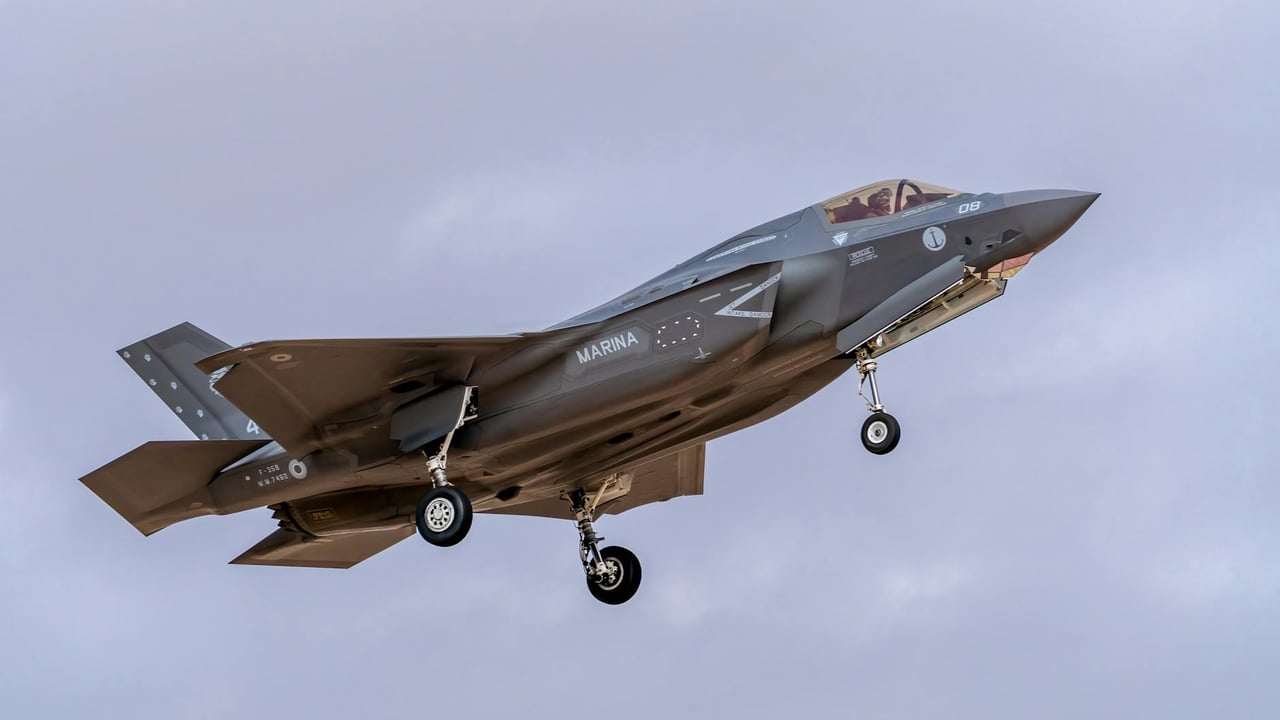
While Pakistani commentators have been quick to frame the J-35 as a superior alternative to the American F-35, such comparisons require a dose of geopolitical realism. The F-35 remains a combat-proven platform with a massive global logistics footprint, whereas the J-35 is still in the process of scaling its operational readiness. However, for Islamabad, the J-35 offers something Washington will not: a top-tier stealth platform without the stringent end-use monitoring or political volatility associated with U.S. defense exports.
There are, however, significant headwinds to this ambitious modernization. Reports of a delivery timeline extending as far as 2032 suggest that the PAF may have to navigate a decade-long gap before its stealth ambitions are fully realized. This delay highlights the complexities of bringing a fifth-generation fighter to the export market, where technical refinement and production capacity must meet the urgent security demands of a nation facing severe budgetary constraints.
Beyond the bilateral relationship, this deal has broader regional implications, particularly involving Saudi Arabia. As Pakistan deepens its military cooperation with the Gulf kingdom, the deployment of Chinese-trained Pakistani pilots and high-tech Chinese hardware creates a triangle of influence. China’s ability to offer high-end, maintainable military technology at a competitive price point is increasingly positioning Beijing as the primary defense partner for the Global South, challenging traditional Western dominance in the aerospace sector.