

China's trade performance in the first four months of 2026 reveals an economy successfully pivoting its export base toward high-value manufacturing. A 14.9% year-on-year surge in total trade volume suggests that the world's second-largest economy is finding fresh momentum, driven not by the labor-intensive goods of previous decades, but by the sophisticated hardware of the digital and green transitions. The total trade value reached 16.23 trillion yuan, with imports showing a particularly robust 20% growth, signaling a recovery in domestic industrial demand.
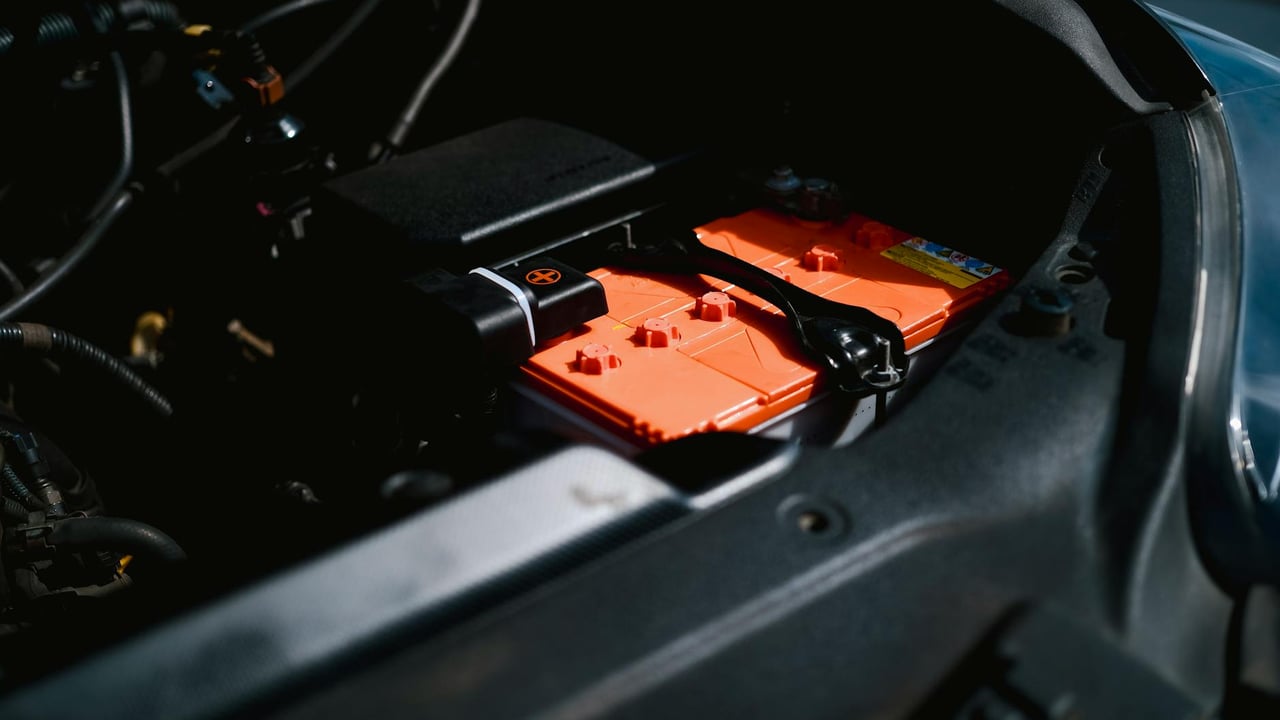
This growth is being fueled by a triumvirate of high-tech exports: electric vehicles, lithium-ion batteries, and industrial robotics. These sectors have transitioned from niche industries into the primary engines of China's trade balance, with electric vehicle exports jumping over 68% and lithium batteries seeing a 43% increase. The data confirms a long-term 'V-shaped' recovery for the battery sector, which had struggled in previous years but has now found a stable and lucrative foothold in the global supply chain.
Global market dynamics, specifically the artificial intelligence frenzy, have acted as a critical catalyst for this performance. The surge in AI investment worldwide has spiked demand and prices for chips, computer components, and electronic sensors. China’s manufacturing ecosystem has proven indispensable in meeting this demand, allowing the country to capture the upside of the global tech investment cycle. This synergy between domestic manufacturing upgrades and global tech trends has helped Chinese exports exceed market expectations.
External geopolitical factors have also played a surprising role in the trade spike. Analysts suggest that instability in the Middle East has prompted overseas markets to engage in 'pre-emptive stocking' to hedge against potential shipping disruptions. This inventory build-up, combined with the structural shift toward green technology, has created a buffer against broader global economic cooling, ensuring that Chinese ports remain busier than ever.