

The latest 2025 financial disclosures from China’s A-share market have exposed a profound structural schism within the world’s second-largest economy. While high-end manufacturing and green energy sectors are entering a robust phase of active restocking, the traditional engines of growth—real estate and infrastructure—are mired in a cycle of inventory gluts and shrinking future revenue. This divergence is no longer a subtle trend but a stark reality reflected in every major financial metric from inventory turnover to contract liabilities.
At the vanguard of the recovery is Foxconn Industrial Internet, which reported a staggering 65.6 billion RMB increase in inventory, signaling a surge in demand for electronics and AI-related hardware. Other industrial titans like CATL and China State Shipbuilding are following suit, leveraging state-driven industrial upgrades and a recovering global supply chain. This 'active restocking' phase suggests that the manufacturing sector is positioning itself for a period of sustained high-intensity output and market expansion.
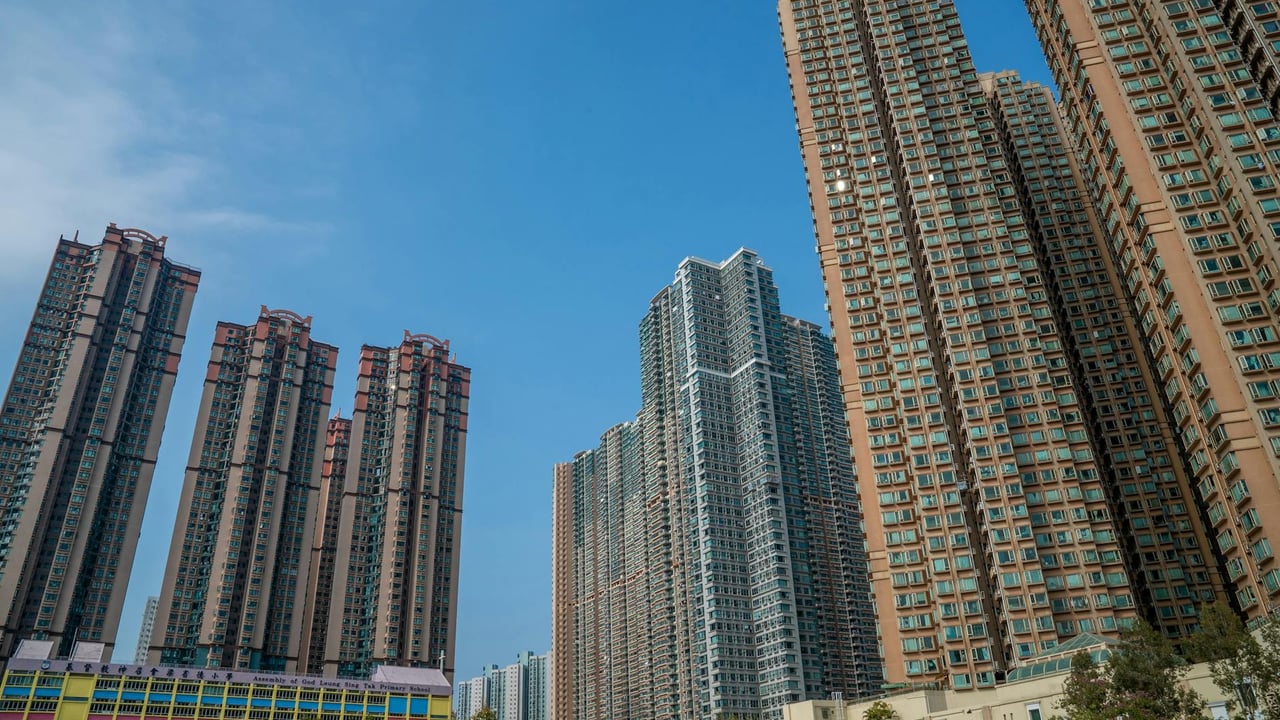
Conversely, the real estate sector is grappling with a catastrophic erosion of its financial foundation. Contract liabilities, a leading indicator of future revenue, have plummeted across the industry, with giant Vanke reporting a reduction of nearly 100 billion RMB. This trend suggests that the property market is not merely slowing down but is undergoing a painful deleveraging process that will constrain cash flows for years to come. In many cases, what remains as 'inventory' on developers' books is not a strategic asset but a stagnant liability.
Perhaps the most alarming data point lies in the quality of accounts receivable among struggling firms. Some distressed entities, particularly those under 'Special Treatment' (ST) status, are reporting receivables that are more than 17 times their annual revenue. This suggests that their paper profits are almost entirely decoupled from actual cash inflows, raising the specter of a widespread liquidity crisis among smaller, debt-burdened players in the infrastructure and environmental services sectors.