
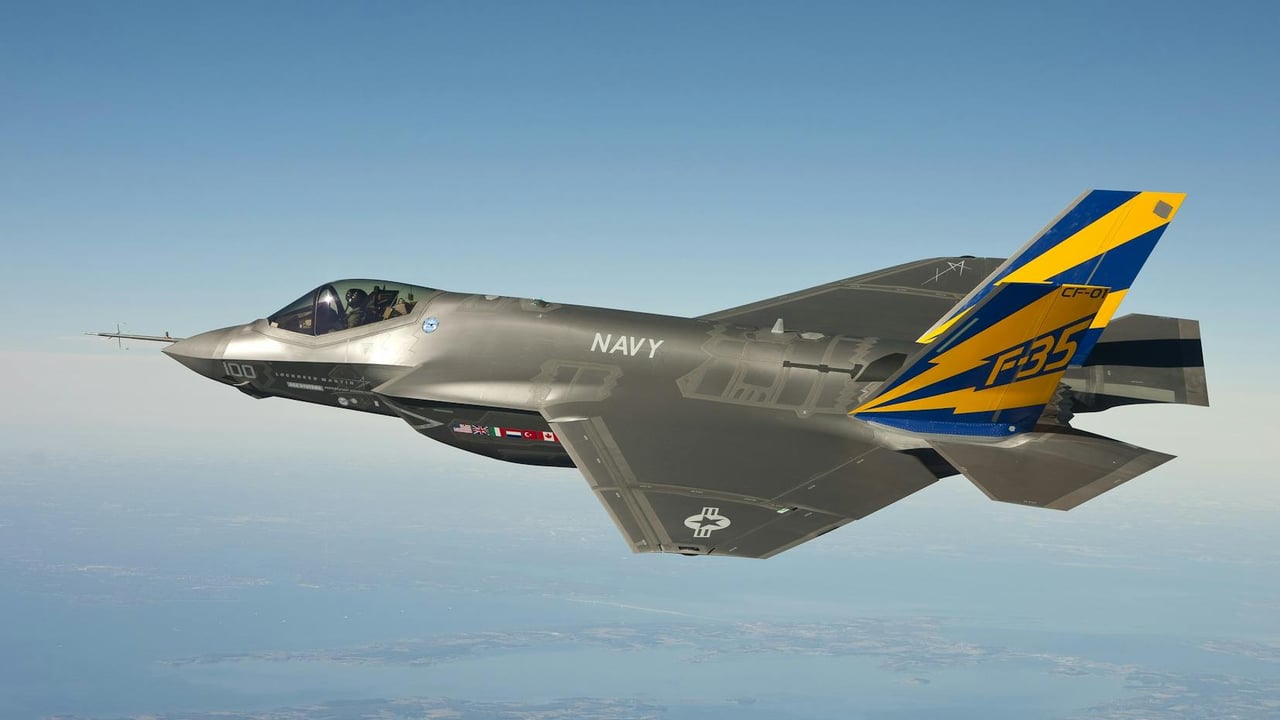

Pakistan’s formal confirmation that it will acquire China’s J-35 stealth fighter marks a watershed moment for the South Asian security architecture. Long characterized by a quantitative and qualitative tug-of-war, the regional air power balance is shifting as Islamabad secures fifth-generation capabilities well ahead of its neighbor. This move, reported by international outlets following a formal announcement in early May, signals a major escalation in the regional arms race.
The deal, which also includes an expanded fleet of J-10C fighters, solidifies the deepening "iron brotherhood" between Beijing and Islamabad. By integrating the J-35—a platform designed with low-observable characteristics and advanced sensor fusion—Pakistan is transitioning from a traditional defensive posture to a more sophisticated, offensive-capable aerial force. This procurement reinforces China’s role as the primary guarantor of Pakistan's military modernization.
For New Delhi, the development serves as a strategic alarm bell that challenges its long-held regional dominance. While the Indian Air Force (IAF) currently operates a formidable fleet of French-made Rafales and Russian Su-30MKIs, these remain fourth-generation platforms. Despite their modernization, they lack the stealth advantages inherent in the J-35, potentially making them vulnerable in a high-tech contested environment.
India’s indigenous fifth-generation program, the Advanced Medium Combat Aircraft (AMCA), remains years, if not a decade, away from operational reality. This delay creates a critical "vulnerability window" that Indian defense analysts fear could be exploited. Consequently, internal pressure is mounting for the Indian government to reconsider its "Make in India" timeline in favor of urgent off-the-shelf procurements from Russia or the United States.
Beyond the immediate border tension, Pakistan is increasingly projecting its air power into the Middle East, evidenced by recent joint exercises and deployments in Saudi Arabia. The acquisition of the J-35 is not merely about local containment but also about enhancing Pakistan's status as a significant security partner in the broader Islamic world. This broader ambition suggests that the ripples of this deal will be felt well beyond the borders of the Indian subcontinent.