
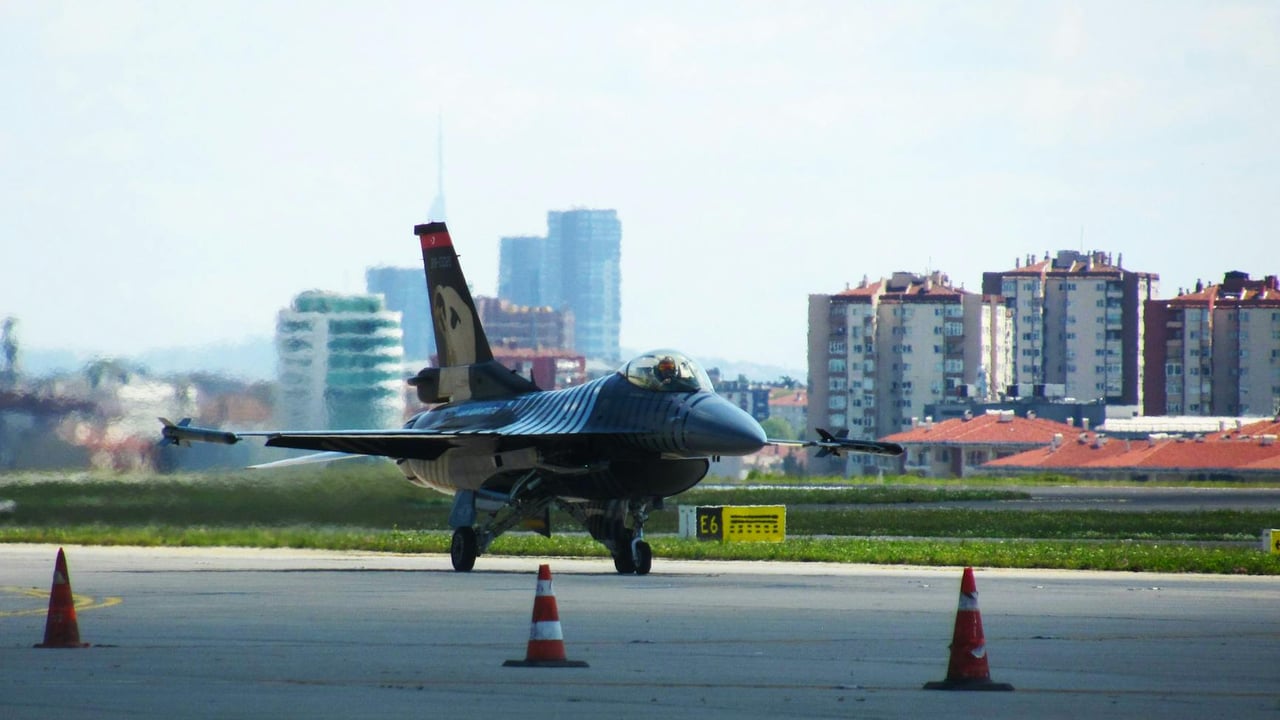

Turkey has reached a pivotal milestone in its decades-long pursuit of defense independence by formalizing an order for the first twenty units of its homegrown fifth-generation fighter, the Kaan. This procurement agreement between the Turkish Presidency of Defense Industries and Turkish Aerospace Industries marks the beginning of a multi-phased effort to modernize the nation's aging air fleet. The initial batch, designated as the Block 10 configuration, represents the first step toward a broader fleet expansion planned for the coming decades.
The development of the Kaan is a direct response to the looming obsolescence of Turkey's F-16 Fighting Falcons, which are slated for phased retirement starting in the 2030s. By investing in indigenous stealth technology, Ankara is seeking to mitigate its historical reliance on Western hardware and avoid the diplomatic vulnerabilities that come with foreign procurement. The twin-engine, multi-role aircraft is designed to excel in both air-to-air and air-to-ground operations, positioning it as the crown jewel of Turkey's domestic military ecosystem.
International interest in the platform is already yielding significant dividends for the Turkish defense sector. President Recep Tayyip Erdoğan recently confirmed a landmark export deal with Indonesia, which has committed to purchasing 48 Kaan fighters. This agreement underscores the potential for Turkey to emerge as a major alternative supplier of advanced military aviation technology for middle powers that may face political or budgetary hurdles when dealing with the United States or Europe.
While the Kaan’s successful maiden flight in early 2024 boosted national morale, the path to full operational capability remains steep. Integrating sophisticated avionics, stealth coatings, and domestic engines is a massive technological hurdle for any nation. However, if Turkey can sustain its current momentum, the Kaan will not only secure Turkish airspace but also serve as a potent tool for geopolitical leverage across Eurasia and Southeast Asia.