

The long-standing aerial status quo in South Asia is on the verge of a seismic transformation as Pakistan officially confirms the procurement of China’s fifth-generation J-35 stealth fighter. This move, recently signaled by Islamabad, marks a milestone in the deepening defense partnership between the two nations and signals a departure from the traditional dominance of the Indian Air Force. By integrating advanced low-observable technology, Pakistan is positioning itself to leapfrog into the era of stealth warfare, fundamentally challenging the regional air superiority India has enjoyed for decades.
While India currently maintains a qualitative edge with its fleet of French-made Rafales and Russian-origin Su-30MKIs, these fourth-generation-plus platforms lack the stealth characteristics necessary to counter fifth-generation threats. The introduction of the J-35, the export variant of China’s FC-31, provides Pakistan with a tool to penetrate sophisticated air defenses and conduct precision strikes with reduced radar signatures. This technological infusion is likely to render India’s existing radar and sensor networks increasingly vulnerable, forcing a radical rethink of New Delhi’s defensive posture.
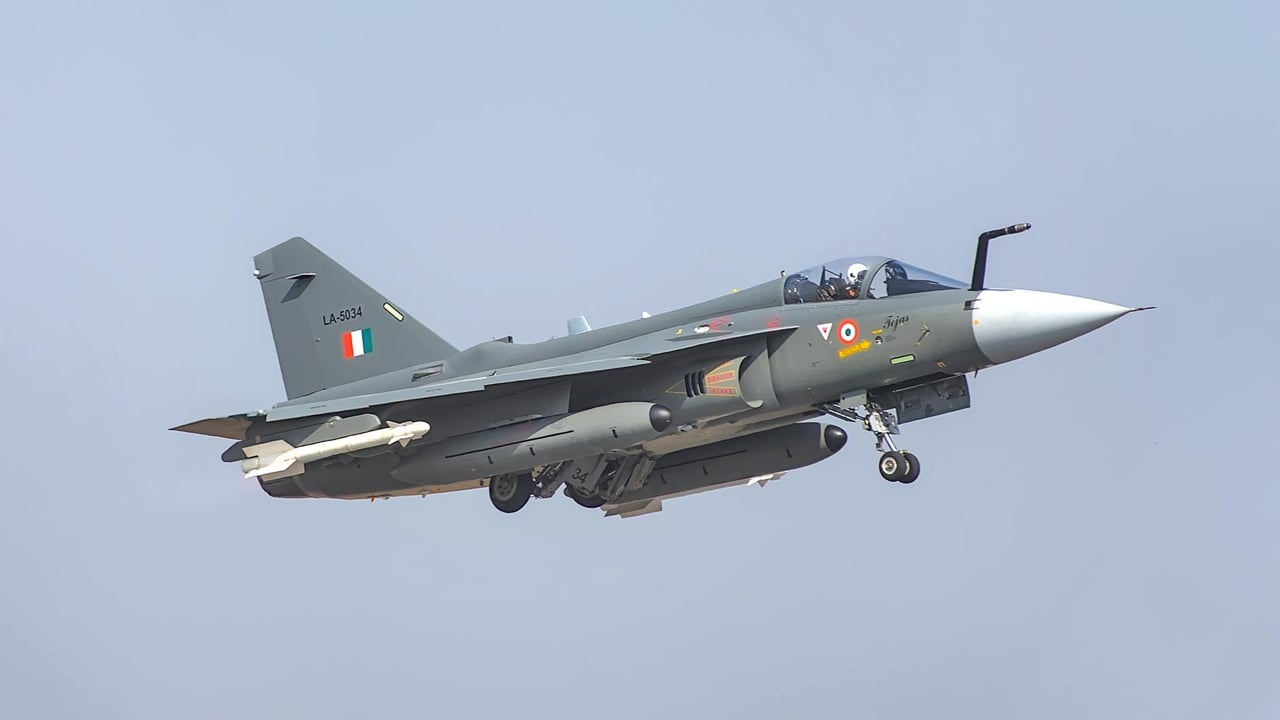
The timing of this acquisition is particularly precarious for India, whose domestic fifth-generation program, the Advanced Medium Combat Aircraft (AMCA), remains years away from operational reality. Estimates suggest the AMCA will not enter service until the mid-2030s, leaving a dangerous 'capability gap' that Islamabad is eager to exploit. This delay has prompted a chorus of concern within Indian defense circles, with retired officials warning that the reliance on indigenous timelines may be a luxury the nation can no longer afford in the face of rapid Chinese-backed modernization next door.
Faced with this emerging reality, New Delhi may be forced to abandon its 'Atmanirbhar Bharat' (Self-Reliant India) purity in the short term to bridge the gap. Speculation is mounting that India might revisit its interest in the Russian Su-57 or even intensify its diplomatic overtures toward the United States for the F-35 Lightning II. The pressure to procure an off-the-shelf solution is mounting as the J-35 transition moves from abstract threat to concrete tactical reality on the subcontinent.
Pakistan’s ambitions are not confined to its border with India; the recent deployment of its air assets to Saudi Arabia for joint exercises demonstrates a desire for broader regional influence. By projecting power into the Gulf and the wider Middle East, Islamabad is signaling its utility as a strategic partner to the Arab world, backed by Chinese high-tech hardware. This regional posturing suggests that the J-35 acquisition is part of a larger strategy to elevate Pakistan’s status beyond a purely reactive neighbor to India.