
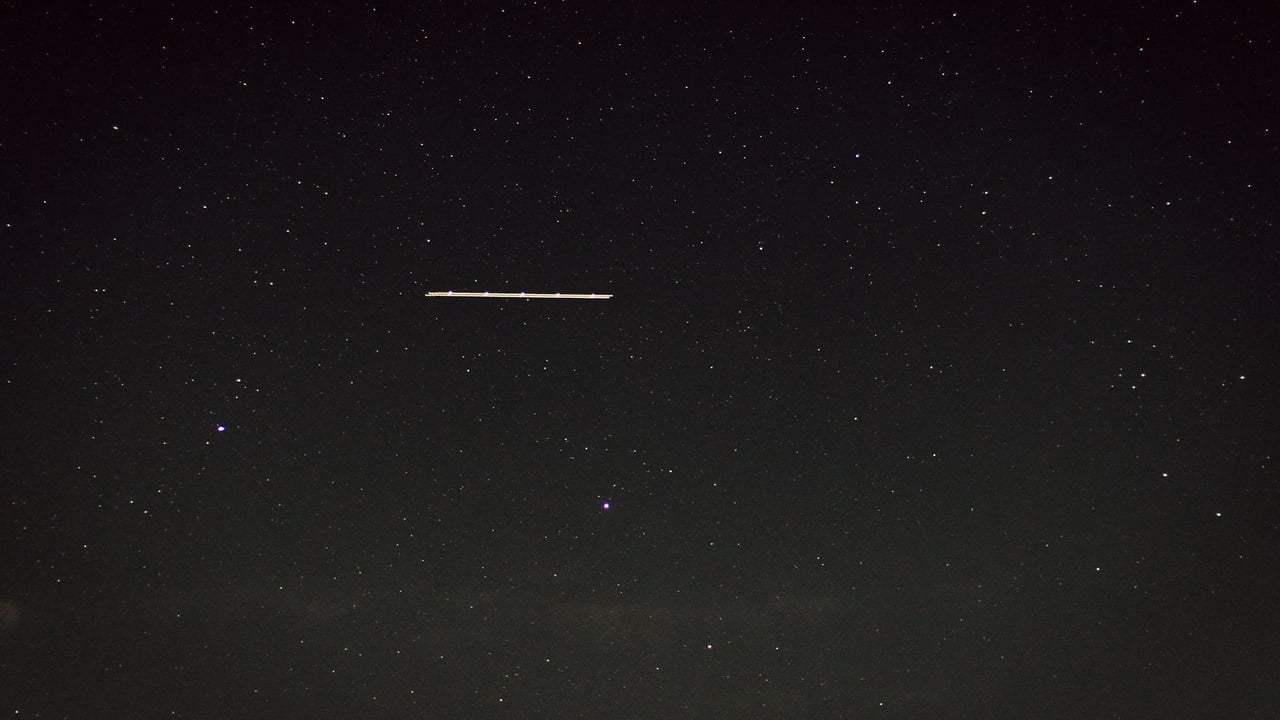

The recent release of over 160 declassified files by the United States Department of Defense has ignited a fresh wave of scrutiny regarding Unidentified Anomalous Phenomena (UAP). Spanning nearly 80 years of records, this disclosure includes high-resolution imagery and flight data that challenge conventional understanding of aerospace physics. Objects described as luminous spheres and irregular octagonal crafts have been documented performing maneuvers that defy current propulsion technology, often within sensitive military airspace across the Middle East and the Indo-Pacific.
While the American public views this through the lens of government transparency, the Chinese media landscape has adopted a more analytical and occasionally skeptical posture. Major outlets have highlighted specific accounts, such as reports of three-to-four-foot-tall entities and the use of AI to enhance historically grainy footage into 4K clarity. However, beneath the sensationalism lies a deeper concern regarding the military implications of these sightings, which are increasingly categorized not as extraterrestrial visits but as potential breaches of national security by advanced, unidentified technologies.
This shift from 'UFO' to 'UAP' reflects a broader institutional change in how the Pentagon manages domestic and international perceptions of its air superiority. By moving the discourse into the public record, the U.S. is signaling a new era of data-driven investigation. This move effectively pressures other global powers, including China and Russia, to reconcile their own secretive aerial observations with an emerging international standard of transparency. The geopolitical stakes are high, as any breakthrough in understanding these phenomena could lead to a generational leap in material science or surveillance capabilities.
In China, the reaction has been a complex mix of fascination and strategic dismissal. While social media platforms are abuzz with theories about alien visitors, state-adjacent commentators have characterized the disclosure as 'reheated cold rice,' suggesting the U.S. may be using these reports to mask secret military projects or to justify increased defense spending. Regardless of the origin of these phenomena, the declassification serves as a potent reminder that the race to dominate the 'final frontier' is no longer just about satellites and rockets, but about identifying and mastering the unknown forces operating in our own atmosphere.