
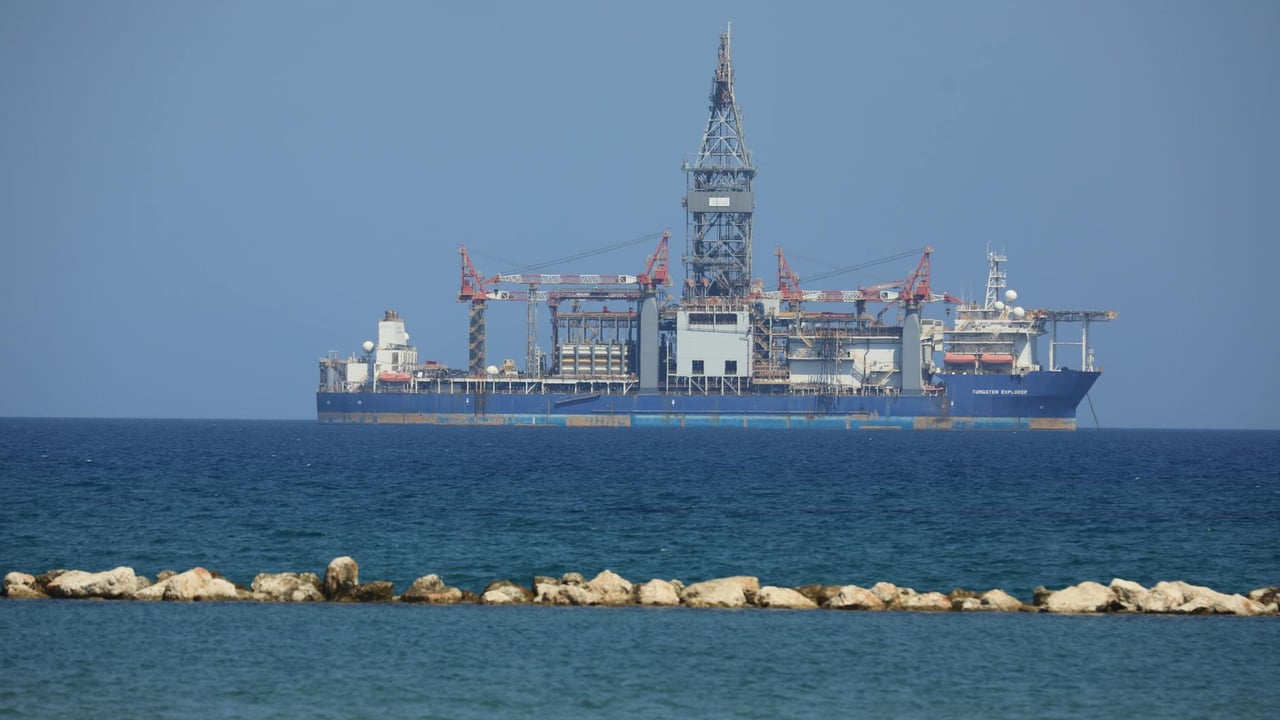

China’s maritime ambitions have reached a new milestone as the 'Ocean Geology No. 26' survey vessel successfully completed sea trials for its advanced subsea drilling and sampling systems. Conducted in the strategically vital South China Sea, the trials validated a suite of domestically developed technologies that are essential for deep-sea geological mapping and resource assessment. This achievement represents a critical leap in Beijing’s ability to conduct complex underwater operations without relying on foreign-engineered platforms.
At the heart of the trial’s success was the ship-based multifunctional downhole sampling system, which performed under challenging Level 3 sea conditions. The vessel’s four-anchor positioning system demonstrated remarkable stability, maintaining a fixed location for 72 continuous hours with a precision of 0.2 meters. Such stability is foundational for the precision required in deep-sea core sampling, where even minor drifts can jeopardize the integrity of the geological data being collected.
The mission also saw the successful deployment of a 'CPT-while-drilling' system, which reached a maximum penetration depth of 130 meters at a water depth of 88 meters. Beyond mere depth, the equipment successfully performed multiple functions, including pore water sampling, sediment recovery, and real-time testing of temperature, pressure, and resistivity. These technical benchmarks exceeded initial project expectations, confirming the reliability of the integrated system in a complex marine environment.
This transition from terrestrial to maritime drilling independence is a cornerstone of China's broader 'Blue Economy' strategy. By mastering the hardware required to analyze the seabed’s composition, China is positioning itself to lead in the discovery and eventual extraction of undersea oil, gas, and mineral hydrates. As the global race for resource security intensifies, the operational maturity of the 'Ocean Geology No. 26' provides Beijing with a sophisticated tool for asserting its presence in contested waters.