A Dangerous Lull: US-Iran Naval Clash in the Persian Gulf Stokes Fears of Renewed Conflict

A direct fire exchange between U.S. and Iranian forces in the Persian Gulf has concluded with a fragile ceasefire after U.S. forces disabled two Iranian tankers. Both nations remain on high alert, with Tehran warning of further retaliation if the U.S. continues its blockade or maritime interference.

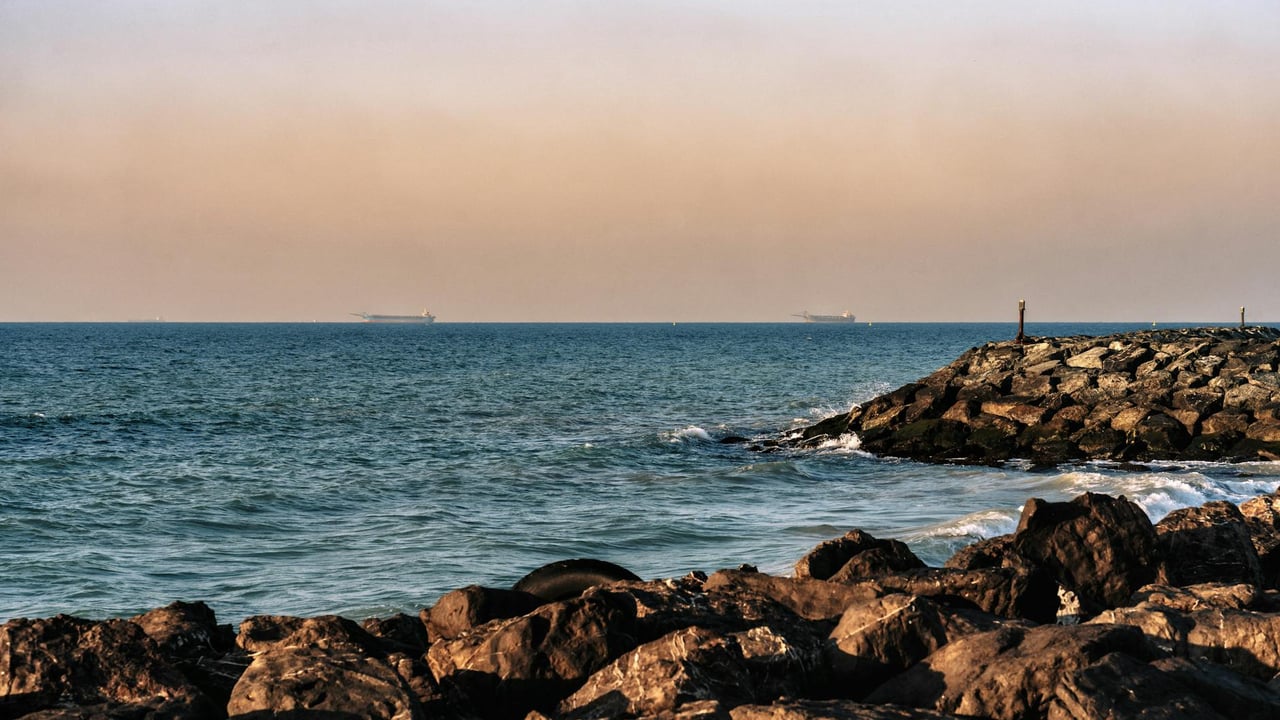
View of rocky shoreline with cargo ships in the distance along Sharjah coast, UAE.

Key Takeaways

  • 1U.S. forces disabled two empty Iranian ultra-large crude carriers attempting to break a blockade.
  • 2Iran responded with direct fire, labeling the U.S. military action as 'terrorism' and a breach of ceasefire protocols.
  • 3The immediate exchange of fire has ended, and the situation is currently described as 'calm' by regional media.
  • 4Iranian military officials have warned of a 'decisive response' if U.S. naval interference in the Persian Gulf continues.
  • 5The incident highlights the extreme volatility of maritime security in the world's most critical oil transit route.

Editor's
Desk

Strategic Analysis

This encounter represents a dangerous shift from proxy skirmishes to direct kinetic engagement between U.S. and Iranian state forces. The Iranian media's use of the term 'terrorism' to describe U.S. blockade enforcement suggests a strategic shift in their legal and rhetorical framework, potentially setting the stage for more aggressive 'retaliatory' strikes in international waters. For the global community, the immediate concern is the 'Tanker War' precedent; if Iran concludes that its commercial and state shipping cannot be protected through diplomatic or asymmetric means, it may pivot toward more frequent direct naval confrontations. The mention of a 'blockade' by U.S. officials is also significant, implying a state of economic and military friction that goes beyond mere sanctions enforcement, effectively putting the Persian Gulf on a war footing.

China Daily Brief Editorial
Strategic Insight
China Daily Brief

A brief but violent exchange of fire between United States and Iranian forces has shattered the precarious quiet of the Persian Gulf, marking a significant escalation in maritime hostilities. While the immediate localized fighting has reportedly ceased, the underlying tensions suggest that this pause is merely a tactical breathing space rather than a return to long-term stability. The incident represents one of the most direct kinetic engagements between the two powers in recent months.

The confrontation began when the U.S. Central Command (CENTCOM) engaged two empty Iranian oil tankers, rendering them non-navigable. American officials characterized the move as a necessary enforcement action against "ultra-large crude carriers" that were attempting to breach an existing blockade and return to Iranian waters. This direct response signifies a significant hardening of Washington's posture toward Iranian maritime maneuvers and sanctions-evasion efforts.

In response, Tehran’s Tasnim News Agency, citing military sources, framed the Iranian counter-fire as a legitimate defense against "terrorist acts" that violated previous ceasefire agreements. The Iranian military warned that any further attempts by the U.S. to interfere with their shipping or persist in their Gulf presence would be met with a "decisive response." The rhetoric from Tehran indicates a refusal to back down despite the technical disablement of their vessels.

This clash revives the specter of the "Tanker Wars," threatening the security of the world’s most vital energy corridor through the Strait of Hormuz. With both sides now operating under hair-trigger conditions, the risk of a miscalculation turning a localized skirmish into a broader regional conflagration remains at its highest point in years. International observers are closely monitoring the region for signs of a renewed buildup of naval assets.

Share Article

Related Articles

📰
No related articles found